

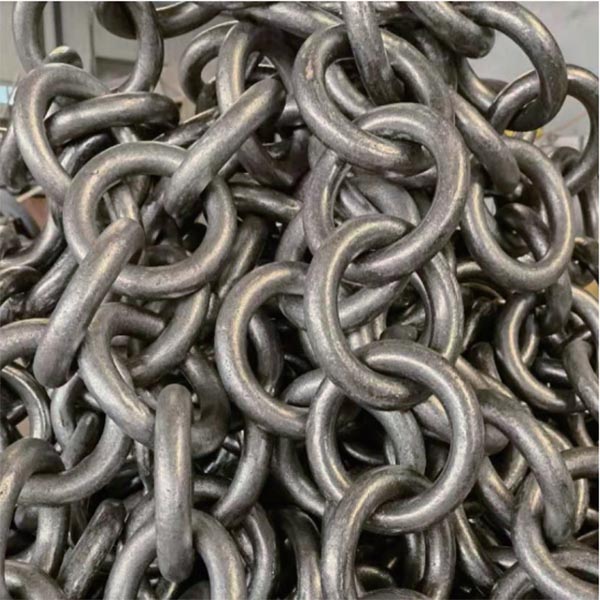
Rotary Kiln Chain
Heat-resistant alloy steel kiln chains for cement plant rotary kilns. Designed for high-temperature heat exchange in the drying and preheating zones. Temperature rating up to 800 C
Rotary Kiln Chain
Material Specifications & Selection Guide
| Grade | Standard | Max Temp | Wire Dia (mm) | Key Feature | Application Zone |
|---|---|---|---|---|---|
| 25Cr2Ni4WA | GB/T 3077 | 800 C | 10-30 | Ni + W alloyed, best heat resistance & strength | Hot zone (600-800 C), gas inlet area |
| 35CrMo | GB/T 3077 | 600 C | 10-26 | Good strength, widely used, cost-effective | Drying zone (400-600 C), mid-kiln |
| 20Mn2 | GB/T 3077 | 450 C | 12-30 | Economical, good wear resistance | Chain curtain (250-450 C), feed end |
| Grade | C (%) | Cr (%) | Ni (%) | Mn (%) | Si (%) | Mo / W | P/S Max |
|---|---|---|---|---|---|---|---|
| 25Cr2Ni4WA | 0.21-0.28 | 1.35-1.65 | 4.00-4.50 | 0.30-0.60 | 0.17-0.37 | W 0.80-1.20 | 0.025 |
| 35CrMo | 0.32-0.40 | 0.80-1.10 | – | 0.40-0.70 | 0.17-0.37 | Mo 0.15-0.25 | 0.025 |
| 20Mn2 | 0.17-0.24 | – | – | 1.40-1.80 | 0.17-0.37 | – | 0.025 |
| Chain Type | Wire Dia (mm) | Link ID (mm) | Link Pitch (mm) | Weight (kg/m) | Surface Area (m2/m) | Application |
|---|---|---|---|---|---|---|
| Round Link (Stud) | 16-30 | 50-90 | 82-150 | 4.0-18.0 | 0.24-0.55 | Heavy heat exchange zones |
| Oval Link | 12-22 | 35-70 | 60-115 | 2.0-10.0 | 0.18-0.42 | Medium heat exchange |
| Open Link (S-Hook) | 10-20 | 30-60 | 50-100 | 1.5-7.0 | 0.14-0.35 | Light duty, easy assembly |
| Cross Bar Chain | 14-25 | 40-80 | 70-130 | 3.0-14.0 | 0.20-0.48 | Maximum surface area |
Selection Quick Reference
- Hot zone / gas inlet area (600-800 C, most aggressive): 25Cr2Ni4WA + stud link chain — Ni+W alloyed steel for maximum hot strength and oxidation resistance, stud link for structural integrity at temperature
- Drying zone / mid-kiln (400-600 C): 35CrMo + oval link chain — standard choice, balances cost and performance for the largest chain curtain section
- Feed end / chain curtain (250-450 C, longest section): 20Mn2 + oval or open link — most economical grade, adequate for cooler temperatures with good wear resistance
- Max heat exchange surface: Cross bar chain provides 15-20% more surface area per meter vs standard oval link, ideal for kilns requiring maximum thermal efficiency
- All chains are electric resistance welded with 100% visual and dimensional inspection. Custom diameters and link geometries available on request
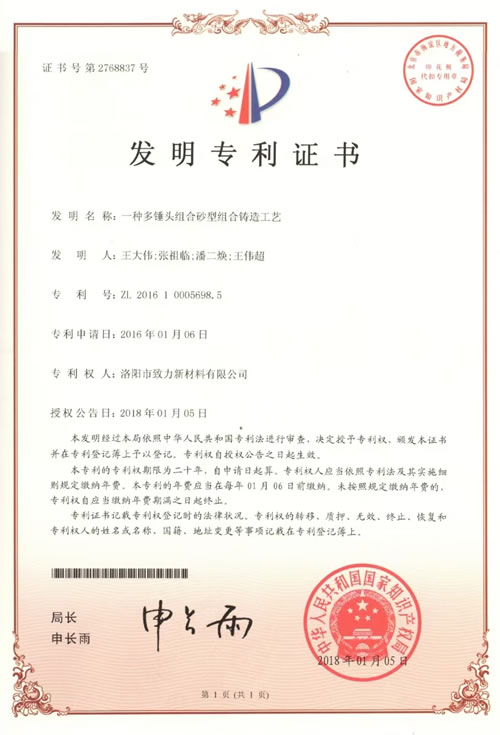
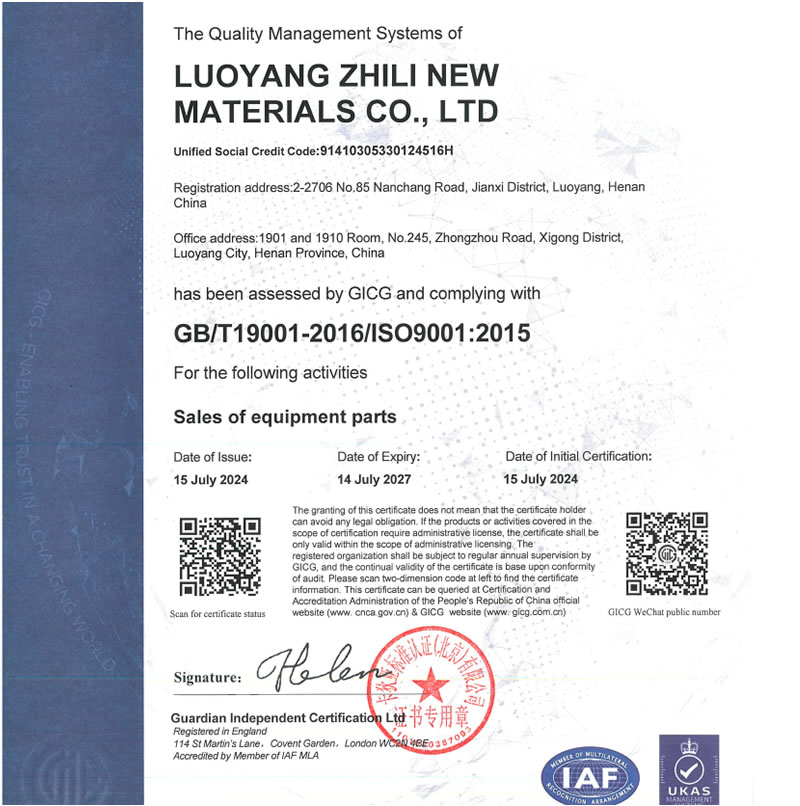
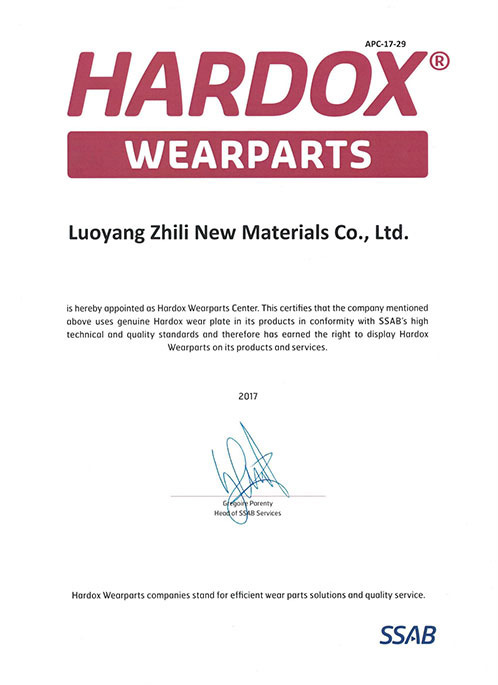
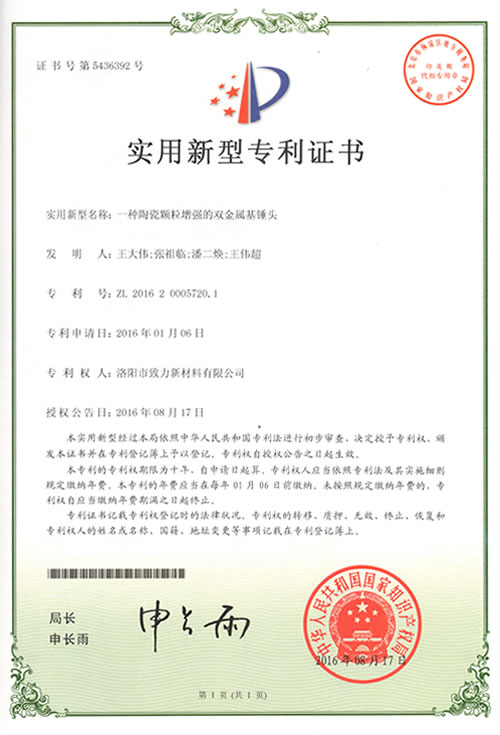
Certifications & Authorizations
Quality you can verify. Partners you can trust.
Custom OEM / ODM
From drawing to delivery — one-stop customization, no minimum order
Send Drawing
Upload your technical drawing (PDF, DWG, STEP, IGES) or share sample photos with dimensions
Engineering Review
Material recommendation, casting process design, DFM analysis — free quotation within 24 hours
Sampling & Test
Prototype production with full inspection: hardness test, spectrometer, dimensional check
Production & Ship
ISO 9001 certified. 15-25 days standard lead time. Global shipping with full documentation
Frequently Asked Questions
Kiln chains are heat exchange devices suspended inside the rotary kiln’s drying and preheating zone. They serve three critical functions that directly impact kiln production capacity and fuel consumption:
- Heat transfer from gas to material: Chains absorb heat from hot exhaust gases (600-800 C) and transfer it to wet raw meal as they rotate through the material bed. This convection-to-conduction heat transfer is 5-8x more efficient than radiation alone.
- Material lifting and curtain formation: As the kiln rotates, chains lift raw meal and cascade it through the gas stream, creating a dense material curtain. This increases gas-material contact surface area by 3-5x compared to an empty kiln.
- Material transport and mixing: Chains break up wet material agglomerations and prevent mud-ring formation on the kiln wall, ensuring uniform material flow into the preheating zone.
Key metric: A properly designed chain system can reduce kiln exhaust gas temperature by 150-250 C and lower specific fuel consumption by 5-12%. This makes chain system design one of the highest-ROI investments in kiln optimization.
Kiln chains wear from three simultaneous mechanisms: oxidation (metal loss), abrasion (material grinding), and mechanical fatigue (bending cycles). Regular inspection and measurement are essential for planning replacement before chain failure causes kiln stoppage:
Inspection method:
- Wire diameter measurement (monthly): Use a caliper to measure chain link wire diameter at 3 points per link (top, middle, bottom of kiln position). Replace individual links when wire diameter drops below 60% of original.
- Link elongation (quarterly): Measure link pitch (center-to-center of adjacent links). Elongation >10% indicates material yielding. Replace the entire chain section if >15% of links show excessive elongation.
- Weld cracking (monthly): Visual inspection of each weld. Any cracked weld requires immediate link replacement. A broken chain can wrap around the kiln shell and cause severe damage.
- Chain hanger inspection (monthly): Check hanger brackets for cracking or looseness. A failed hanger allows the entire chain curtain to drop into the kiln.
Chain density — measured in square meters of chain surface per meter of kiln length — is the single most important design parameter. Too little chain = poor heat exchange and high exhaust temperature. Too much chain = excessive pressure drop and fan power consumption:
Installation guidelines:
- Spiral curtain pattern: Install chains in a continuous spiral pattern (not rings) to ensure even lifting and cascading throughout the kiln rotation. Each chain hanger is typically spaced 200-300 mm axially and 300-500 mm circumferentially.
- Hot end (first 20-30% of chain section): Lower density (12-16 m2/m) using heavier stud-link chains (16-22 mm) in 25Cr2Ni4WA. Chains here are primarily for gas-material heat transfer, not material lifting.
- Feed end (last 30-40%): Highest density (20-28 m2/m) using lighter oval-link chains (12-16 mm) in 20Mn2. Maximum curtain density for final moisture removal and material preheating.
- Chain length: Chains should hang to approximately 60-70% of kiln diameter. Longer chains risk tangling; shorter chains provide insufficient curtain coverage.
Pro tip: Mix chain diameters within each zone. Use 70% standard diameter and 30% one size smaller. The smaller chains fill gaps in the curtain, increasing effective surface area by 8-12% without additional pressure drop.
Related Products
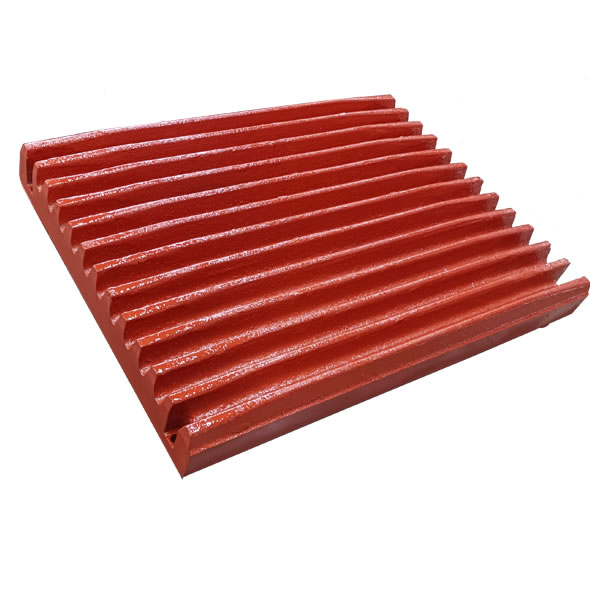
Jaw Plate
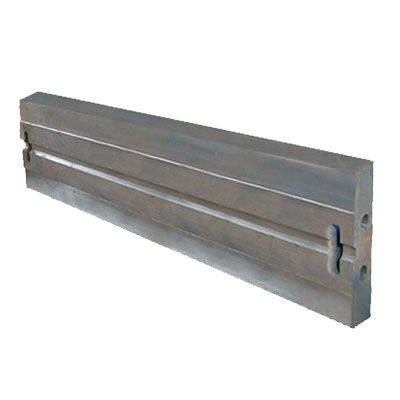
Blow Bar
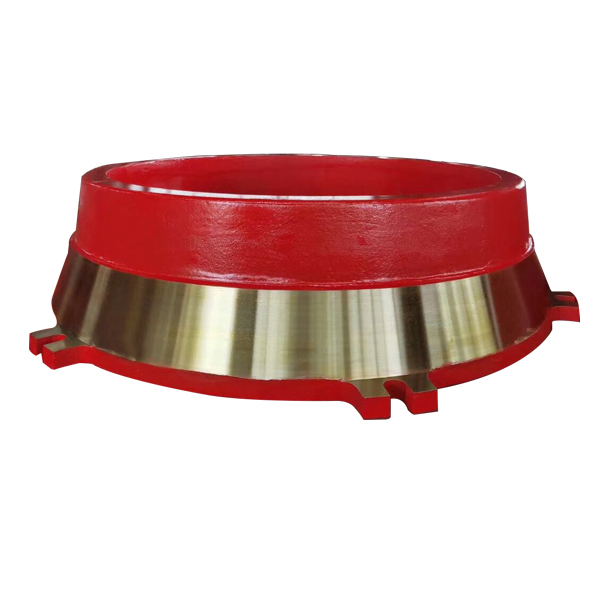
Mantle & Concave
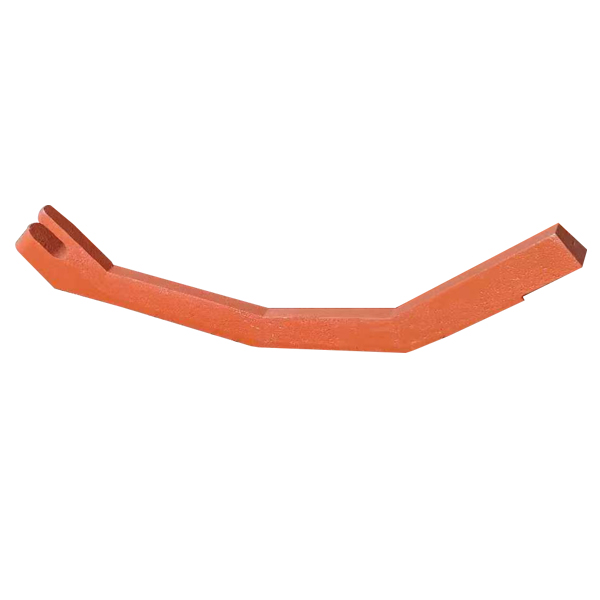
Grate Bar
Contact Us
Get a quote within 24 hours. Send us your inquiry today.

+86 199 8785 7268
Mon-Sat 8AM-10PM CST Scan to chat — English, Spanish, Chinese Send photos of worn parts for instant quote

+86 199 8785 7268
Scan to follow — factory updates and quotes Chat in Chinese or English