

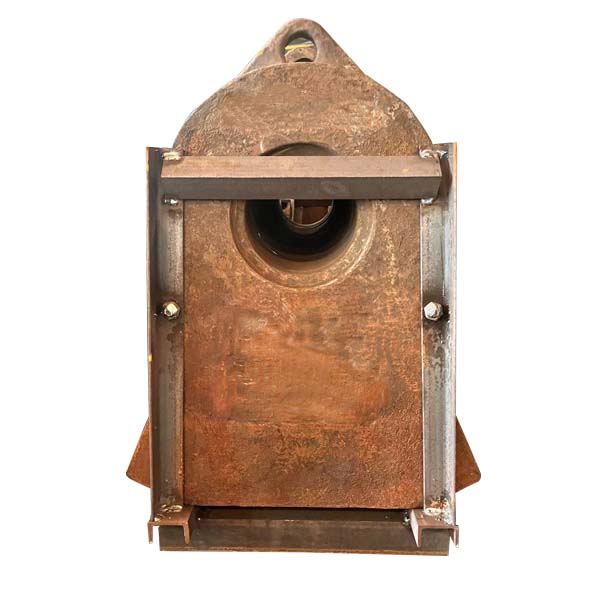
Metal Crusher Hammer
Scrap Metal Shredder / Hammermill Crusher Hammer — For Car Shell / Scrap Steel / Scrap Iron / Aluminum — Mn18Cr2 / Mn22Cr2 / ZG-Mn13CrMo / Alloy Steel with Hardfacing
Metal Crusher Hammer / Metal Shredder Hammer
Material Specifications & Selection Guide
| Grade | Material | Hardness | Toughness | Life Factor | Application |
|---|---|---|---|---|---|
| Cr20 | Cr18-22% + C2.4-3.2% | 58-62 HRC | 5-8 J/cm2 | 1.0x | Light scrap (aluminum, copper) |
| Cr26 | Cr23-28% + C2.3-3.0% | 58-63 HRC | 6-9 J/cm2 | 1.3-1.5x | Mixed scrap (steel + aluminum) |
| Cr27Mo2 | Cr26-28% + Mo1.5-2.5% | 60-65 HRC | 7-10 J/cm2 | 1.6-2.0x | Heavy steel scrap, auto bodies |
| Martensitic Steel | Cr-Mo-V + C0.5-0.8% | 52-58 HRC | 15-25 J/cm2 | 1.2-1.5x | Steel scrap with tramp metal risk |
| Ceramic Composite | Cr26 Matrix + TiC/WC Inserts | 60-68 HRC (Tip) | 8-12 J/cm2 | 2.5-3.5x | Heavy-duty, max. abrasion wear |
| Hammer Type | Weight (kg) | Length x Width x Thick (mm) | Bolt Hole (mm) | Hole Spacing (mm) | Striking Face |
|---|---|---|---|---|---|
| Small Block | 10-25 | 200-280 x 120-160 x 60-90 | phi28-36 | 100-140 | Flat / Serrated |
| Medium Block | 30-60 | 280-400 x 160-220 x 80-120 | phi36-48 | 140-200 | Flat / Wedge / Grooved |
| Large Block | 70-120 | 400-550 x 200-280 x 110-160 | phi48-60 | 180-260 | Wedge / Multi-face |
| Extra Large | 130-200 | 550-700 x 260-350 x 150-200 | phi60-80 | 240-340 | Multi-face / Reversible |
| Custom | Per Drawing | Per OEM Spec | Per Spec | Per Spec | Full custom profile |
| Shredder Model | Rotor Dia. x Width | Hammer Type | Weight/Hammer (kg) | Rec. Material | OEM Ref. |
|---|---|---|---|---|---|
| Lindemann ZM 850 | 850×850 | Small Block | 12-20 | Cr20 / Cr26 | Metso Lindemann |
| Lindemann ZM 1200 | 1200×1200 | Medium Block | 35-55 | Cr26 / Martensitic | Metso Lindemann |
| Metso Texas Shredder 60120 | 1520×3050 | Large Block | 80-120 | Cr27Mo2 / Ceramic | Metso / Texas Shredder |
| Metso Texas Shredder 80120 | 2030×3050 | Extra Large | 130-200 | Cr27Mo2 / Ceramic | Metso / Texas Shredder |
| BHS Rotary Shear | Custom | Medium Block | 30-50 | Cr26 | BHS-Sonthofen |
| Vecoplan VAZ | 800-1600 | Small/Medium | 10-40 | Cr20 / Cr26 | Vecoplan |
| JMC / SHREDWELL | Custom | Per Drawing | 15-150 | Cr26 / Cr27Mo2 | China SHREDWELL |
Selection Quick Reference
- Light scrap (aluminum cans, copper wire, electronic scrap): Cr20 hammers with flat striking face — cost-effective for soft, non-ferrous metal where impact loads are low. Hardness 58-62 HRC provides 2,000-4,000 hour life. Replace when striking face wears 25% of original thickness
- Mixed scrap (steel + aluminum, auto shredder residue): Cr26 or Cr27Mo2 hammers with serrated/grooved face — molybdenum addition improves thermal fatigue resistance from repeated impact heating. Life 1,500-3,000 hours depending on contamination level (dirt, sand, rust accelerate wear)
- Heavy steel scrap (auto bodies, white goods, demolition steel): Cr27Mo2 with wedge or multi-face design — highest chromium + molybdenum for maximum wear resistance. Multi-face design allows 180-degree rotation to use both sides. Tramp metal (shafts, gears, tool steel) causes localised impact damage — inspect weekly
- Tramp metal risk (shredders processing un-sorted material): Martensitic steel hammers — lower hardness (52-58 HRC) but 2-3x higher impact toughness (15-25 J/cm2). These hammers deform plastically under impact rather than shattering — safer for operators and shredder internals. Life is 30-40% shorter than Cr27Mo2 but zero risk of catastrophic fracture
- Maximum wear life (24/7 operations, premium cost): Ceramic composite hammers with TiC/WC inserts cast into the striking face — 2.5-3.5x life vs Cr27Mo2. The ceramic-matrix bond is immune to micro-ploughing wear from abrasive dirt and rust contamination. Payback within 6-12 months when standard hammers last<1,000 hours. ZHILI custom-engineers insert size, shape, and placement per your wear pattern data
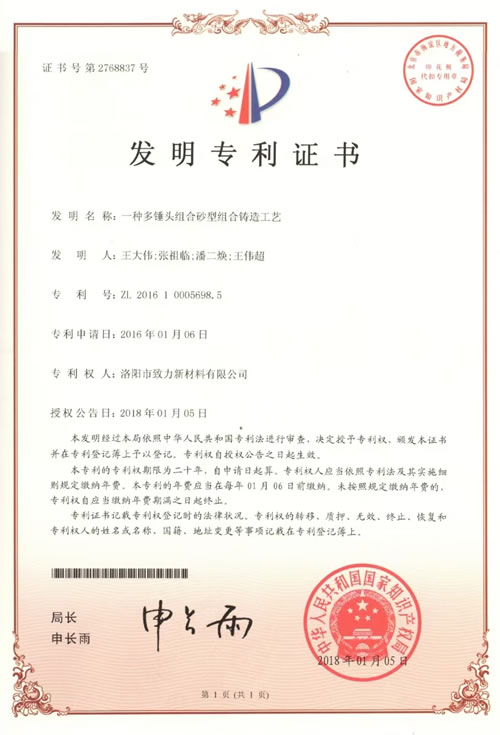
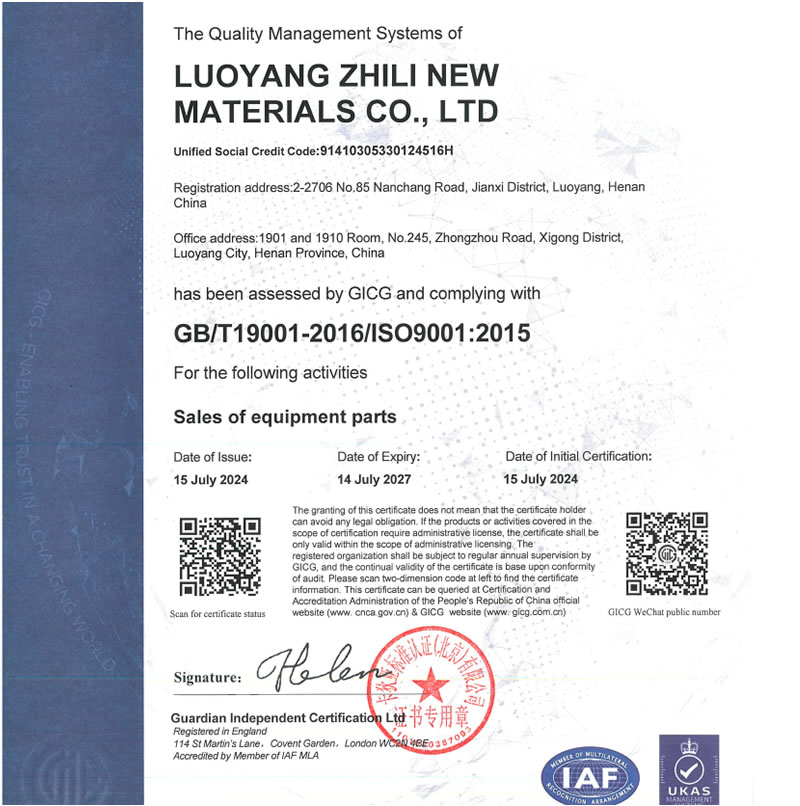
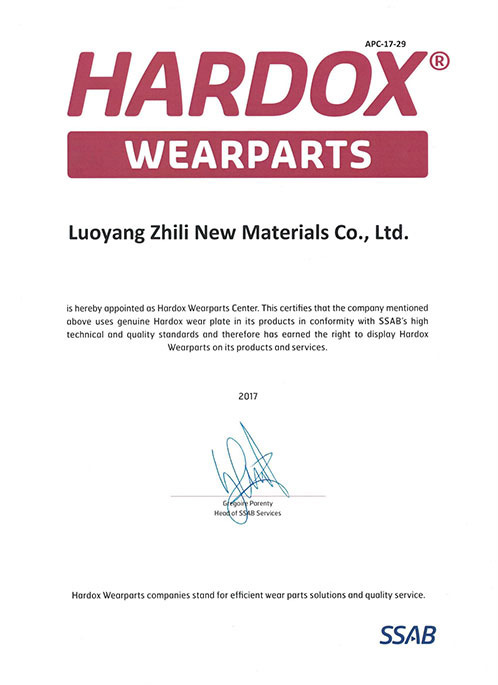
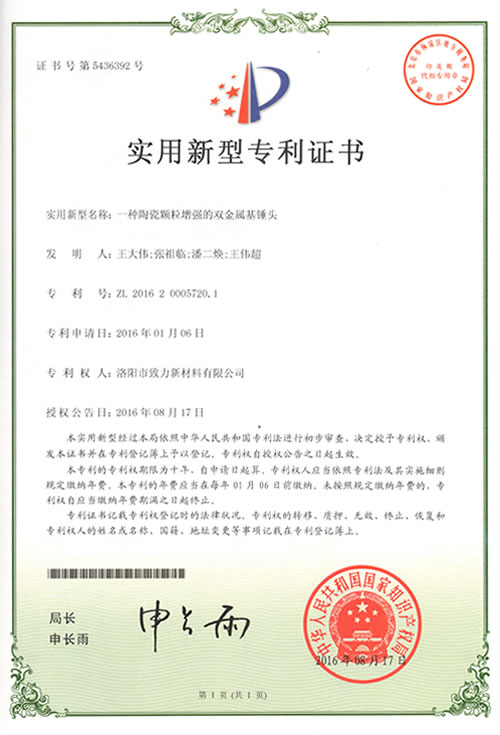
Certifications & Authorizations
Quality you can verify. Partners you can trust.
Custom OEM / ODM
From drawing to delivery — one-stop customization, no minimum order
Send Drawing
Upload your technical drawing (PDF, DWG, STEP, IGES) or share sample photos with dimensions
Engineering Review
Material recommendation, casting process design, DFM analysis — free quotation within 24 hours
Sampling & Test
Prototype production with full inspection: hardness test, spectrometer, dimensional check
Production & Ship
ISO 9001 certified. 15-25 days standard lead time. Global shipping with full documentation
Frequently Asked Questions
Quick answers to common questions about our metal shredder hammers
Metal shredder hammers face the most unpredictable wear environment in crushing — scrap metal contains everything from soft aluminum to hardened tool steel, plus abrasive dirt and rust. Material choice must balance hardness, toughness, and thermal fatigue resistance:
- Cr20/Cr26 high chrome (most common, 70% of shredder hammers): Standard choice for shredders processing known, consistent scrap streams. The 58-63 HRC through-hardness resists gouging from steel scrap impact and abrasion from dirt/rust contamination. Cr26 (23-28% Cr) offers 1.3-1.5x life over Cr20 (18-22% Cr) because higher chromium increases carbide volume fraction (25-33% vs. 22-30%). Use Cr26 when scrap contains >20% steel or when feed is moderately contaminated with abrasive dirt.
- Cr27Mo2 (moly-enhanced high chrome, for heavy duty): Addition of 1.5-2.5% molybdenum to Cr26 matrix dramatically improves thermal fatigue resistance. Metal shredder hammers heat to 300-500 C at the striking face from repeated impact — each strike generates localized frictional heating that creates micro-cracks in standard chrome. Mo suppresses carbide coarsening at elevated temperature and improves hot hardness. Cr27Mo2 life is 1.6-2.0x Cr26 in auto shredder applications processing 20+ tons/hour.
- Martensitic steel (tramp metal insurance): When processing un-sorted demolition scrap containing axles, crankshafts, bearing races, and other hardened steel, high chrome hammers risk catastrophic fracture from a single oversize-hard-particle impact. Martensitic steel (52-58 HRC, 15-25 J/cm2 impact toughness vs. 7-10 J/cm2 for Cr27Mo2) deforms plastically — the hammer dents and mushrooms rather than shattering. This protects the shredder rotor, housing, and most critically, operators from flying fragments. Life is 30-40% shorter than Cr27Mo2 but zero-shatter safety justifies the cost in high-tramp-metal scrap.
- Ceramic composite (premium, maximum life): TiC or WC ceramic inserts cast into the Cr26 matrix at the striking face create a composite that is soft-tough in the body and ultra-hard at the wear surface. Ceramic particles (2,800-3,200 HV micro-hardness vs. 800-900 HV for Cr carbides) are immune to micro-ploughing — the primary wear mechanism in abrasive-contaminated scrap. Life is 2.5-3.5x Cr27Mo2, but per-hammer cost is 80-120% higher. Payback requires >1,500 hours of continuous operation or downtime cost >$2,000/hour.
Quick decision framework: If your hammer life is <500 hours → use martensitic (something is breaking them). If life is 500-1,500 hours with consistent scrap → Cr26 is cost-optimal. If life is 1,500-2,500 hours → Cr27Mo2 for thermal fatigue resistance. If life is >2,500 hours but you want to push to 5,000+ → ceramic composite. Send ZHILI a set of your worn hammers — our metallurgists analyse the wear pattern and recommend the optimal upgrade.
Hammer failure is never random. Each failure mode has a specific root cause and a specific prevention strategy. Understanding the difference saves thousands in unplanned downtime:
- Catastrophic fracture (most dangerous, least common): A hammer breaks into 2+ pieces from a single impact with an un-crushable object — typically a hardened steel shaft, bearing race, or thick plate >30 mm. The hammer shatters because its impact toughness is exceeded at the stress concentration point (bolt hole edge or section change). Prevention: (a) sort feed better — remove axles, shafts, and bearing assemblies before shredding; (b) use martensitic steel hammers if sorting is impractical — they deform, not shatter; (c) inspect bolt hole edges for micro-cracks every 200 hours — dye penetrant reveals cracks >2 mm before they propagate to failure. A crack reaching 10 mm means the hammer must be replaced immediately.
- Accelerated abrasive wear (most common, costs the most): Hammer striking face wears 2-3x faster than expected because scrap is contaminated with silica sand, rust scale, and foundry sand. These abrasive particles are harder than the chrome carbide matrix (SiO2 >900 HV vs. Cr7C3 carbide 1,300-1,600 HV) — they micro-plough the softer metallic matrix between carbides, undermining the carbides which then fall out. Prevention: (a) use Cr27Mo2 for its finer, more uniform carbide distribution; (b) upgrade to ceramic composite (TiC/WC inserts) where abrasion is dominant; (c) reduce scrap contamination — a 1% reduction in dirt content extends hammer life 5-8% (non-linear because dirt concentrates at wear surfaces).
- Bolt hole elongation (insidious, progressive): When hammer mounting bolts loosen by even 0.05 mm, the hammer rocks under impact. This micro-motion hammers (literally) the bolt against the hole edge, elongating the hole. A 36 mm hole becomes 38 mm, then 40 mm, then the bolt shears and the hammer flies off. Prevention: (a) torque bolts to specification with calibrated torque wrench — never impact gun for final tightening; (b) use Nord-Lock washers — physically cannot loosen under vibration; (c) re-torque after first 8 hours and every 200 hours thereafter; (d) measure bolt hole diameter with a go/no-go gauge every hammer change — replace hammers when hole elongation exceeds 1 mm.
- Thermal fatigue cracking (high-production shredders): Repeated impact heating (300-500 C at striking face) followed by air cooling creates thermal expansion/contraction cycles. After 5,000-10,000 cycles, a network of fine surface cracks appears — these are normal and not dangerous if <5 mm deep. But if cracks deepen and connect, pieces of the striking face spall off. Prevention: (a) use Cr27Mo2 — molybdenum dramatically improves thermal fatigue resistance; (b) maintain consistent feed rate — stop-start operation creates the worst thermal cycling; (c) water spray cooling on the rotor (if available) reduces peak surface temperature by 100-200 C, extending thermal fatigue life 3-5x.
Inspection protocol: Every 200 hours: (1) check bolt torque with torque wrench — any bolt accepting >10 degrees rotation is loose; (2) dye penetrant inspect bolt holes for cracks >2 mm; (3) measure striking face wear with depth gauge — >25% of original thickness remaining is acceptable; (4) inspect for thermal crack network — <5 mm cracks are normal, >10 mm cracks require hammer replacement.
Metal shredder hammer changes are high-risk, high-cost maintenance events. A rotor spinning at 600-900 RPM with 8-16 hammers weighing 50-200 kg each demands absolute precision in installation and rotation strategy:
- Hammer rotation strategy (doubles life, zero cost): Most metal shredder hammers are designed with 180-degree symmetry — rotate each hammer end-to-end every 800-1,200 hours so the trailing end becomes the leading end. The leading edge wears 2-3x faster. All 8-16 hammers on the rotor must be rotated together to maintain balance. After rotation, re-torque all bolts and run the rotor at low speed (100-200 RPM) for 5 minutes to verify balance before going to full speed. A 50 kg hammer imbalance at 600 RPM generates 20,000 N of centrifugal force — enough to destroy bearings and bend the rotor shaft.
- Hammer weight matching (critical for balance): All hammers on one rotor must be within ±0.5% weight of each other. For 100 kg hammers, that is ±0.5 kg. Weigh each hammer individually on a calibrated scale before installation. Group hammers by weight and install the heaviest and lightest opposite each other on the rotor. If a replacement hammer is lighter than the set, add balance weight to the light hammer (bolt-on counterweight or weld deposit on the non-wearing surface). Never install a hammer set with >1% weight spread — it will shake the shredder apart within weeks.
- Bolt installation (non-negotiable procedure): Use only new, matched-batch grade 12.9 bolts every hammer change — used bolts have reduced preload capacity and micro-cracks from prior service. Clean bolt holes and threads with solvent — no grease, oil, or debris. Apply nickel-based anti-seize (never copper-based on Cr steel — it causes hydrogen embrittlement) to bolt threads only. Tighten in two stages: 50% torque in a cross-pattern, then 100% torque. Use a calibrated hydraulic torque wrench — impact guns are not accurate enough for 1,800-2,200 Nm. Mark each bolt head with a paint stripe across the bolt-to-hammer interface — this provides instant visual confirmation of loosening (broken paint stripe = moved bolt).
- Re-torque schedule (do not skip): After initial installation, run 8 hours, stop, and re-torque all bolts to specification. New hammers bed into the rotor mounting surface during initial operation, relaxing bolt preload by 15-25%. A second re-torque at 200 hours catches any further relaxation. After that, check bolt torque every 200 hours — any bolt accepting >5-degree rotation is loosening and must be re-torqued to full specification. One loose bolt in a 12-hammer set creates a cascade failure — it overloads adjacent bolts, they loosen in sequence, and the entire hammer set becomes unstable within 50-100 hours.
Safety protocol (life-critical): A 150 kg hammer flying off a rotor at 700 RPM exits the shredder housing at >200 km/h. Before every hammer change: (1) lock out and tag out all power sources; (2) mechanically secure the rotor against rotation with a rotor lock pin; (3) never stand in the plane of rotation during start-up after a hammer change; (4) use a remote camera or vibration monitoring during the first 30 minutes of operation — stop immediately if vibration exceeds 5 mm/s RMS. ZHILI supplies matched-weight hammer sets with pre-installed bolt holes and certified weight documentation — eliminating the most common source of imbalance-related failures.
Related Products
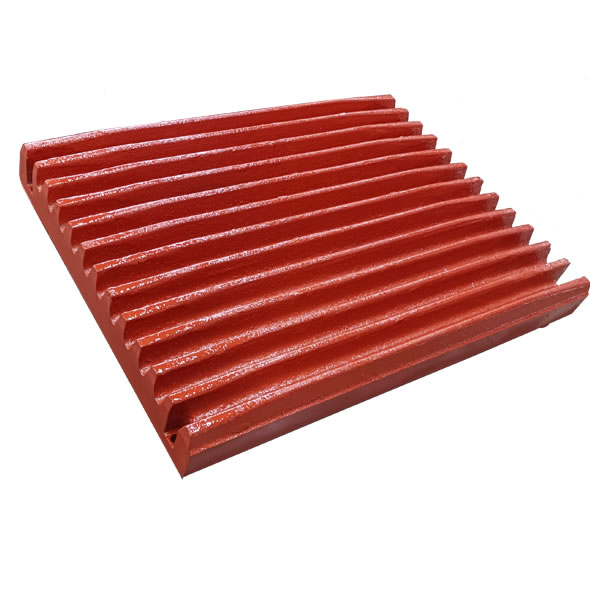
Jaw Plate
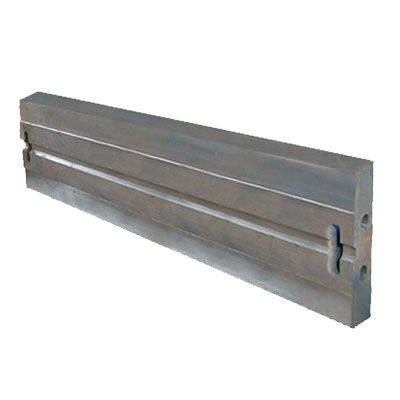
Blow Bar
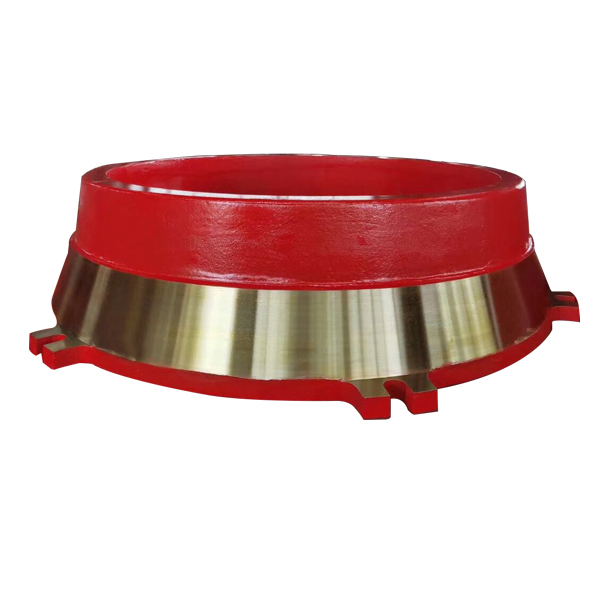
Mantle & Concave
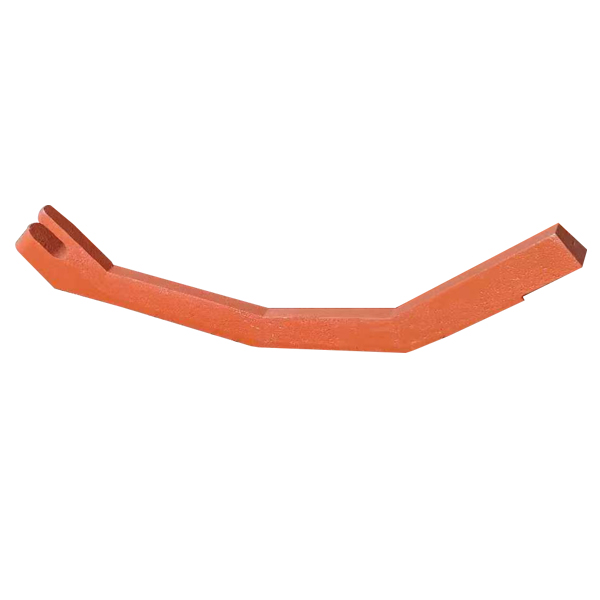
Grate Bar
Contact Us
Get a quote within 24 hours. Send us your inquiry today.

+86 199 8785 7268
Mon-Sat 8AM-10PM CST Scan to chat — English, Spanish, Chinese Send photos of worn parts for instant quote

+86 199 8785 7268
Scan to follow — factory updates and quotes Chat in Chinese or English