

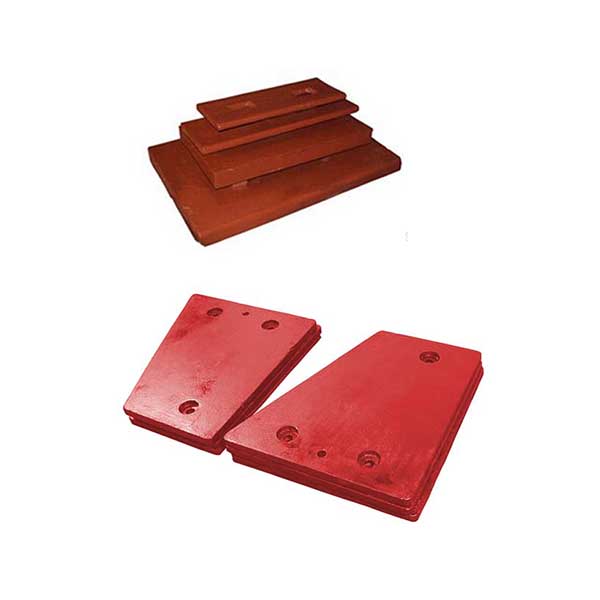
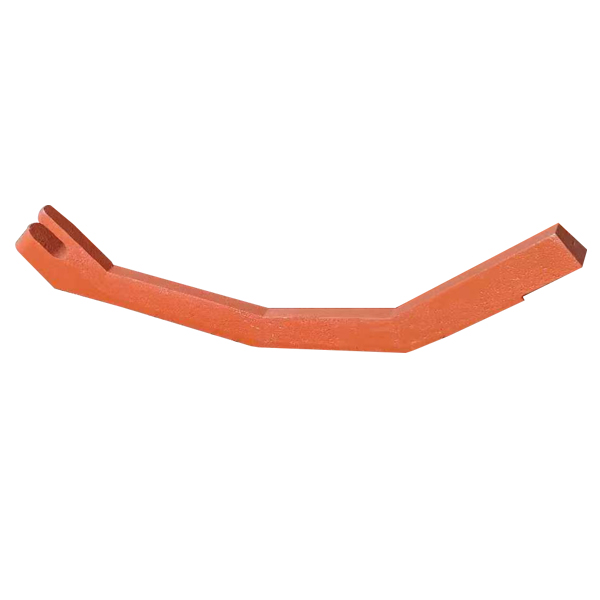
Jaw Crusher Cheek Plate / Toggle Plate
Jaw Crusher Frame Protection & Safety Components — Cheek Plate / Toggle Plate / Wedge / Pull Rod Spring — Mn13 / ZGMn13 / QT500-7 / HT200
Jaw Crusher Cheek Plate / Toggle Plate
Material Specifications & Selection Guide
| Part | Grade | Material | Hardness (HB) | Tensile (MPa) | Application |
|---|---|---|---|---|---|
| Cheek Plate | Mn13 | Mn12-14% + C1.0-1.4% | 200-220 / 450-550 WH | 735 | Standard jaw side liners |
| Cheek Plate | Mn13Cr2 | Mn12-14% + Cr1.5-2.5% | 210-230 / 500-600 WH | 800 | Abrasive ore, extended life |
| Cheek Plate | Mn18Cr2 | Mn17-19% + Cr2.0-3.0% | 220-240 / 550-650 WH | 850 | Hard rock, heavy impact |
| Toggle Plate | ZG270-500 | Cast Carbon Steel | 150-190 | 500 | Standard safety toggle |
| Toggle Plate | ZG310-570 | Cast Carbon Steel | 160-210 | 570 | Heavy-duty safety toggle |
| Part | Crusher Size | Length x Width (mm) | Thickness (mm) | Bolt Holes | Weight (kg) |
|---|---|---|---|---|---|
| Cheek Plate | PE250x400 | 550-650 x 250-300 | 20-30 | 4x M20 | 25-40 |
| Cheek Plate | PE400x600 | 800-950 x 300-380 | 25-40 | 4-6x M24 | 55-90 |
| Cheek Plate | PE600x900 | 1100-1300 x 380-450 | 30-50 | 6x M24-M30 | 120-190 |
| Cheek Plate | PE900x1200 | 1500-1700 x 450-550 | 40-60 | 6-8x M30 | 250-400 |
| Toggle Plate | PE250-900 | 400-900 x 150-300 | 30-60 | — | 15-80 |
| Toggle Plate | PE900-1200 | 900-1400 x 250-400 | 50-80 | — | 80-200 |
| Crusher Model | Feed Opening (mm) | Cheek Plate Material | Toggle Plate Material | Toggle Length (mm) | OEM Ref. |
|---|---|---|---|---|---|
| PE250x400 | 250×400 | Mn13 | ZG270-500 | 400-500 | Metso C63 / Sandvik CJ408 |
| PE400x600 | 400×600 | Mn13 / Mn13Cr2 | ZG270-500 | 600-750 | Metso C80 / Sandvik CJ409 |
| PE500x750 | 500×750 | Mn13Cr2 | ZG270-500 | 750-900 | Metso C96 / Sandvik CJ411 |
| PE600x900 | 600×900 | Mn13Cr2 | ZG270-500 / ZG310 | 900-1100 | Metso C100 / Sandvik CJ412 |
| PE750x1060 | 750×1060 | Mn13Cr2 / Mn18Cr2 | ZG310-570 | 1100-1300 | Metso C110 / Sandvik CJ613 |
| PE900x1200 | 900×1200 | Mn18Cr2 | ZG310-570 | 1300-1550 | Metso C125 / Sandvik CJ615 |
| PE1200x1500 | 1200×1500 | Mn18Cr2 | ZG310-570 | 1550-1800 | Metso C150 / Sandvik CJ815 |
Selection Quick Reference
- Cheek plates (side liners) — Mn13 standard: Protect the crusher frame sides from abrasive wear. Mn13 work-hardens from 200 HB to 450-550 HB under the constant sliding and scuffing action of crushed material. Cheek plates bolt directly to the crusher frame walls — bolt hole pattern must match OEM exactly. Expected life: 6-18 months depending on ore abrasiveness
- Cheek plates — Mn13Cr2 / Mn18Cr2 upgrade: For abrasive ores (quartz, granite, iron ore), chromium-enhanced Mn13Cr2 extends life 1.2-1.5x. Mn18Cr2 for hard rock primary crushing where impact energy is highest. The Cr addition delays the onset of abrasive wear by forming harder work-hardened layers. Cost premium 15-25% over Mn13, justified when standard cheek plates last <9 months
- Toggle plates (safety device) — ZG270-500 standard: The toggle plate is a deliberate weak point in the crusher drive train. It is designed to break at 120-150% of rated crushing force, protecting the eccentric shaft, bearings, and crusher frame from overload damage during uncrushable object events. ZG270-500 cast steel with a machined necked-down section provides predictable break force. Never substitute a higher-strength toggle plate — it defeats the safety function
- Toggle plates — ZG310-570 heavy duty: For PE900+ crushers processing consistently hard material, ZG310-570 provides a 15-20% higher break threshold while maintaining controlled fracture at the necked section. The neck geometry (depth and radius) is calibrated to each crusher model’s rated force — ZHILI reproduces exact OEM neck dimensions from original drawings or reverse engineering
- Custom OEM service: Both cheek plates and toggle plates are reverse-engineered from your existing parts or OEM drawings. Cheek plate bolt-hole patterns, edge chamfers, and surface profiling matched to 1:1 precision. Toggle plate neck geometry, overall length, and end radius are critical dimensions — ZHILI verifies with CMM (Coordinate Measuring Machine) before shipment. Delivery 15-20 days
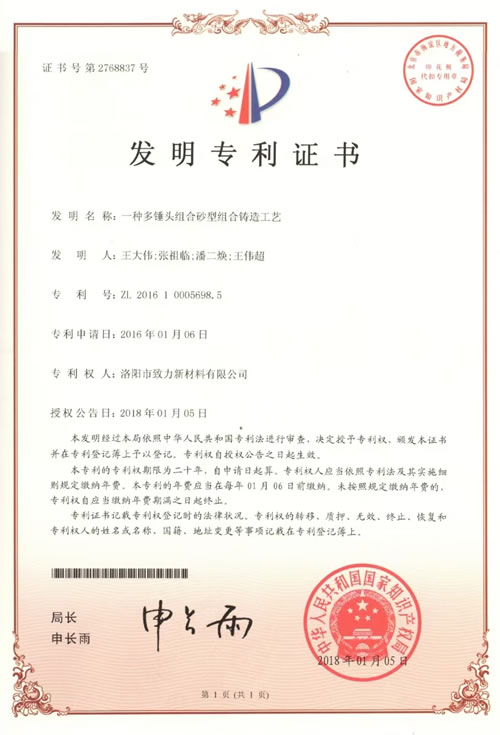
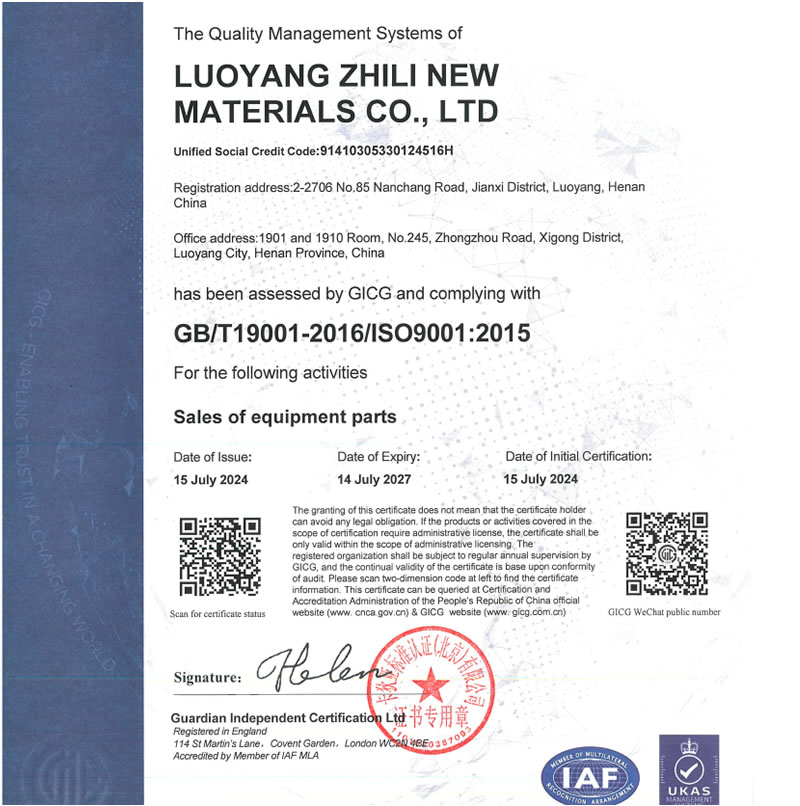
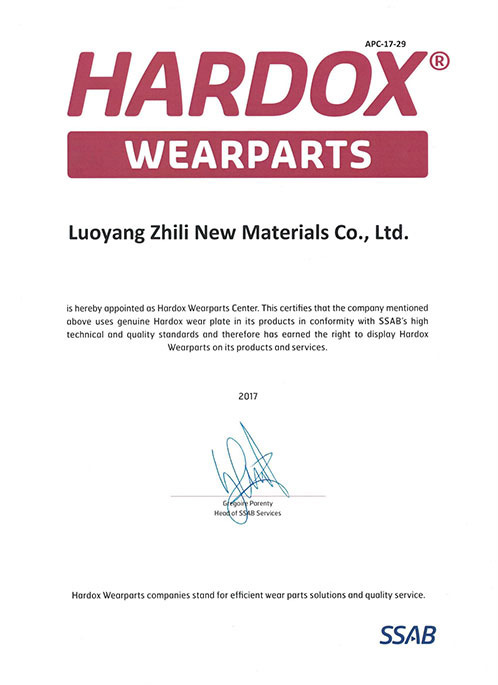
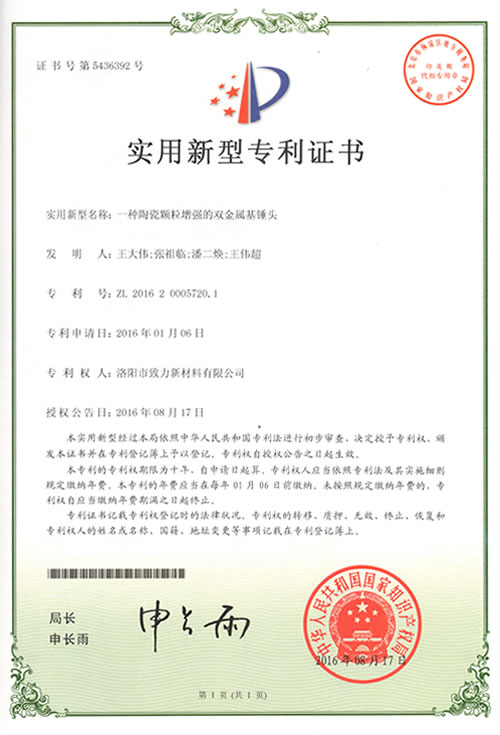
Certifications & Authorizations
Quality you can verify. Partners you can trust.
Custom OEM / ODM
From drawing to delivery — one-stop customization, no minimum order
Send Drawing
Upload your technical drawing (PDF, DWG, STEP, IGES) or share sample photos with dimensions
Engineering Review
Material recommendation, casting process design, DFM analysis — free quotation within 24 hours
Sampling & Test
Prototype production with full inspection: hardness test, spectrometer, dimensional check
Production & Ship
ISO 9001 certified. 15-25 days standard lead time. Global shipping with full documentation
Frequently Asked Questions
Quick answers to common questions about our jaw crusher cheek plates & toggle plates
Cheek plates and toggle plates serve completely different functions in a jaw crusher. Understanding this distinction is essential for correct material selection:
- Cheek plates (side liners) — wear protection, not load-bearing: Cheek plates bolt to the inside of the crusher frame side walls. Their sole purpose is to protect the frame from abrasive wear as crushed material slides down the crushing chamber between the fixed and movable jaw dies. They experience pure sliding abrasion with occasional impact from ricochet particles. Material choice: Mn13 (standard) work-hardens from impact and scuffing; Mn13Cr2 (chromium-enhanced) extends life 1.2-1.5x in abrasive ores; Mn18Cr2 (highest manganese) for hard rock with large feed where ricochet impact is severe. Cheek plates do NOT transmit crushing force — they are wear liners only, not structural components.
- Toggle plates — a deliberate safety fuse, not a wear part: The toggle plate is the single most critical safety device in a jaw crusher. It connects the movable jaw (via the toggle seat) to the adjustment mechanism and transmits the full crushing force — typically 500-3,000 kN depending on crusher size. The toggle plate has a machined necked-down section that is carefully engineered to break at exactly 120-150% of the rated crushing force. When an uncrushable object (tramp metal, drill bit, bucket tooth) enters the crushing chamber, the toggle plate breaks at the neck, instantly releasing all clamping force and protecting the eccentric shaft, bearings, frame, and pitman from catastrophic overload. This is a feature, not a failure.
- Toggle plate material — ZG270-500 vs ZG310-570: The material must be strong enough to withstand normal operation without fatigue failure, yet weak enough at the neck to break predictably under overload. ZG270-500 cast steel (500 MPa tensile, 150-190 HB) is the standard for PE250-PE600 crushers. ZG310-570 (570 MPa tensile, 160-210 HB) for PE750+ crushers where operating forces are higher. The neck geometry (depth of machined groove and root radius) is calibrated to each crusher model — changing the material without re-calibrating the neck changes the break threshold, either breaking too easily (nuisance breaks) or not breaking at all (losing overload protection).
- Never upgrade toggle plate material — it is dangerous: Some operators mistakenly request “stronger” toggle plates after experiencing frequent breaks. This is the wrong response — frequent toggle breaks indicate either the crusher is processing contamination (improve feed sorting) or the toggle neck geometry is worn with a sharper-than-designed stress concentration (replace with correct OEM geometry). Installing a higher-strength toggle plate shifts the break threshold from 150% to 200%+ of rated force — meaning the toggle no longer protects the crusher, and a tramp metal event will damage the eccentric shaft ($20,000-80,000 repair) instead of breaking a $200-600 toggle plate.
Key principle: Cheek plate = wear part, optimise for abrasion resistance. Toggle plate = safety fuse, never optimise for strength — the correct toggle is the one that breaks at the right force. A toggle plate that does not break is a toggle plate that transfers overload to your eccentric shaft.
Toggle plate breakage diagnostics is one of the most misunderstood failure modes in crushing. The toggle plate breaking is usually a symptom — identifying the root cause prevents repeat failures:
- Normal toggle break (tramp metal, 1-3 times per year): A single uncrushable object enters the chamber — excavator tooth, drill bit, manganese steel liner fragment, or heavy rebar bundle. The toggle plate snaps cleanly at the neck. The break surface shows a single-origin brittle fracture with no fatigue beach marks. This is the toggle plate doing its job correctly — it sacrificed itself to protect the crusher. Response: replace the toggle plate (15-30 minutes) and resume operation.
- Frequent toggle breaks (more than 2 per month) — feed contamination: If you are breaking more than 2 toggles per month, the problem is not the toggle plate — it is your feed material. Common sources of tramp contamination: (a) excavator teeth breaking off in the quarry face — inspect loader/ excavator buckets daily for worn/missing teeth; (b) drill bits and drill steel left in blasted muck — use a rock breaker with magnet attachment to sweep blasted material before loading into crusher; (c) manganese crusher wear parts from upstream crushers fragmenting and entering jaw feed as uncrushable lumps — install a grizzly screen before the jaw crusher. Fix the feed contamination rather than modifying the toggle.
- Toggle break at neck — with fatigue beach marks (wrong toggle geometry): If the fracture surface shows semi-circular beach marks radiating from a point on the neck surface, the toggle is failing by fatigue, not overload. This means the neck root radius is too sharp (creating a stress concentration), the neck depth is too deep (reducing cross-section below design), or the surface finish is too rough (machining marks acting as crack initiation sites). The toggle is breaking at normal operating loads, not overload. Solution: inspect neck geometry — root radius should be R3-5 mm minimum; verify neck depth matches OEM drawing; polish neck surface to Ra <1.6 um to eliminate machining marks.
- Toggle break NOT at neck (catastrophic, dangerous): If the toggle breaks anywhere other than the machined neck, this indicates a severe defect — casting porosity, slag inclusion, or a sharp corner elsewhere on the toggle creating an unintended stress concentration. This is a manufacturing defect and a serious safety issue because the break force is unpredictable. Inspect the fracture surface — grey, granular appearance indicates casting defect. Do not use toggles from the same batch. A properly manufactured toggle should always break at the machined neck, where the force is calibrated.
Root cause flow chart: Toggle broke at neck, clean single-origin fracture → normal overload (tramp metal). Toggle broke at neck, beach marks visible → fatigue (wrong geometry or material). Toggle broke elsewhere → casting defect (reject batch). More than 2 breaks/month regardless of cause → feed contamination (fix upstream, not the toggle). ZHILI supplies toggles with certified neck geometry and documented break force from batch testing — every batch is sample-tested to verify break force within ±10% of OEM specification.
Installation quality directly affects crusher performance and safety. A loose cheek plate causes uneven jaw die wear; a misaligned toggle plate changes the crusher stroke and can fail unpredictably:
- Cheek plate installation: Clean the crusher frame mounting surface to bare metal — rust, scale, and old bolt fragments prevent the cheek plate from sitting flat. A gap of even 1 mm under the cheek plate concentrates bolt stress and causes bolt loosening or breakage within hours. Apply a thin coat of anti-seize compound (copper-based acceptable here since cheek plates are not high-hardenability steels) to bolt threads. Tighten bolts in a star pattern (centre bolts first, then work outward) to 50% torque, then 100% torque. Two-stage tightening ensures the plate seats evenly and prevents edge-lift. After 8 hours of operation, re-check bolt torque — cheek plates settle under vibration and initial bolt preload relaxes 10-15%.
- Cheek plate to jaw die clearance (critical, often overlooked): There must be a 3-5 mm gap between the cheek plate edge and the jaw die (fixed and movable). If the cheek plate touches the jaw die, three problems occur: (a) the die cannot expand thermally — crushing generates heat and dies expand 0.5-1.0 mm, pressing against the cheek plate and distorting it; (b) fine material packs into the zero-clearance gap, expanding and creating lateral force that bows the cheek plate outward; (c) the cheek plate takes a share of the crushing load (which it is not designed for), leading to cracking around bolt holes. Use an appropriate thickness shim at each bolt position to set the 3-5 mm gap evenly. Check gap with feeler gauge after tightening — adjust shims if needed.
- Toggle plate installation: The toggle plate seats into machined pockets (toggle seats) on both the movable jaw and the adjustment mechanism. Both toggle seats must be clean, flat, and free of wear grooves. Worn toggle seats allow the toggle plate to rock rather than seat firmly — this creates point loading that can snap the toggle at normal loads. Inspect toggle seats with a straightedge — any wear depression >1 mm requires machining or replacement of the toggle seat. Apply a thin film of heavy grease to the toggle seat surfaces — this reduces fretting and makes future removal easier, but does not affect load transmission (grease squeezes out to <0.01 mm film under 1,000+ kN load).
- Toggle plate preload and operational check: The toggle plate should be installed with a slight gap of 3-5 mm between the toggle and the toggle seats when the crusher is cold and the CSS (Closed Side Setting) is set. As the crusher runs and warms up, thermal expansion closes this gap and the toggle plate seats fully. If the toggle is installed tight (zero gap cold), thermal expansion creates excessive preload and the toggle may break at start-up. After 1 hour of operation, stop and check — the toggle should be firmly seated with no perceptible movement when prodded with a pry bar. Any looseness >1 mm indicates incorrect CSS setting or worn toggle seats.
Toggle plate safety — never bypass: Never operate a jaw crusher without a toggle plate, and never weld, bolt, or otherwise defeat the toggle’s break function. The toggle plate is the only overload protection between the crushing forces and the eccentric shaft. Operating without a toggle (or with a bypassed toggle) will destroy the eccentric shaft, bearings, and pitman the first time an uncrushable object enters the chamber — a repair costing $30,000-100,000 compared to a $200-600 toggle replacement.
Related Products
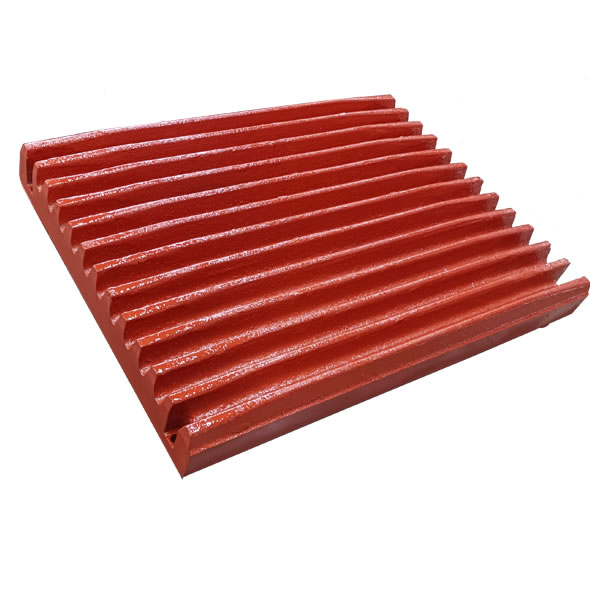
Jaw Plate
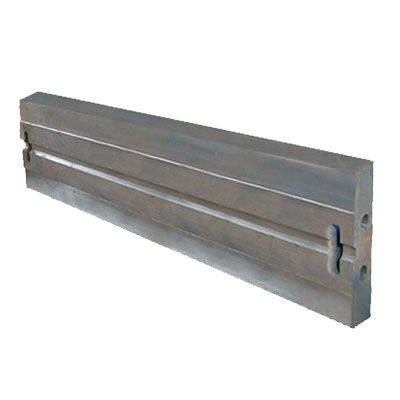
Blow Bar
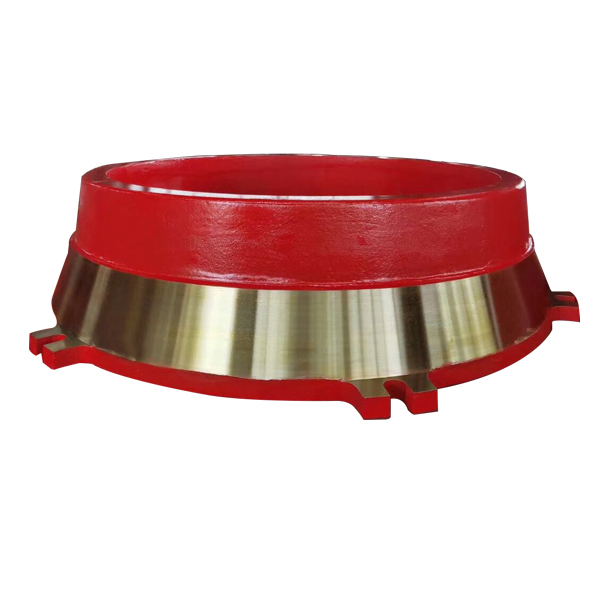
Mantle & Concave
Grate Bar
Contact Us
Get a quote within 24 hours. Send us your inquiry today.

+86 199 8785 7268
Mon-Sat 8AM-10PM CST Scan to chat — English, Spanish, Chinese Send photos of worn parts for instant quote

+86 199 8785 7268
Scan to follow — factory updates and quotes Chat in Chinese or English