

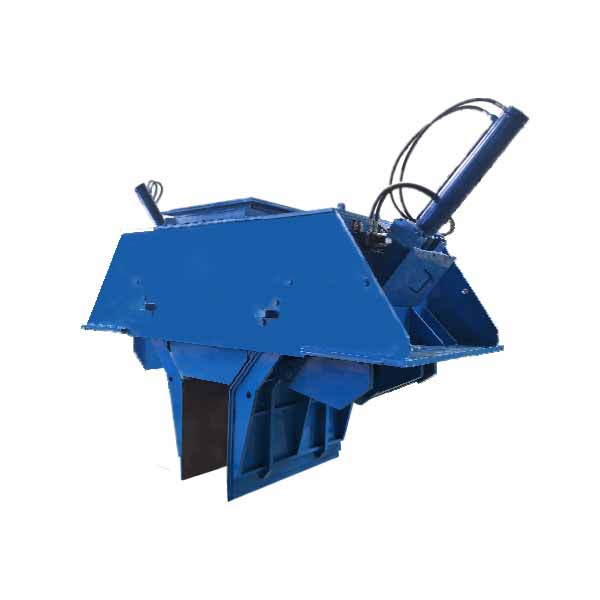
Hydraulic Double Slide Feed Device
Hydraulic-Powered Dual Slide Gate for Crusher / Mill Feed Control — Adjustable Flow Rate 0-100% — Remote Control & Manual Override
Hydraulic Double Slide Feed Device
Material Specifications & Selection Guide
| Component | Material | Hardness | Process | Feature |
|---|---|---|---|---|
| Main Frame | Q345B / Q235B | — | Welded structure | High strength, weldable |
| Side Plates | NM400 / NM500 | 360-500 HB | Wear plate | Abrasion resistant |
| Slide Plates | 40Cr / 42CrMo | 28-35 HRC | Machined + HT | Smooth sliding surface |
| Guide Rails | 45# Steel / 40Cr | 45-55 HRC | Induction harden | Precision guidance |
| Fasteners | Grade 10.9 | 32-39 HRC | Zinc flake | High tensile strength |
| Component | Spec / Material | Pressure | Feature | Brand |
|---|---|---|---|---|
| Cylinder | 40Cr chrome rod + honed tube | 16-25 MPa | Double acting | Rexroth / Parker |
| Seal Kit | NBR / Viton / PU | — | Oil/temp resistant | Parker / SKF |
| Hydraulic Pump | Gear / Piston type | 21 MPa max | Variable flow | Rexroth / Yuken |
| Valve Block | Cast steel body | 31.5 MPa | Proportional control | Bosch / Parker |
| Hoses | Steel wire braided | 35 MPa | 4SP / 4SH | Manuli / Gates |
| Component | Material | Hardness | Replacement | Life (months) |
|---|---|---|---|---|
| Feed Chute Liner | Mn13Cr2 / NM500 | 200-250 HB / 450-500 HB | Bolted | 6-12 |
| Slide Gate Face | Hardfaced Q345 + ZD-414 | 58-62 HRC | Rebuildable | 12-18 |
| Bearing Bushes | CuZn25Al5 / Graphite bronze | — | Press-fit | 12-24 |
| Wear Shims | 65Mn spring steel | 38-45 HRC | Adjustable | 6-12 |
| Dust Seals | EPDM / Silicone | — | Clip-on | 12-24 |
Selection Quick Reference
- Cement roller press feeding (clinker, raw meal): Standard hydraulic feed device with Q345B frame + NM400 side plates — balances cost and wear resistance for continuous cement production, 16-21 MPa hydraulic pressure
- HPGR mining applications (hard rock, iron ore): Heavy-duty version with NM500 wear plates + hardfaced slide gates — enhanced abrasion resistance for severe mining conditions, 21-25 MPa pressure rating
- High-temperature feeding (hot clinker, kiln discharge): Heat-resistant configuration with 40Cr slide plates + Viton seals — operates up to 200 C for hot material handling with minimal thermal expansion issues
- Precision control requirements (variable feed rates): Proportional hydraulic control with Rexroth valve block + position sensors — precise slide positioning for consistent roller press throughput optimization
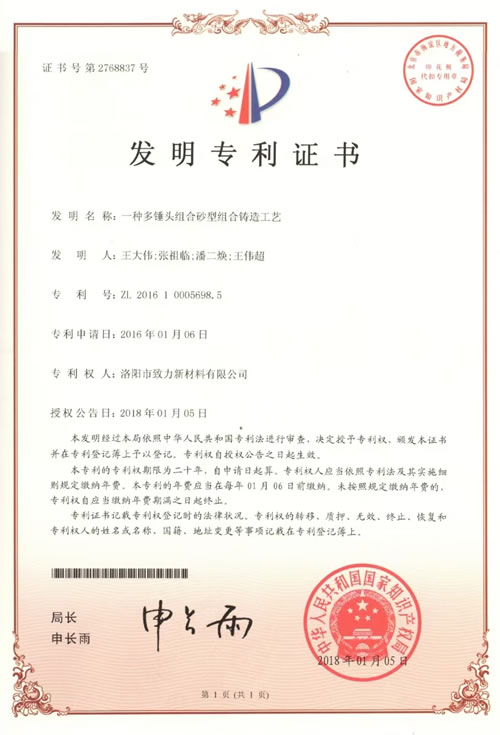
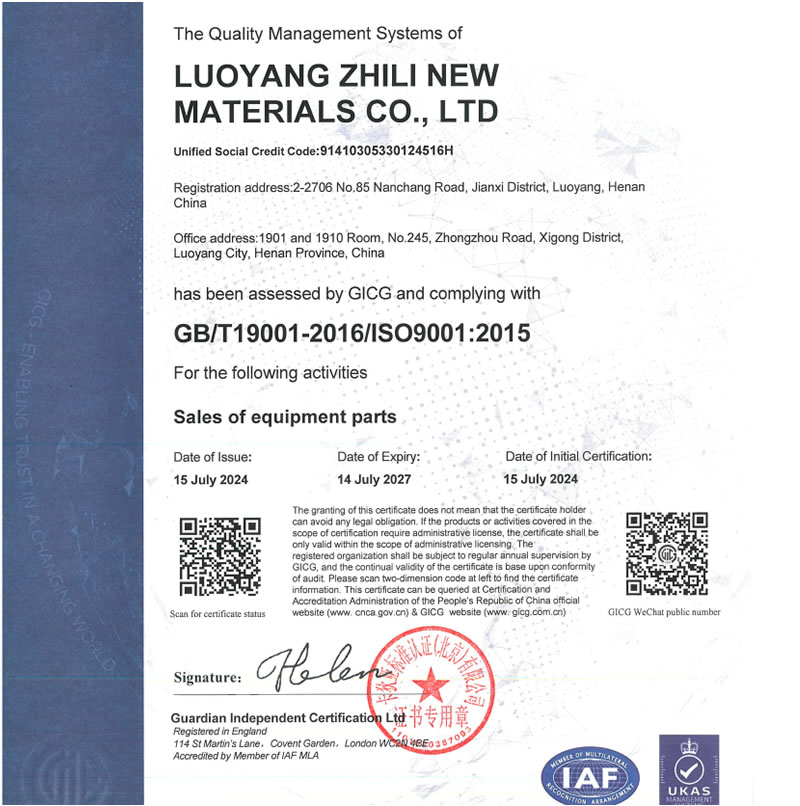
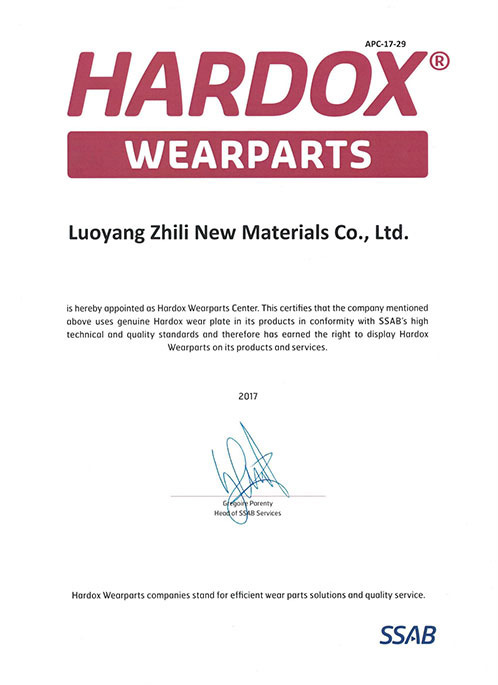
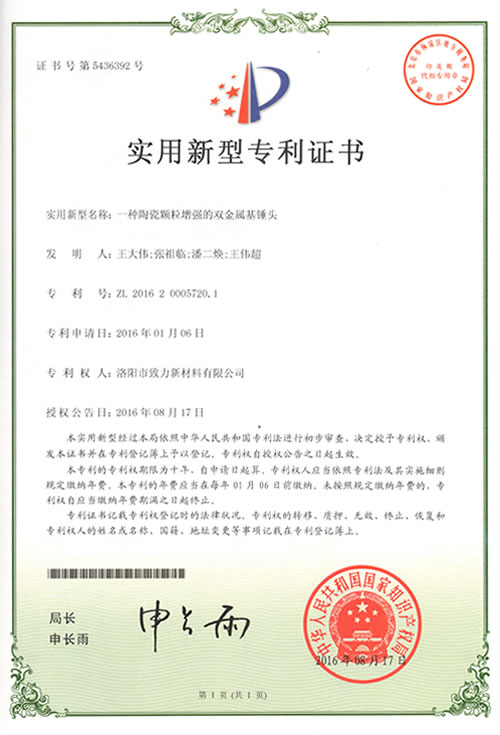
Certifications & Authorizations
Quality you can verify. Partners you can trust.
Custom OEM / ODM
From drawing to delivery — one-stop customization, no minimum order
Send Drawing
Upload your technical drawing (PDF, DWG, STEP, IGES) or share sample photos with dimensions
Engineering Review
Material recommendation, casting process design, DFM analysis — free quotation within 24 hours
Sampling & Test
Prototype production with full inspection: hardness test, spectrometer, dimensional check
Production & Ship
ISO 9001 certified. 15-25 days standard lead time. Global shipping with full documentation
Frequently Asked Questions
Hydraulic Double Slide Feed Device
The difference between a single slide gate and a hydraulic double slide is not just a second mechanism — it fundamentally changes how material enters the crusher or mill.
Single Slide Gate
One slide moves in one direction
Material flow shifts to the un-gated side as gate closes
At 50% open, the flow center is offset by 25% of gate width
Creates uneven feed to crusher = one side of crusher/mill works harder
Side-loading accelerates bearing and liner wear on the loaded side
Result: Uneven liner wear pattern, shorter crusher life
Double Slide Gate
Two slides move inward and outward symmetrically
Material flow remains centered over crusher/mill inlet at ALL openings
At 50% open, the flow center stays exactly on the crusher centerline
Uniform feed to crusher = even load distribution across full crushing chamber width
No side-loading = symmetric bearing loads, uniform liner wear
Result: Even liner wear, 15-25% longer liner life, lower maintenance
The centered-flow physics:
- Flow centering at all positions: When both slides move symmetrically toward the center, the open gap is always centered. At 10% open, 50% open, or 100% open — material always falls straight down the middle. This is not possible with a single slide.
- Crusher protection: Jaw crushers and cone crushers are designed for centered feed. Side-loading a jaw crusher reduces bearing life by 30-50% and creates a diagonal liner wear pattern that requires premature liner replacement. A double slide eliminates this problem entirely.
- HPGR criticality: For HPGR applications, centered feed is non-negotiable. Uneven feed across the roller width causes roller skew (one side crushing more than the other), which accelerates stud wear on the overloaded side by 2-3x. Double slide feed is mandatory for HPGR installations.
- VRM advantage: In vertical roller mills, centered feed ensures the grinding bed is uniform across the table width. Side-loaded feed creates a wedge-shaped bed that causes asymmetric grinding pressure and premature roller tire wear on the thick side.
The hydraulic control system determines how precisely and how quickly feed rate changes are made. The three levels of control represent three different operational philosophies.
Manual Throttle Valve
Operator adjusts gate position by hand
Response time: operator dependent (30-120 sec)
Position accuracy: visual estimate only
Feedback: none (operator observation)
Integration: stand-alone (no DCS link)
Cost: baseline (1.0x)
Best for: Fixed-rate applications where feed rate rarely changes
Servo Valve + PLC + PID
PLC adjusts gate automatically based on crusher motor current
Response time: 1-3 seconds
Position accuracy: 0.1mm (LVDT feedback)
Feedback: real-time motor current, gate position, material level
Integration: fully integrated with plant DCS + trending
Cost: 2.5-3.0x
Best for: Critical processes (mills, HPGR) requiring stable load
Decision framework:
- Choose manual throttle valve when: The feed is constant-rate from a volumetric feeder (e.g., belt feeder with fixed speed). The slide gate serves as an on/off isolation device, not a flow controller. Position changes are infrequent (once per shift or less). Typical for older crusher installations.
- Choose proportional valve + PLC when: You need automatic feed rate adjustment based on crusher motor current draw. The PLC monitors crusher motor amps and adjusts gate position to maintain the setpoint (typically 80-90% of motor rated current). This is the industry standard for modern jaw and cone crusher installations. Response time of 5-10 seconds is adequate for crusher protection.
- Choose servo valve + PLC + PID when: The process demands tight control of a parameter that changes on a sub-second timescale. Required for ball mills (mill load must stay within 2-3% of setpoint to maintain grinding efficiency), VRMs (table load directly affects grinding pressure), and HPGRs (roller gap pressure must be stable within 0.5 MPa).
The hydraulic double slide feed device is a low-maintenance but not zero-maintenance system. The penalty for neglected maintenance is severe — a stuck slide during operation means the crusher or mill must be shut down on an emergency basis.
Maintenance Schedule & Priority:
Weekly (Operator Inspection)
Visual check: slide plates for excessive wear or gouging
Guide rail: verify clean and lubricated
Hydraulic oil level: check sight glass
Hoses: visual inspection for leaks or abrasion
Limit switches: verify function (open/close test)
Time required: 15 minutes per shift
Monthly / 250 Hours (Maintenance Inspection)
Slide plate thickness: ultrasonic measurement
Guide rail wear: measure with dial indicator
Hydraulic oil sample: send for analysis
Cylinder rod: inspect for scoring, chrome damage
Bolt torque: check all structural bolts
Time required: 1-2 hours per device
Critical maintenance items in detail:
- Slide Plate Wear (Priority #1): The slide plate is the only regularly replaced wear item. Measure ultrasonic thickness at 3 points per plate monthly. Replace when: (a) thickness drops below 8mm at any point, (b) wear groove depth exceeds 5mm (creates material hang-up point), (c) plate edge becomes rounded (loss of shut-off seal). Plate replacement: 4-6 hours with 2-person crew.
- Hydraulic Oil (Priority #2): Change oil and filters every 4,000 operating hours or annually, whichever comes first. Sample oil every 500 hours for particle count. NAS class above 10 = filter change needed. NAS class above 12 = oil change + system flush required. The top 3 causes of hydraulic valve failure: (1) contaminated oil, (2) contaminated oil, (3) contaminated oil.
- Guide Rail Lubrication (Priority #3): Grease all guide rail fittings weekly with lithium-based EP2 grease. Dry or rusty rails increase slide friction 3-5x, causing hydraulic pressure spikes that can trip the system or damage cylinder seals. Install automatic lubrication pumps for 24/7 operation.
- Accumulator Charge Check (Priority #4): Verify nitrogen pre-charge pressure in the emergency close accumulator every 3 months. Pre-charge should be 70-80% of minimum system pressure. Low accumulator charge = emergency close will be too slow or incomplete. This is a safety-critical function — failure during actual emergency means material continues flowing into a tripped crusher.
- Cylinder Rod Protection: Inspect chrome plating monthly for scoring, pitting, or peeling. Any chrome damage deeper than the plating thickness (0.02-0.05mm) exposes the steel core to corrosion. A single scratch through the chrome costs $2,000-4,000 for rod replacement or re-chroming. Install rod boots or bellows in dusty environments.
Related Products
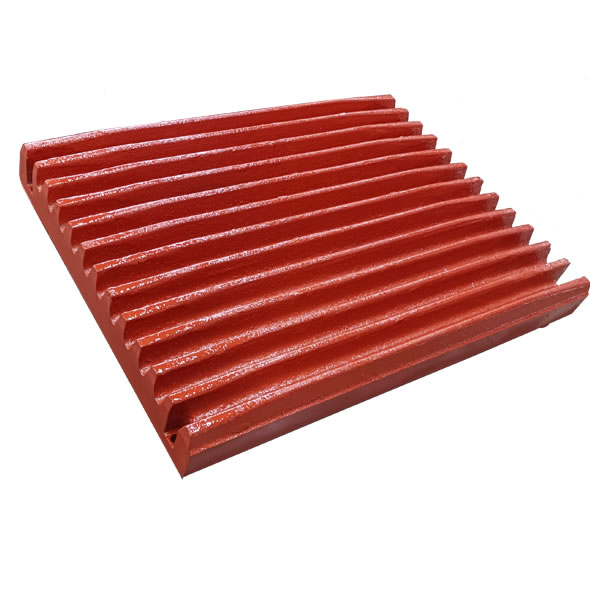
Jaw Plate
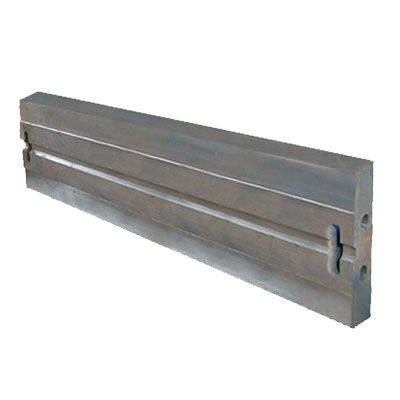
Blow Bar
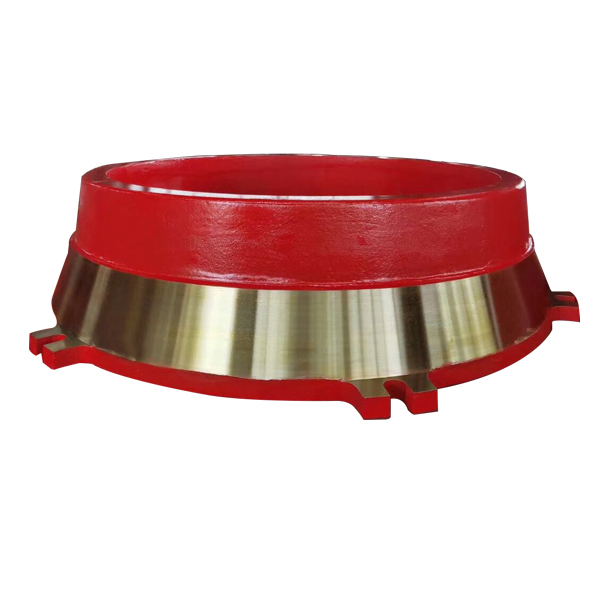
Mantle & Concave
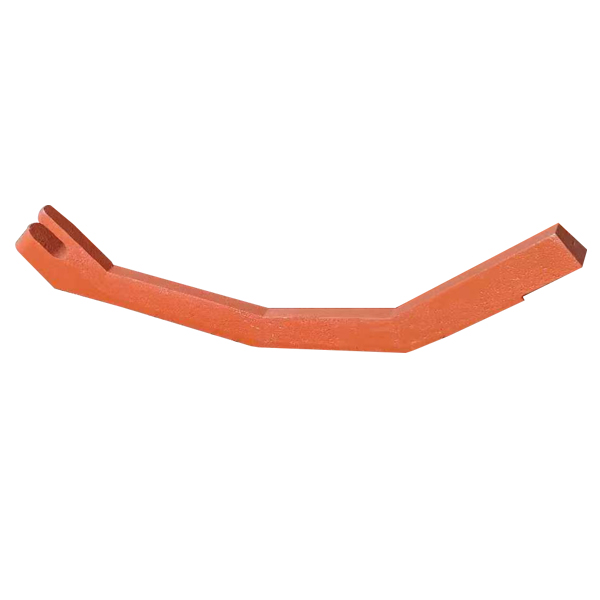
Grate Bar
Contact Us
Get a quote within 24 hours. Send us your inquiry today.

+86 178 4242 1247
Mon-Sat 8AM-10PM CST Scan to chat — English, Spanish, Chinese Send photos of worn parts for instant quote

+86 178 4242 1247
Scan to follow — factory updates and quotes Chat in Chinese or English