

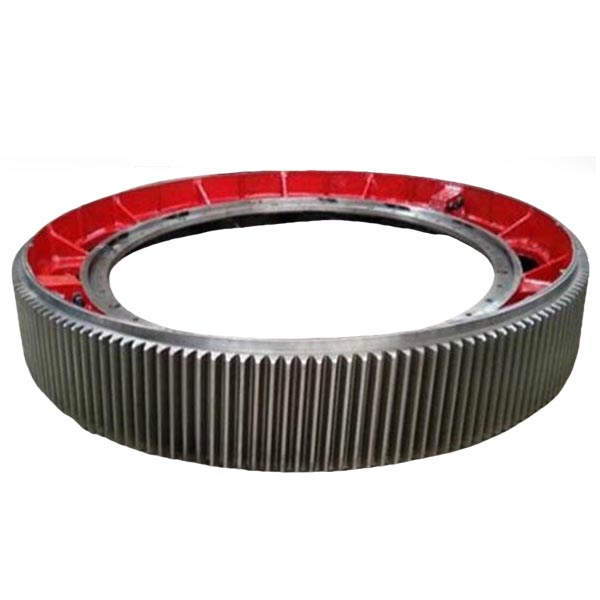
Gear Wheel / Girth Gear
Mill Girth Gears & Ring Gears — High Strength Alloy Steel (ZG35CrMo / ZG42CrMo / 35CrMo Forged) / Ductile Cast Iron (QT500-7 / QT600-3) — For Ball Mill / Rod Mill / Rotary Kiln / Dryer
Gear Wheel / Girth Gear
Material Specifications & Selection Guide
| Grade | Material | Tooth Hardness | Core Hardness | Tensile (MPa) | Application |
|---|---|---|---|---|---|
| ZG35CrMo | Cast Cr-Mo Steel | 220-280 HB | 190-240 HB | 690 | Small-medium mills |
| 42CrMo | Forged Alloy Steel | 45-55 HRC | 28-35 HRC | 1080 | Medium-large mills |
| 40Cr | Forged Alloy Steel | 48-55 HRC | 25-32 HRC | 980 | Standard duty mills |
| 35CrMo | Forged Alloy Steel | 45-52 HRC | 28-35 HRC | 980 | Heavy duty mills |
| 34CrNiMo6 | Forged Ni-Cr-Mo | 50-58 HRC | 30-38 HRC | 1100 | SAG mills, impact load |
| 18CrNiMo7-6 | Case Hardening Steel | 58-64 HRC | 35-42 HRC | 1200 | High precision, heavy load |
| Parameter | Range | Tolerance | Feature |
|---|---|---|---|
| Module (m) | 10-50 | +0/-0.02 mm | Determines tooth size |
| Pressure Angle | 20 deg (std) | +5’/-5′ | Involute profile |
| Helix Angle | 0-15 deg | +3’/-3′ | Double helical for large |
| Pitch Diameter | 1,000-6,000 mm | +0.05/-0 mm | Reference diameter |
| Face Width | 150-600 mm | +1/-0 mm | Load distribution |
| Teeth Count | 100-400 | — | Even number preferred |
| Accuracy Grade | AGMA 8-12 / DIN 5-7 | — | High precision grinding |
| Surface Finish | Ra 1.6-3.2 | — | Gear grinding finish |
| Mill Type | Mill Dia. (m) | Gear Dia. (mm) | Module | Face Width (mm) | Material |
|---|---|---|---|---|---|
| Ball Mill (Small) | 1.5-2.4 | 1,800-2,800 | 14-18 | 150-220 | ZG35CrMo |
| Ball Mill (Medium) | 2.4-3.5 | 2,800-4,200 | 18-24 | 200-300 | 40Cr / 42CrMo |
| Ball Mill (Large) | 3.5-5.0 | 4,200-6,000 | 24-32 | 280-400 | 42CrMo / 35CrMo |
| SAG Mill | 7.0-12.2 | 8,000-14,000 | 30-50 | 400-600 | 34CrNiMo6 / 18CrNiMo7-6 |
| AG Mill | 6.0-10.0 | 7,000-12,000 | 28-45 | 350-550 | 34CrNiMo6 |
| Rod Mill | 2.0-4.0 | 2,400-4,500 | 16-26 | 180-320 | 40Cr / 42CrMo |
| Cement Mill | 3.0-5.0 | 3,600-6,000 | 22-32 | 250-400 | 42CrMo / 35CrMo |
| Rotary Kiln | 2.5-6.0 | 3,000-7,500 | 20-35 | 220-450 | 35CrMo / 42CrMo |
Selection Quick Reference
- Small mills (1.5-2.4 m diameter, up to 500 kW): ZG35CrMo cast girth gear — economical choice for small ball mills and rod mills, module 14-18, precision AGMA 8-10, requires periodic inspection for casting defects
- Medium mills (2.4-3.5 m, 500-2,000 kW): 40Cr or 42CrMo forged girth gear — superior fatigue resistance for medium duty, module 18-24, AGMA 10-11 accuracy, single helical or spur gear design
- Large mills (3.5-5.0 m, 2,000-5,000 kW): 42CrMo or 35CrMo forged — high strength for heavy loads, module 24-32, AGMA 11-12, single/double helical depending on mill width
- SAG/AG mills (6.0-12.2 m, >5,000 kW): 34CrNiMo6 or 18CrNiMo7-6 — Ni-Cr-Mo alloy mandatory for impact loading from large ore, case hardened teeth (58-64 HRC) for maximum wear resistance, core toughness prevents tooth fracture
- High-speed mills (speed >75% critical): 18CrNiMo7-6 case hardened — highest precision (AGMA 12 / DIN 5), ground tooth profile, minimizes vibration and noise for high-speed operation
- Critical installation notes: Girth gear must be mounted with center deviation <0.1 mm, backlash adjusted per module (0.03-0.05 x module), lubrication system with EP gear oil (ISO VG 320-680) based on operating temperature
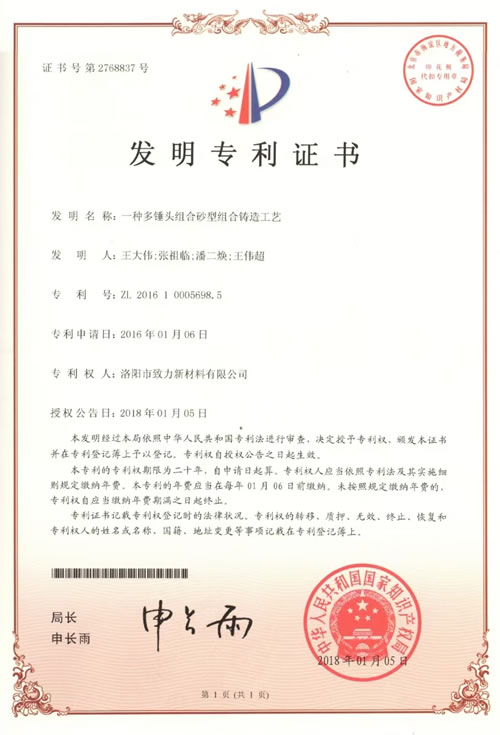
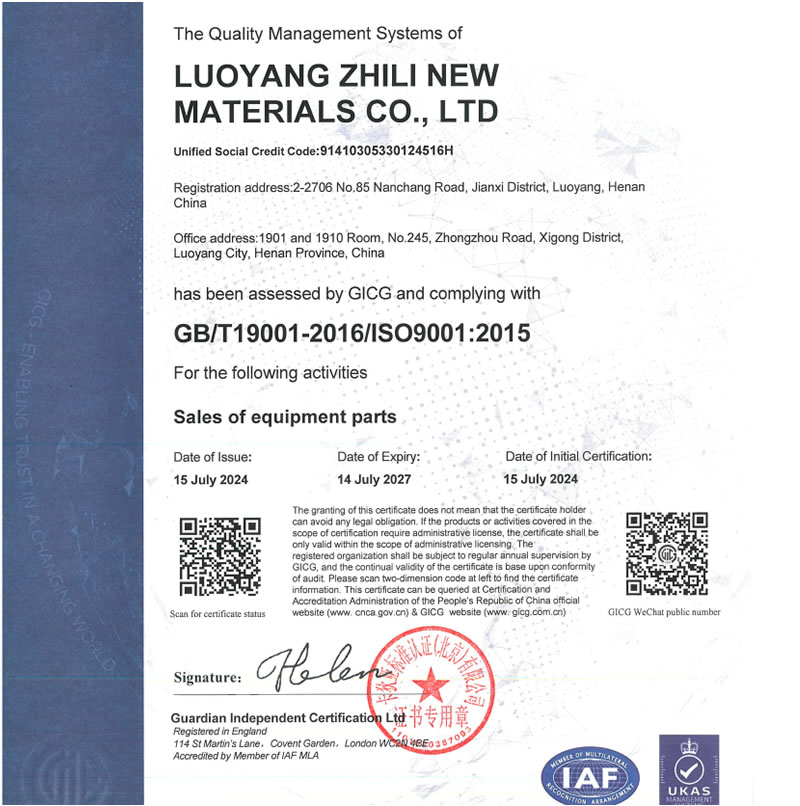
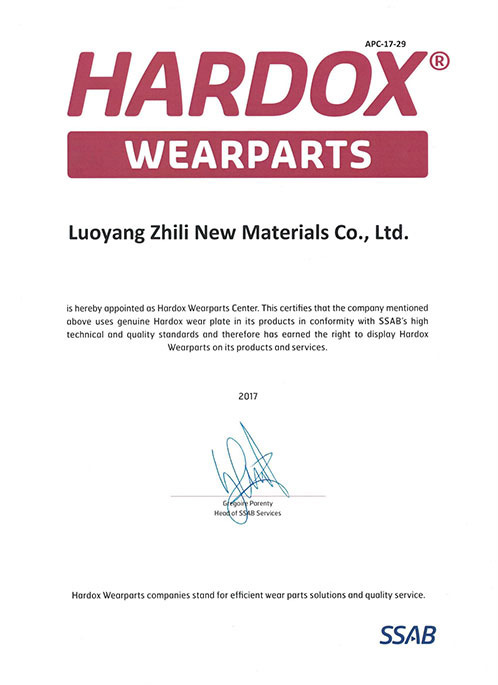
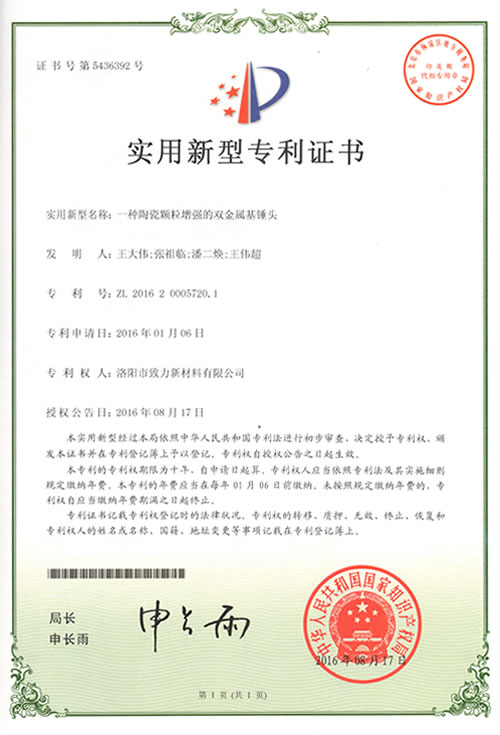
Certifications & Authorizations
Quality you can verify. Partners you can trust.
Custom OEM / ODM
From drawing to delivery — one-stop customization, no minimum order
Send Drawing
Upload your technical drawing (PDF, DWG, STEP, IGES) or share sample photos with dimensions
Engineering Review
Material recommendation, casting process design, DFM analysis — free quotation within 24 hours
Sampling & Test
Prototype production with full inspection: hardness test, spectrometer, dimensional check
Production & Ship
ISO 9001 certified. 15-25 days standard lead time. Global shipping with full documentation
Frequently Asked Questions
Girth gear failure is the longest-downtime event in any grinding or kiln circuit. A complete gear replacement takes 2-6 weeks depending on size and availability:
Failure consequences:
- 2-6 weeks mill shutdown for gear replacement — the gear must be removed, new segments brought in, aligned, bolted, and run-in. In a 200 tph cement mill, that’s 67,000-200,000 tons of lost production.
- Gear cost: $30,000-200,000 depending on size and material. But the lost production cost is typically 5-10x the gear cost.
- Collateral damage: A failing gear damages the pinion (small drive gear) simultaneously — both typically need replacement together. Pinion adds $5,000-20,000.
Four early warning signs — catch these and you can plan the replacement instead of reacting:
- Gear mesh vibration increasing: Install a vibration sensor on the pinion bearing housing. A 20-30% increase in vibration amplitude over 6 months at the gear mesh frequency (tooth count x rpm) indicates progressive tooth wear or pitting.
- Tooth pitting visible during inspection: During planned shutdowns, inspect the loaded tooth flanks (the side that transmits power). Micropitting appears as a frosted/gray area; macropitting as visible craters >1mm. Once macropitting covers >20% of tooth area, plan replacement within 12 months.
- Backlash exceeds 2x original specification: Measure at 4 positions around the gear. If backlash has doubled from original installation (typically 1.5-3mm), tooth wear is significant. Increasing backlash accelerates tooth impact loading.
- Lubricant analysis shows metal particles: Send grease/oil samples for ferrography. A sudden increase in iron particles or large particle count (>100µm) indicates active tooth spalling.
ZHILI recommendation: Conduct annual gear inspection (visual + backlash measurement + lubricant analysis). The gear gives 12-24 months of warning before catastrophic failure — if you look for the signs.
The choice between ductile iron and alloy steel is primarily driven by mill power and duty cycle:
Ductile iron advantages:
- Cost: 50-60% cheaper than alloy steel for the same gear size. The graphite structure in ductile iron provides self-lubricating properties, reducing wear on the mating pinion.
- Damping: The graphite nodules absorb vibration. Ductile iron gears run noticeably quieter than steel gears. This is important for mills near residential areas with noise restrictions.
- Machinability: Ductile iron cuts faster than alloy steel, reducing manufacturing lead time by 2-3 weeks for large gears.
Ductile iron limitations:
- Fatigue strength: Contact fatigue limit of ductile iron is approximately 700-900 MPa vs 1000-1200 MPa for ZG42CrMo. Under heavy load (especially SAG mills with shock loading from large rocks), ductile iron teeth pit faster.
- Notch sensitivity: Ductile iron is more susceptible to crack initiation from surface defects than steel. Any casting imperfection at the tooth root becomes a fatigue crack initiation point.
Choosing between them:
- Ductile iron (QT600-3): Best for ball mills up to 2,500 kW, rotary kilns, dryers — applications with steady load and no shock. Provides the best value per kW transmitted.
- Alloy steel (ZG35CrMo): Best for ball mills 1,500-3,500 kW — the standard choice for >3.0m diameter cement mills.
- Alloy steel (ZG42CrMo / 35CrMo Forged): Mandatory for SAG mills, large ball mills >3,500 kW, mills with variable load or frequent start-stop cycles. The higher cost ($1.5-2x vs ductile iron) is justified by preventing a single unplanned shutdown.
Yes. ZHILI has been reverse-engineering girth gears for 30+ years. The process is more complex than any other mill component because gear geometry must be precise to micron level:
Four critical gear parameters we must capture exactly:
- Tooth module (m): The ratio of pitch diameter to tooth count. Even a 0.5mm module error means the new gear will not mesh with the existing pinion — both must be replaced.
- Pressure angle (typically 20): Standard involute is 20, but some OEMs use 14.5 or 25 for specific applications. Must match exactly.
- Tooth profile modification: Many OEM gears use tip relief or root relief to compensate for tooth deflection under load. We must replicate these modifications, not just the nominal involute.
- Helix angle (for helical gears): Double-helical (herringbone) gears are common on large mills to eliminate axial thrust. Left-hand and right-hand helix angles must be matched within 0.1.
ZHILI reverse-engineering workflow:
- Option A — OEM drawing available: We manufacture to the drawing with our material recommendation. Lead time: 10-14 weeks.
- Option B — Existing gear available for measurement: We use a portable CMM (coordinate measuring machine) or laser tracker to capture the exact tooth geometry from your existing gear — even a worn one. From the scan data, we reconstruct the original (unworn) tooth profile. Lead time: 12-16 weeks.
- Option C — On-site measurement of pinion + gear housing: If your gear is too damaged to scan, we measure the mating pinion (which typically wears less) and the gear housing mounting points to calculate the required gear geometry. Lead time: 14-18 weeks.
Material upgrade opportunity: If your existing gear is gray cast iron (HT250/HT300) and you’re operating at >1,200 kW, upgrading to ductile iron (QT600-3) provides 100-140% higher tensile strength with only 50% cost increase. If you’re already running ductile iron and experiencing pitting, upgrading to ZG42CrMo alloy steel provides 40-50% higher contact fatigue resistance. Each material upgrade extends gear life by 30-50% under the same operating conditions.
Pinion replacement recommended: When replacing a girth gear, always replace the pinion simultaneously — a new gear running against a worn pinion will experience accelerated wear. ZHILI supplies matched gear + pinion sets with lapped tooth contact patterns.
Related Products
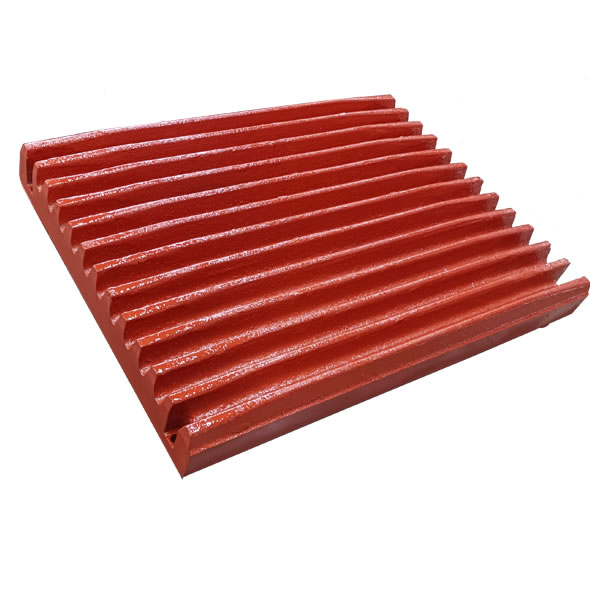
Jaw Plate
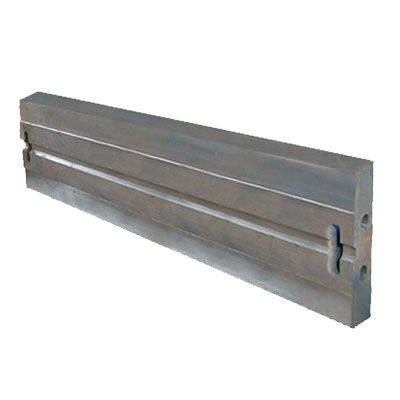
Blow Bar
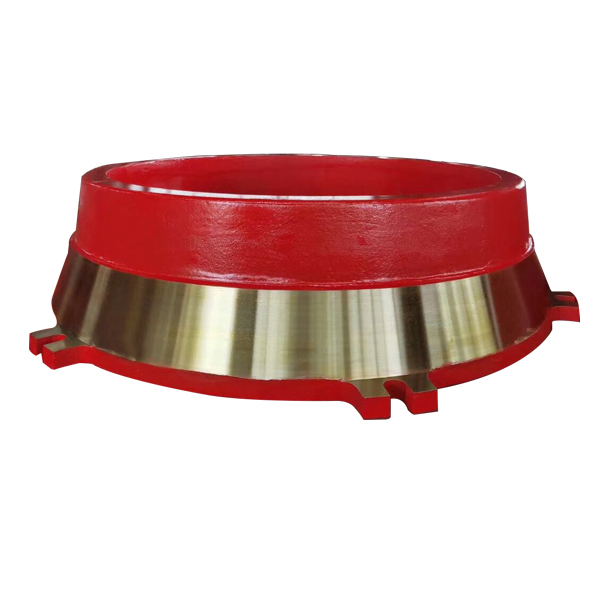
Mantle & Concave
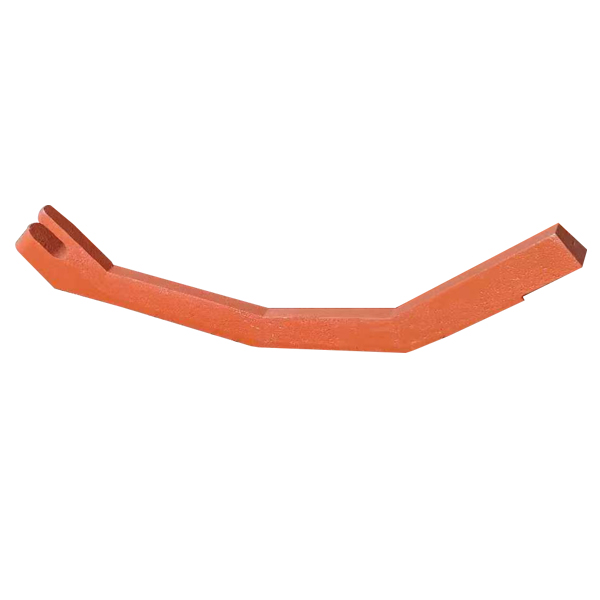
Grate Bar
Contact Us
Get a quote within 24 hours. Send us your inquiry today.

+86 199 8785 7268
Mon-Sat 8AM-10PM CST Scan to chat — English, Spanish, Chinese Send photos of worn parts for instant quote

+86 199 8785 7268
Scan to follow — factory updates and quotes Chat in Chinese or English