

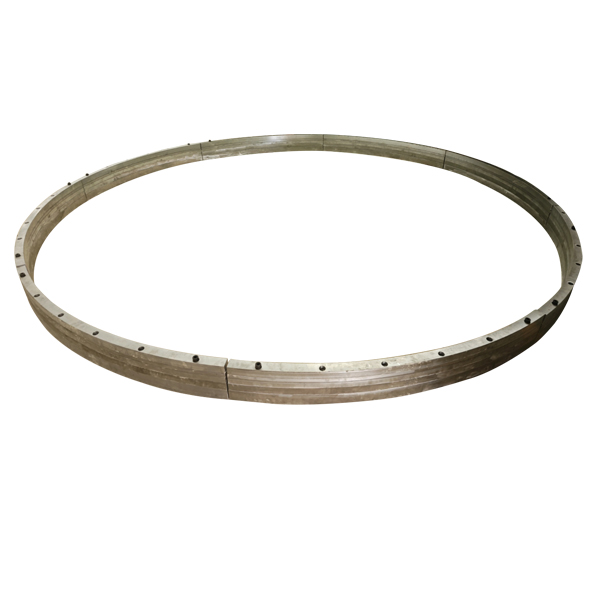
Dam Ring / Retention Ring / Table Dam
VRM Dam Ring for Vertical Roller Mills — High Manganese Steel (Mn13Cr2 / Mn18Cr2) / High Chrome Cast Iron (Cr15 / Cr20 / Cr26) — For Loesche / Pfeiffer / FLSmidth Atox / Polysius / UBE / Sinoma
Dam Ring
Material Specifications & Selection Guide
| Grade | Material | Hardness | Carbide | Life Factor | Application |
|---|---|---|---|---|---|
| Ni-Hard IV | Ni4% + Cr8% (ASTM A532) | 55-60 HRC | 20-28% | 1.0x | Coal mill, raw meal |
| Cr15 | Cr14-17% + C2.4-3.2% | 56-60 HRC | 22-30% | 1.1-1.3x | Limestone, moderate wear |
| Cr20 | Cr18-22% + C2.4-3.2% | 58-62 HRC | 25-33% | 1.3-1.6x | Cement raw meal, standard |
| Cr26 | Cr23-28% + C2.3-3.0% | 58-63 HRC | 28-38% | 1.6-2.0x | Slag grinding, high silica |
| Cr27Mo2 | Cr26-29% + Mo1.5-2.5% | 58-65 HRC | 30-42% | 2.0-2.5x | Cement clinker, high temp |
| Parameter | Range | Tolerance | Feature |
|---|---|---|---|
| Outer Diameter | 1,200-4,500 mm | +5/-0 mm | Matches grinding table |
| Inner Diameter | 1,000-4,000 mm | +0/-5 mm | Clearance for airflow |
| Height / Width | 80-250 mm | +3/-0 mm | Determines bed thickness |
| Thickness | 30-80 mm | +2/-0 mm | Wear allowance |
| Sections / Segments | 4-12 pcs | — | Bolted assembly |
| Bolt Holes | M16-M30 | +0.5/-0 mm | CNC drilled |
| Surface Finish | Ra 6.3-12.5 | — | Cast/machined |
| VRM Brand | Model | Dam Ring Dia. (mm) | Height (mm) | Sections | Material |
|---|---|---|---|---|---|
| Loesche | LM 28.3D | 1,400 | 100 | 4 | Cr15 |
| Loesche | LM 46.4 | 2,400 | 150 | 6 | Cr20 |
| Loesche | LM 56.3+3 CS | 3,000 | 200 | 8 | Cr26 |
| Pfeiffer | MPS 3750 B | 1,600 | 120 | 4 | Cr15 |
| Pfeiffer | MPS 4750 B | 2,000 | 150 | 6 | Cr20 |
| Pfeiffer | MPS 5600 BC | 2,600 | 180 | 8 | Cr26 |
| FLSmidth | Atox 35 | 1,600 | 120 | 4 | Cr15 |
| FLSmidth | Atox 50 | 2,400 | 180 | 6 | Cr20 |
| FLSmidth | OK 42-4 | 2,200 | 150 | 6 | Cr20 |
| Polysius | RM 41/19 | 1,800 | 120 | 4 | Cr15 |
| Polysius | RM 54/27 | 2,600 | 180 | 8 | Cr26 |
| UBE | UM 38.4 | 2,200 | 150 | 6 | Cr20 |
| UBE | UM 50.4 | 2,800 | 200 | 8 | Cr26 |
| Sinoma | TRM 38.4 | 2,200 | 150 | 6 | Cr15/Cr20 |
| Sinoma | TRM 53.4 | 3,200 | 220 | 10 | Cr27Mo2 |
Selection Quick Reference
- Coal mill dam ring (lower abrasion, moderate temp): Ni-Hard IV or Cr15 — most economical for coal and petcoke grinding, height 80-120 mm, 4-6 bolted sections
- Raw meal grinding (limestone + clay, standard abrasion): Cr15 or Cr20 — balanced wear resistance for cement raw material, height 120-150 mm, maintains stable material bed thickness
- Slag grinding / GGBFS (high silica, 30-35% SiO2): Cr26 minimum — high carbide content resists abrasive slag particles, height 180-220 mm for increased bed depth and grinding efficiency
- Cement finish grinding (250-350 C, clinker + gypsum): Cr27Mo2 with Mo content >1.5% — maintains hardness at elevated temperatures, height 180-250 mm for fine product control
- Adjustable dam ring (variable product fineness): Multi-piece segmented design with shim adjustment — allows height modification 20-50 mm to control airflow and material retention time
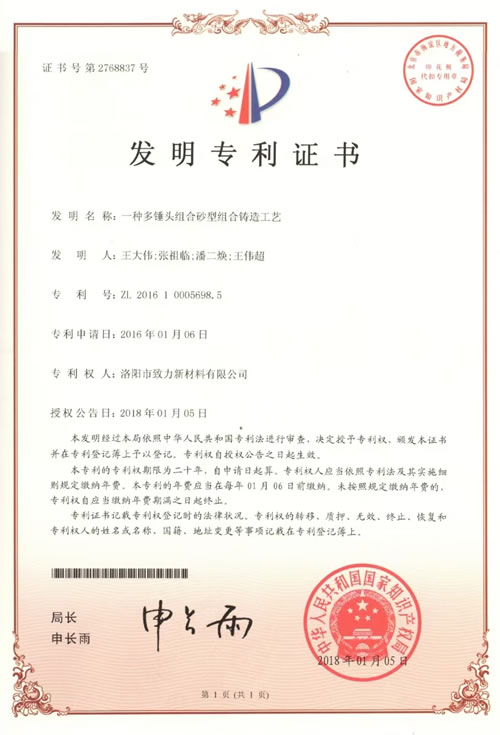
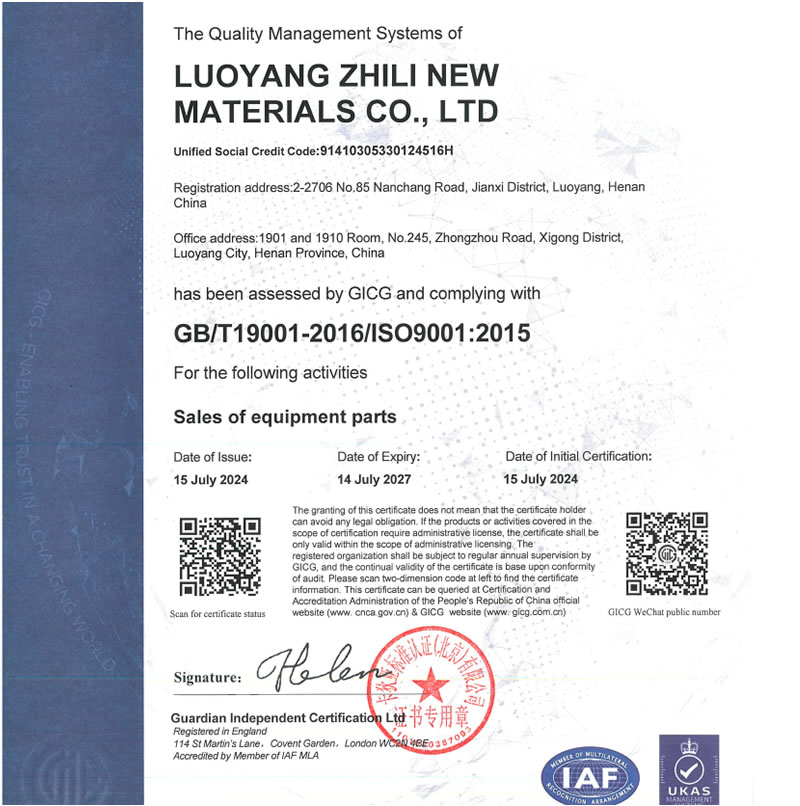
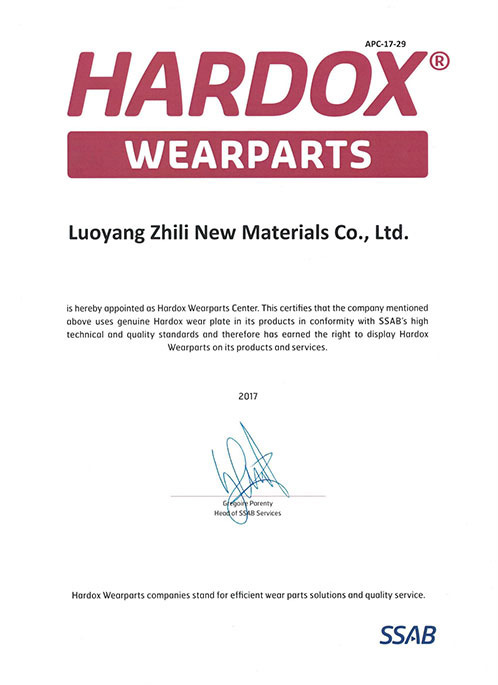
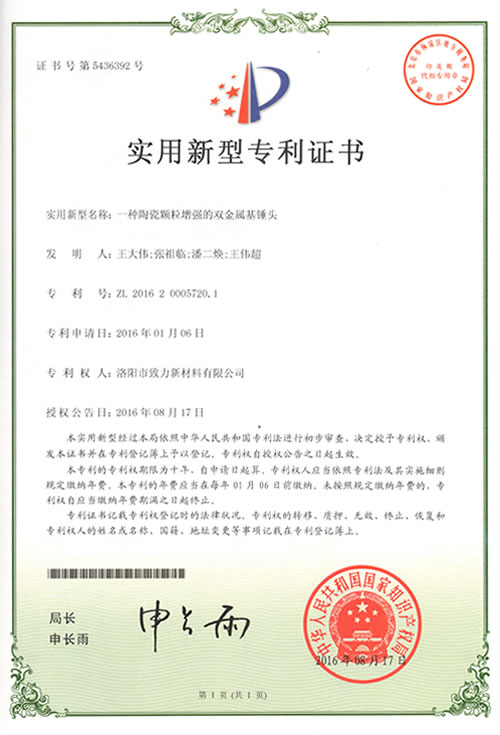
Certifications & Authorizations
Quality you can verify. Partners you can trust.
Custom OEM / ODM
From drawing to delivery — one-stop customization, no minimum order
Send Drawing
Upload your technical drawing (PDF, DWG, STEP, IGES) or share sample photos with dimensions
Engineering Review
Material recommendation, casting process design, DFM analysis — free quotation within 24 hours
Sampling & Test
Prototype production with full inspection: hardness test, spectrometer, dimensional check
Production & Ship
ISO 9001 certified. 15-25 days standard lead time. Global shipping with full documentation
Frequently Asked Questions
The dam ring is the least visible but most process-critical component on a VRM grinding table. It sits on the outer edge and controls how long material stays in the grinding zone:
What happens when the dam ring wears down:
- Material exits too quickly. The grinding zone is the area between the roller and the table. If material overflows the dam ring before it’s been sufficiently ground, you get coarse product regardless of classifier speed. A 20mm reduction in dam ring height can increase D97 by 80-150 microns with no other process change.
- Bed thickness collapses. The dam ring holds material in place on the table. Without sufficient height, the material bed becomes too thin and unstable. The roller starts to contact the table directly (metal-to-metal), causing severe wear to both the roller and the grinding table segments — far more expensive than replacing a dam ring.
- Vibration increases. An unstable bed causes the rollers to bounce, creating vibration. Many plants first discover a worn dam ring through increased vibration monitoring alarms, not through physical inspection.
- Motor power fluctuates. Bed instability causes the motor current to oscillate. A drop of 10-15% in average motor current at the same feed rate is a classic sign.
Proactive dam ring management: Measure ring height at every scheduled shutdown. Replace when height drops below 60% of original specification. Many plants run dam rings until they see product quality problems — by that point, the ring is typically at 40-50% of original height and the bed has been unstable for weeks, causing unnecessary roller and table wear.
Dam ring height is application-specific — there is no universal “correct” height. It must be tuned to your material and operating conditions:
Factors determining optimal dam ring height:
- Feed material grindability: Hard-to-grind materials (high Bond Work Index) need higher dam rings to increase residence time and achieve target fineness. Easy-to-grind materials need lower rings to prevent over-grinding and excessive bed thickness.
- Feed moisture content: Wet feed (moisture >5%) forms a thicker, more cohesive bed — use a lower dam ring to prevent the bed from becoming too thick and causing motor overload. Dry feed (moisture <2%) produces a thinner, more fluid bed — use a higher dam ring.
- Roller grinding pressure: Higher hydraulic pressure compacts the bed more — use a lower dam ring since the material is compressed and flows less freely. Lower pressure needs a higher ring to maintain bed thickness.
- Table speed: Higher table speed (rpm) throws material outward faster — use a higher dam ring to counteract the centrifugal effect and keep material in the grinding zone longer.
The tuning process: Start with the OEM-recommended height for your mill model. Run for 200-500 hours and evaluate: if bed is too thin (motor current below baseline, excessive roller-to-table proximity sensor alarms) → increase ring height by 15-20mm. If bed is too thick (motor current high, product coarse despite higher classifier speed) → decrease ring height by 15-20mm. ZHILI supplies dam rings in incremental heights (10mm steps) so you can fine-tune without committing to a single height.
Understanding the relative wear rates of the three VRM table components is essential for shutdown planning and spare parts inventory:
Typical replacement ratios for a slag-grinding VRM:
- Dam ring: Replace every 6-9 months (4,000-6,000 operating hours). The ring sees the highest abrasive flow rate — all ground material must pass over it to exit the table.
- Grinding roller tires: Rebuild via hardfacing every 2,000-3,000 hours; full replacement when wall thickness drops below 40% of original (typically every 3-5 rebuilds = 6,000-15,000 hours).
- Grinding table segments: Rebuild via hardfacing every 2,500-3,500 hours; full replacement when wear exceeds 60% of original thickness (typically every 4-6 rebuilds = 10,000-21,000 hours).
Why the dam ring wears fastest:
- The dam ring is the last component material touches before exiting the mill. By the time material reaches the dam ring, it has been ground to fine powder — and fine powder flowing at 10-20 m/s is highly abrasive (three-body abrasion).
- The dam ring has the smallest cross-section of any table component. It’s a narrow ring (typically 40-80mm thick at the top edge) exposed to the full flow of ground material. A small amount of material lost (in mm) represents a large percentage of the working cross-section.
- Unlike rollers and tables which can be rebuilt by hardfacing 3-5 times, dam rings are typically replaced as a complete set — the small cross-section makes hardfacing rebuild uneconomical vs replacement with a new ring.
ZHILI spare parts planning recommendation: Keep one complete spare dam ring set in inventory at all times. The dam ring is the #1 unplanned replacement item on VRMs because its wear is harder to monitor than roller/table wear (rollers and tables are visible during inspection; dam ring height requires measurement). A dam ring replacement takes 12-24 hours — having the spare on-site avoids 2-4 weeks of waiting for a custom-cast replacement.
Related Products
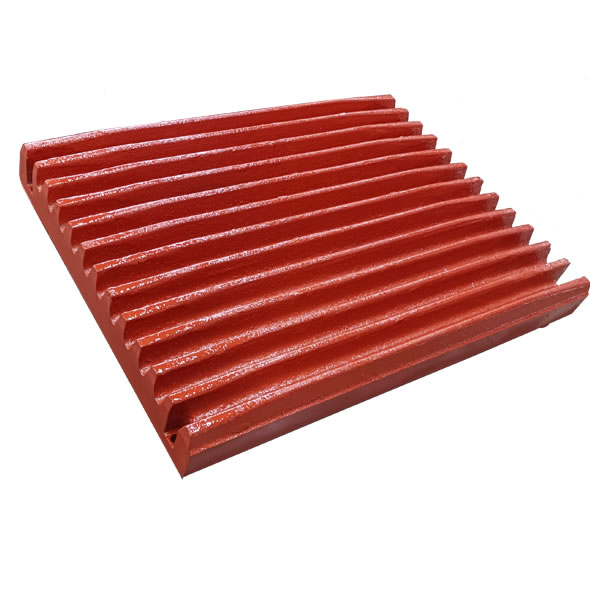
Jaw Plate
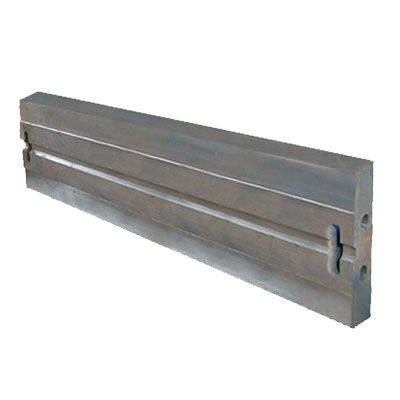
Blow Bar
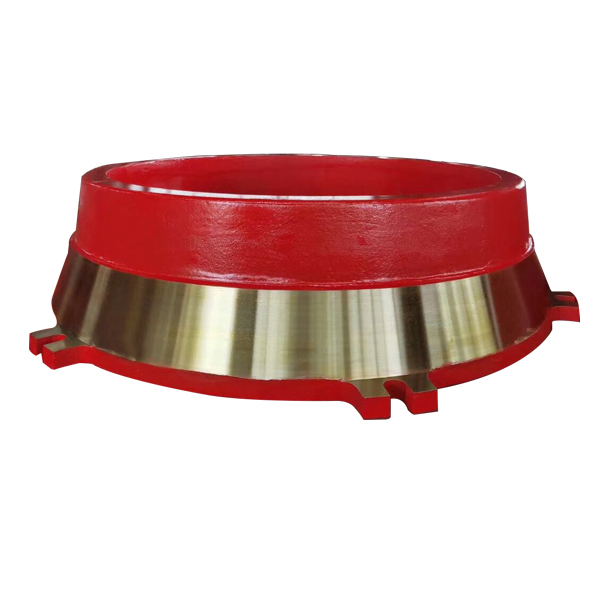
Mantle & Concave
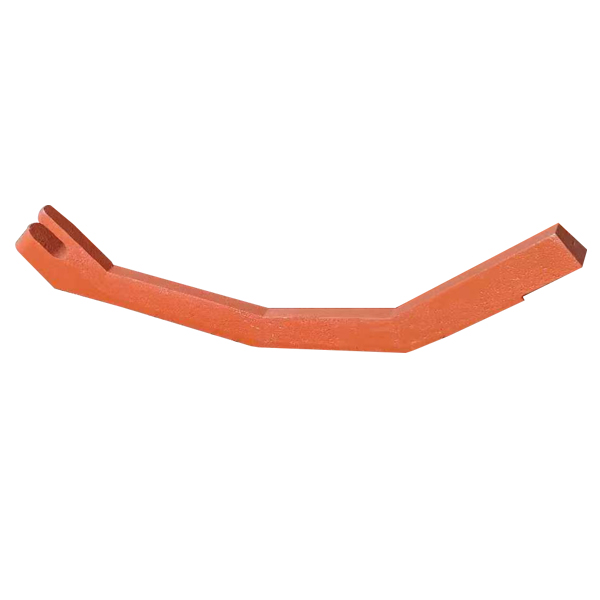
Grate Bar
Contact Us
Get a quote within 24 hours. Send us your inquiry today.

+86 199 8785 7268
Mon-Sat 8AM-10PM CST Scan to chat — English, Spanish, Chinese Send photos of worn parts for instant quote

+86 199 8785 7268
Scan to follow — factory updates and quotes Chat in Chinese or English