

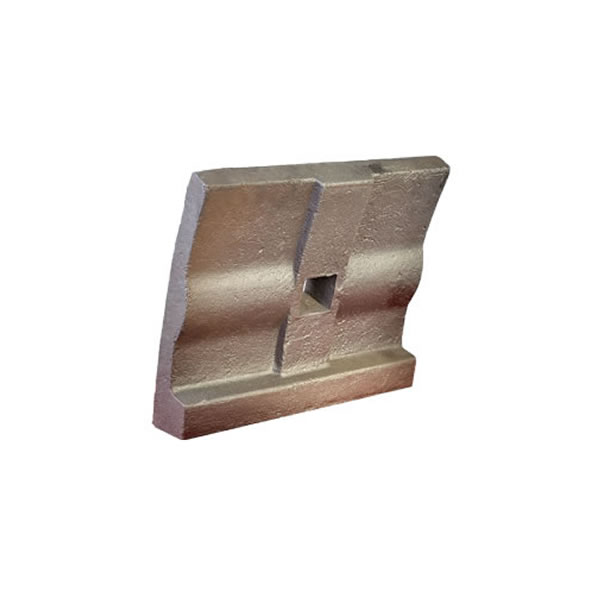
Crusher Liner / Mill Liner
Ball Mill / SAG Mill / AG Mill Shell & End Liners — Shell Liner / Head Liner / End Plate / Grate Liner — Mn13Cr2 / Mn18Cr2 / Cr-Mo Alloy / Rubber-Metal Composite
Ball Mill Liner / Crusher Liner Plate
Material Specifications & Selection Guide
| Grade | Material | Hardness | Impact | Life Factor | Application |
|---|---|---|---|---|---|
| Mn13 | Mn12-14% + C1.0-1.4% | 200-220 HB / 450-550 HB WH | Excellent | 1.0x | Limestone, soft rock, low abrasion |
| Mn13Cr2 | Mn12-14% + Cr2% | 210-230 HB / 500-600 HB WH | Excellent | 1.2-1.5x | Standard duty, jaw/cone liners |
| Mn18Cr2 | Mn17-19% + Cr2% | 220-240 HB / 550-650 HB WH | Superior | 1.6-2.0x | Hard rock, high impact, SAG mills |
| Cr15 | Cr14-17% + C2.4-3.2% | 56-60 HRC | Low | 2.0-2.5x | Ball mills, abrasive, low impact |
| Cr20 | Cr18-22% + C2.4-3.2% | 58-62 HRC | Low | 2.5-3.0x | Cement mills, high abrasion |
| Mill Type | Shell Diameter (m) | Liner Thickness (mm) | Weight/Piece (kg) | Bolt Pattern | Design Feature |
|---|---|---|---|---|---|
| Small Ball Mill | 1.5 – 2.4 | 40 – 60 | 15 – 45 | M20-M24 | Smooth profile, easy install |
| Medium Ball Mill | 2.6 – 3.8 | 50 – 80 | 50 – 120 | M24-M30 | Lifter bars for cascade action |
| Large Ball Mill | 4.0 – 5.5 | 70 – 100 | 150 – 350 | M30-M36 | Wave or step liner profile |
| SAG Mill | 7.0 – 12.2 | 80 – 180 | 500 – 2500 | M36-M42 | Grid / shell / discharge end |
| AG Mill | 6.0 – 10.0 | 60 – 150 | 300 – 1800 | M30-M36 | Feed end, shell, discharge |
| Mill OEM | Model Range | Liner Position | Rec. Grade | Thickness (mm) | Bolt Size |
|---|---|---|---|---|---|
| Metso Outotec | phi3.0-12.2m SAG/Ball | Shell / Feed / Discharge | Mn18Cr2 / Cr20 | 60-180 | M24-M42 |
| FLSmidth | phi2.4-10.0m UMS/OK | First / Second Chamber | Cr20 / Cr26 | 50-120 | M24-M36 |
| Polysius | phi2.6-8.0m RM/RP | Shell / End Liner | Cr15 / Cr20 | 40-100 | M20-M30 |
| Sinoma / CITIC | phi1.5-5.5m | Shell / Partition | Mn13Cr2 / Cr20 | 40-120 | M20-M36 |
| KHD | phi2.2-4.6m COMFLEX | Grinding / Shell Liner | Cr20 / Mn13Cr2 | 50-100 | M24-M30 |
Selection Quick Reference
- Small ball mills (1.5-2.4m, limestone grinding): Mn13Cr2 or Cr15 liners — 40-60 mm thickness, work-hardening surface to 500-600 HB, cost-effective for low-abrasion material, service life 12-24 months
- Medium mills (2.6-3.8m, standard duty): Cr20 high chrome — higher hardness handles abrasion with superior wear resistance, plate thickness 50-80 mm with lifter bars for cascade grinding
- SAG/AG mills (7-12m, ore grinding): Mn18Cr2 or Mn22Cr2 — withstands 100-150 mm steel ball impact and ore abrasion, surface hardness exceeds 550 HB in service, grid/shell/discharge end configurations
- High abrasion (silica, slag, clinker): Cr26 or Cr27Mo2 high chrome — 58-63 HRC with 2.5-3.0x life vs Mn steel, significantly lower wear rate in abrasive cement applications
- Liner design guideline: Wave profile for ball mills improves grinding action; lifter bars for SAG mills enhance cascade effect; smooth surface for finish grinding chambers. Open area 25-40% for partition diaphragms
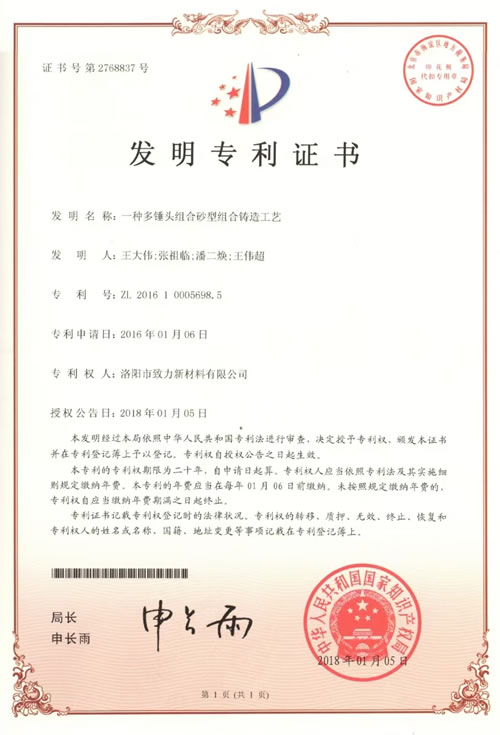
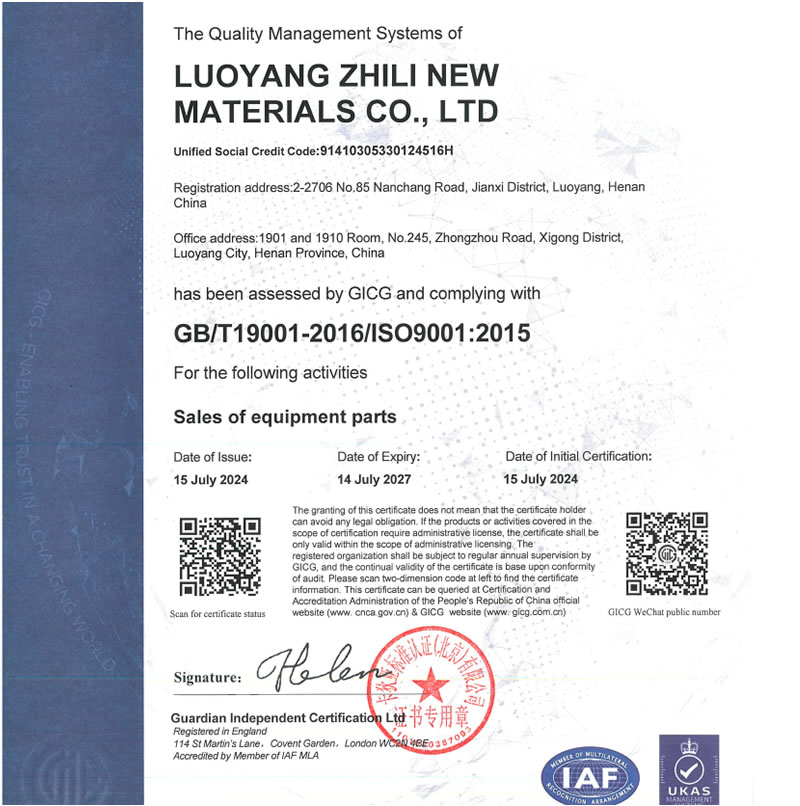
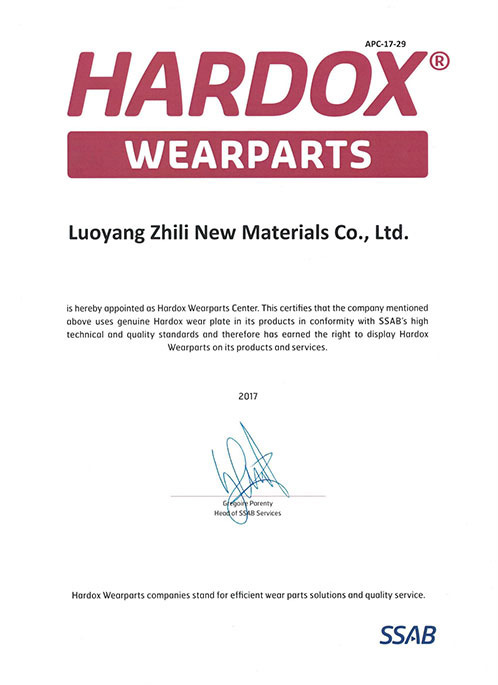
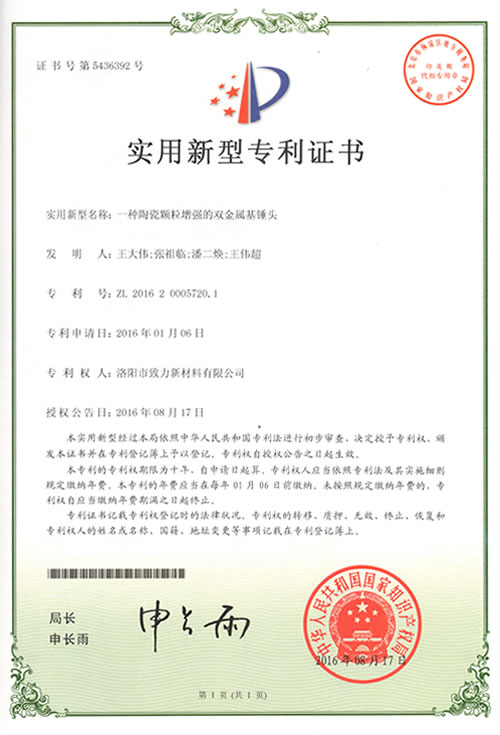
Certifications & Authorizations
Quality you can verify. Partners you can trust.
Custom OEM / ODM
From drawing to delivery — one-stop customization, no minimum order
Send Drawing
Upload your technical drawing (PDF, DWG, STEP, IGES) or share sample photos with dimensions
Engineering Review
Material recommendation, casting process design, DFM analysis — free quotation within 24 hours
Sampling & Test
Prototype production with full inspection: hardness test, spectrometer, dimensional check
Production & Ship
ISO 9001 certified. 15-25 days standard lead time. Global shipping with full documentation
Frequently Asked Questions
Quick answers to common questions about our ball mill liners & crusher liner plates
Material selection balances impact toughness vs. abrasion resistance — the dominant wear mechanism in your specific application determines the best grade:
- High manganese steel (Mn13Cr2, Mn18Cr2, Mn22Cr2) — for impact-dominated wear: Best for jaw crushers, cone crusher mantles, SAG mill liners, and primary gyratory concaves where feed particles >100 mm strike the liner directly. Under impact, the austenitic surface work-hardens from 200-240 HB to 500-650 HB through strain-induced martensitic transformation. Mn18Cr2 and Mn22Cr2 offer 1.6-2.0x longer life vs Mn13 in hard rock. The work-hardened layer is self-renewing as the surface wears away — only Mn steel has this property.
- High chrome white iron (Cr15, Cr20, Cr26) — for abrasion-dominated wear: Preferred for ball mills grinding cement clinker, slag, silica sand, and other hard-abrasive materials where ball impact is cushioned by the material bed. Cr20/Cr26 achieves 58-63 HRC throughout the entire section — hardness does not depend on impact. In high-silica (SiO2 >15%) cement grinding, Cr20 liners routinely deliver 2.5-3.0x longer life vs Mn steel at a 25-40% cost premium. The break-even point occurs when Mn liners last less than 8 months.
- Chrome limitation — never use in these conditions: (a) Feed contains tramp metal (rebar, drill bits) — chrome shatters on impact; (b) SAG mills with >100 mm grinding balls — direct ball-liner impact cracks chrome; (c) Crushers processing demolition waste or recycling material. Chrome is through-hardened and brittle — zero plastic deformation before fracture.
- Practical compromise — mixed configuration: In large ball mills, use Cr20/Cr26 liners in the fine-grinding second chamber (low impact, high abrasion) and Mn13Cr2/Mn18Cr2 in the coarse first chamber (higher impact from large balls). This delivers near-optimal wear life at the lowest total cost per ton milled.
Quick selection rule: If you can hear balls striking liners (audible impact), use manganese. If the mill runs quietly with a material bed cushioning the impact, chrome is the better economic choice. When in doubt, run a 6-month trial with a half-set of each material in the same mill and compare wear rates.
Liner service life varies dramatically by application. Regular wear measurement is the only reliable way to predict replacement timing and avoid unplanned downtime:
- Ball mill liners (cement grinding): Cr20/Cr26 high chrome liners in the second chamber typically last 18-24 months processing Portland cement clinker at 3,200-3,600 Blaine. Mn13Cr2 first-chamber liners last 12-18 months. Key wear indicator: lifter bar height reduction below 40% of original. When lifter bars wear flat, grinding efficiency drops 15-25% because ball cascade action is lost — replace before this point.
- Ball mill liners (ore grinding): Service life of 6-12 months depending on ore hardness (Bond Work Index). Gold/copper ore (Wi 10-15 kWh/t) gives 10-16 months; iron ore (Wi 15-20 kWh/t) gives 6-10 months. Liners in the feed-end zone wear 1.5-2x faster than the discharge end. Critical wear limit: liner thickness below 30-40% of original — bolt heads become exposed and can shear off, causing liner detachment and catastrophic mill damage.
- SAG mill liners: Shell liners last 4-12 months depending on ore abrasiveness and ball charge. Feed-end liners wear fastest (4-8 months). Discharge grates last 12-18 months. Measurement protocol: ultrasonic thickness gauge at 12-16 points per liner piece, every 3 months minimum. Replace when any single measurement falls below 25% of original thickness.
- Crusher liners (jaw / cone / gyratory): Jaw crusher fixed plates last 3-8 months; movable plates last 2-6 months (asymmetric wear). Cone crusher mantles and bowls last 3-12 months. Wear is concentrated in the crushing zone — use a profile gauge template matching the original OEM profile. Replace when the worn profile deviates from template by >25% (reduced capacity and increased recirculation become uneconomical).
Ultrasonic thickness measurement (best practice): Map the liner with a 200×200 mm grid. Record all measurements in a spreadsheet. Plot wear rate (mm/1,000 tons) over time — the curve is typically linear after an initial bedding-in period. When the trend line predicts reaching minimum safe thickness within the next scheduled shutdown, order replacement liners immediately (15-20 day lead time from ZHILI).
Liner installation quality directly determines service life. Studies show that 80% of premature liner failures trace back to installation errors rather than material defects:
- Shell preparation (step 1 — critical): Remove all old rubber backing, rust, scale, and debris from the mill shell surface. Any material trapped under the new liner creates a stress riser — high manganese liners are ductile and will deform around it, but Cr liners will crack. Check shell bolt holes for elongation (common in older mills). Elongated holes (>2 mm oversize) allow liner movement under load, shearing bolts. Repair oversized holes by welding and re-drilling or use oversize bolts matched to the worn hole diameter.
- Bolt installation sequence: Start all bolts finger-tight only. Then tighten in a star/criss-cross pattern from the centre of the liner outward to 50% of final torque. Complete a second pass at 100% torque. This two-stage sequence ensures the liner seats evenly against the shell without warping. Single-pass full-torque tightening can trap a corner-high condition where one edge of the liner sits proud of the shell by 1-2 mm — this gap will close under ball impact and loosen the bolts within hours.
- Nord-Lock wedge-locking washers (non-negotiable): Mill liners experience 15-25 Hz vibration during operation, which will loosen any standard spring washer or flat washer. Nord-Lock washers use cam geometry — the wedge angle exceeds the thread pitch angle, making them physically impossible to loosen under vibration. Use a new pair of washers every liner change. Cost is ~5% of the liner set but prevents 100% of bolt-loosening failures.
- 8-12 hour re-torque (mandatory): After the mill runs for 8-12 hours (or processes ~500 tons), stop the mill and re-torque all bolts to specification. During initial operation, the liner beds into the rubber backing and shell surface, which relaxes bolt preload by 15-30%. Skipping this re-torque is the single most common cause of early bolt loosening and liner loss. Schedule this into the start-up procedure — do not skip it for production pressure.
- Rubber backing / sealing: Install new rubber backing between liner and shell. The rubber absorbs impact shock, compensates for minor shell irregularities, and prevents cement/moisture ingress behind the liner (which causes shell corrosion). Rubber thickness: 6-10 mm for ball mills, 10-15 mm for SAG mills. Apply zinc-based anti-seize compound to bolt threads — this enables accurate torque readings and prevents thread galling during next removal.
Related Products
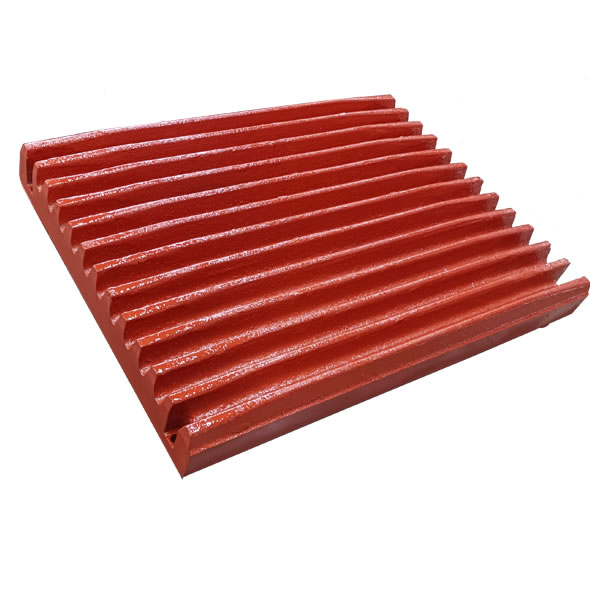
Jaw Plate
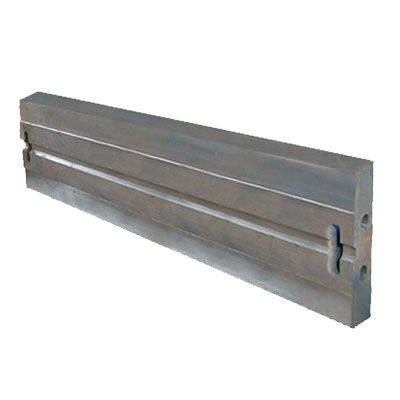
Blow Bar
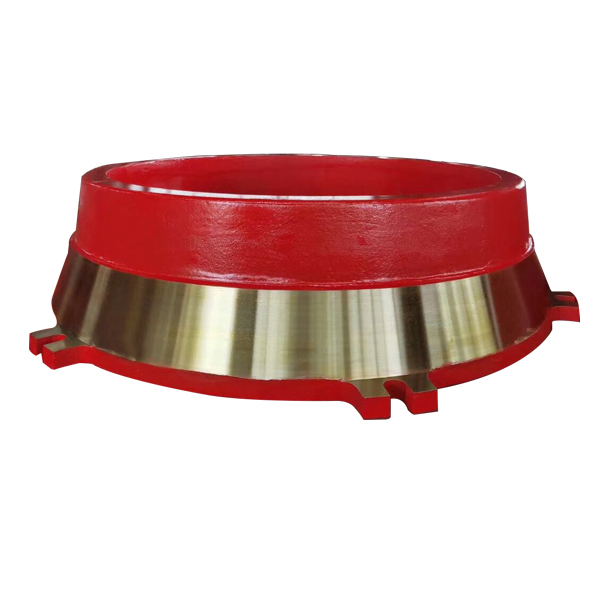
Mantle & Concave
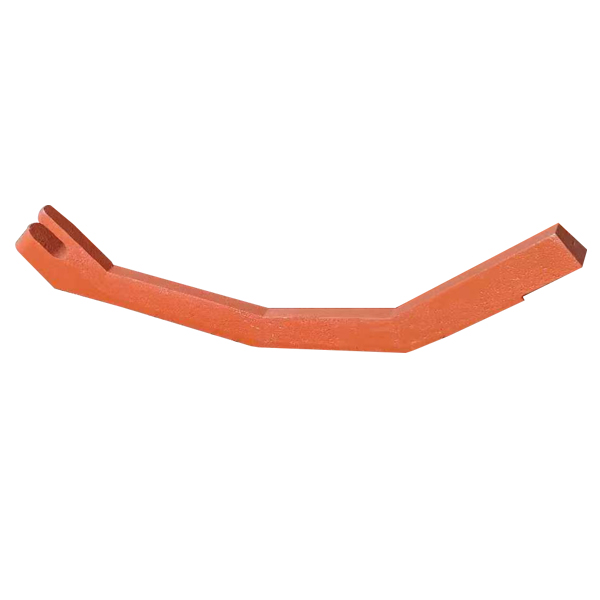
Grate Bar
Contact Us
Get a quote within 24 hours. Send us your inquiry today.

+86 199 8785 7268
Mon-Sat 8AM-10PM CST Scan to chat — English, Spanish, Chinese Send photos of worn parts for instant quote

+86 199 8785 7268
Scan to follow — factory updates and quotes Chat in Chinese or English