

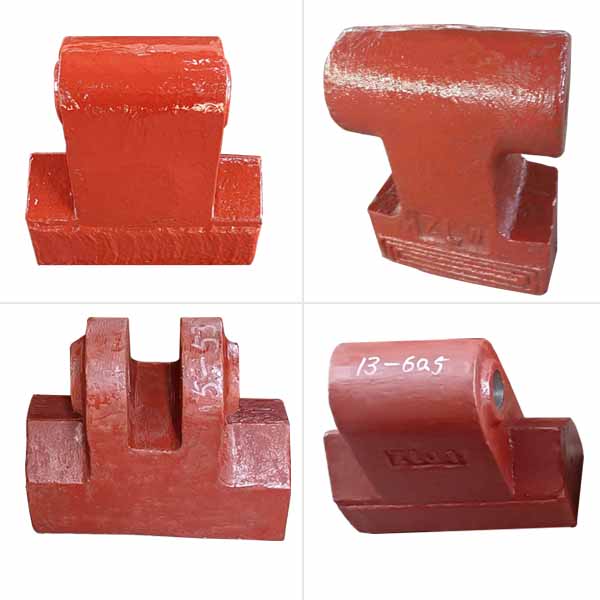
Crusher Hammer Head
Hammer Crusher & Impact Crusher Wear Parts — Mn13 / Mn18 / High Chromium Alloy / Bi-Metallic Composite
Trusted by Holcim, CEMEX, E.Bayer (Germany) and 500+ global clients
Crusher Hammer Head / Hammer Crusher Hammer
Material Specifications & Selection Guide
| Grade | Material | Hardness | Impact | Life Factor | Application |
|---|---|---|---|---|---|
| Mn13 | Mn12-14% + C1.0-1.4% | 200-220 HB / 450-550 HB WH | Excellent | 1.0x | Limestone, soft rock, low impact |
| Mn13Cr2 | Mn12-14% + Cr1.5-2.5% | 210-230 HB / 500-600 HB WH | Excellent | 1.2-1.5x | Standard duty, medium-hard rock |
| Mn18Cr2 | Mn17-19% + Cr2.0-3.0% | 220-240 HB / 550-650 HB WH | Superior | 1.6-2.0x | Hard rock, high impact, iron ore |
| Cr20 | Cr18-22% + C2.4-3.2% | 58-62 HRC | Low | 2.5-3.0x | Cement clinker, high abrasion |
| Cr26 | Cr23-28% + C2.3-3.0% | 58-63 HRC | Low | 3.0-3.5x | Slag, silica, max. abrasion |
| Hammer Type | Weight (kg) | Length x Width x Thick (mm) | Bolt Holes | Striking Face | Mounting Type |
|---|---|---|---|---|---|
| Small | 5-15 | 150-250 x 80-120 x 40-70 | 1x phi25-32 | Flat | Single bolt / pin |
| Medium | 15-35 | 250-400 x 100-150 x 60-100 | 1-2x phi28-40 | Flat / Grooved | Single / double bolt |
| Large | 35-70 | 400-600 x 130-180 x 80-130 | 2x phi36-50 | Grooved / Serrated | Double bolt / embedded |
| Extra Large | 70-150 | 550-800 x 160-220 x 110-170 | 2x phi48-60 | Multi-face / Reversible | Embedded / wedge lock |
| Crusher Model | Rotor Dia. x Width | Hammer Rows | Hammer Weight (kg) | Rec. Material | OEM Ref. |
|---|---|---|---|---|---|
| PC400x300 | 400×300 | 3 | 5-10 | Mn13 / Mn13Cr2 | SBM / Liming |
| PC600x400 | 600×400 | 4 | 8-18 | Mn13Cr2 | SBM / Sanyyo |
| PC800x600 | 800×600 | 4-6 | 15-35 | Mn13Cr2 / Mn18Cr2 | SBM PC800 |
| PCK1000x800 | 1000×800 | 6 | 30-60 | Mn18Cr2 | FLSmidth EV / Hazemag |
| PCH1010 / PCK1200 | 1000-1200 | 6-8 | 40-80 | Mn18Cr2 / Cr20 | Liming PCH / Sinoma |
| PCH1616 | 1600×1600 | 8-10 | 60-150 | Mn18Cr2 / Cr26 | FLSmidth / Sinoma |
Selection Quick Reference
- Soft material (limestone, gypsum, <80 MPa): Mn13 hammers with flat striking face — cost-effective for low-abrasion material. Work-hardened surface to 450-550 HB under impact. Single-bolt/pin mounting for quick change. Hammer life 400-800 hours depending on feed size and moisture
- Medium-hard material (limestone with silica, 80-150 MPa): Mn13Cr2 or Mn18Cr2 hammers with grooved face — chromium-enhanced work hardening for 1.2-2.0x life over Mn13. Double-bolt mounting for secure retention at higher impact loads. Grooved face grips material better
- Hard material (cement clinker, slag, >150 MPa): Cr20 or Cr26 high chrome hammers — through-hardened to 58-63 HRC for maximum abrasion resistance. Use only when impact is low and material arrives pre-sized (<80 mm). Chrome hammers are brittle -- do not use in crushers processing uncrushed oversized feed. Life 2.5-3.5x Mn steel in cement/slag applications
- Hammer rotation (doubles life, zero cost): Most hammer crusher hammers are designed for 180-degree rotation — flip the hammer so the unworn trailing end becomes the new leading end. Rotate every 200-300 hours or when leading edge wears to 30-40% of original thickness. Record rotation in hammer log — replace hammers after 2 full rotations (both ends worn)
- Custom OEM service: Reverse-engineer hammers from your existing worn parts or OEM drawings. ZHILI reproduces exact bolt-hole pattern, striking face profile, and weight for matched-set rotor balance. All hammers in a set are within 0.5% weight tolerance. Delivery 15-20 days for standard grades
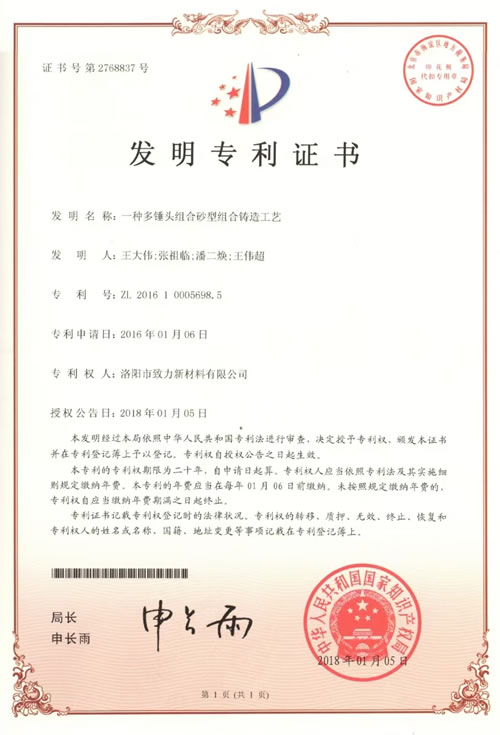
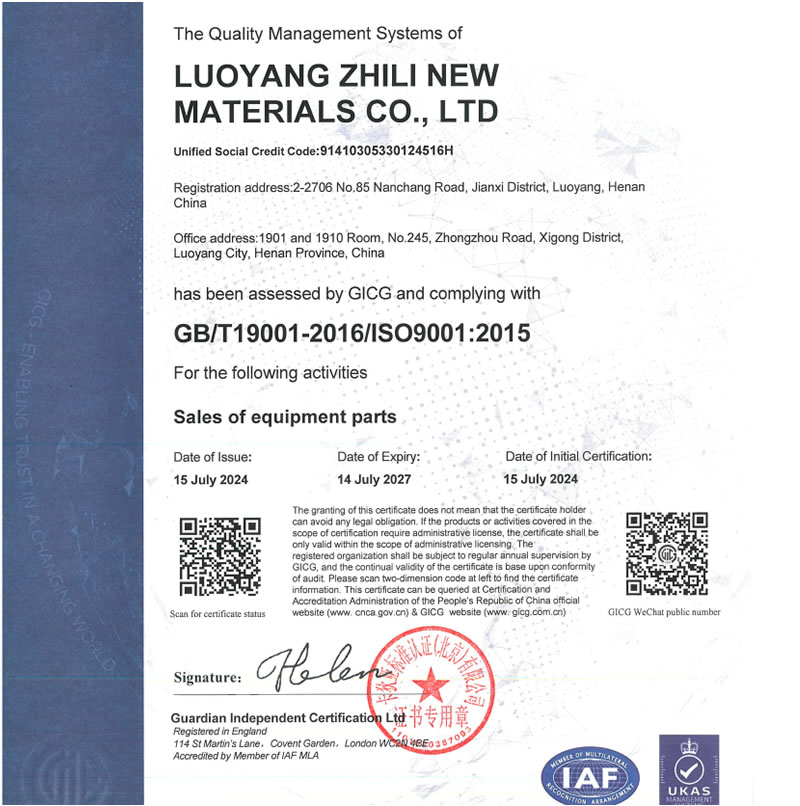
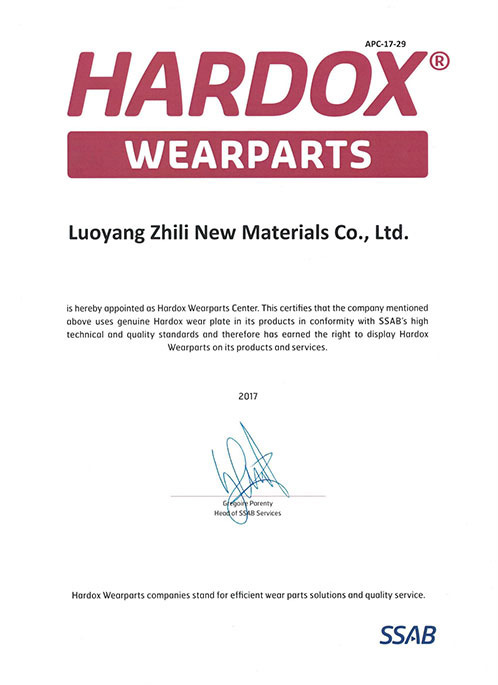
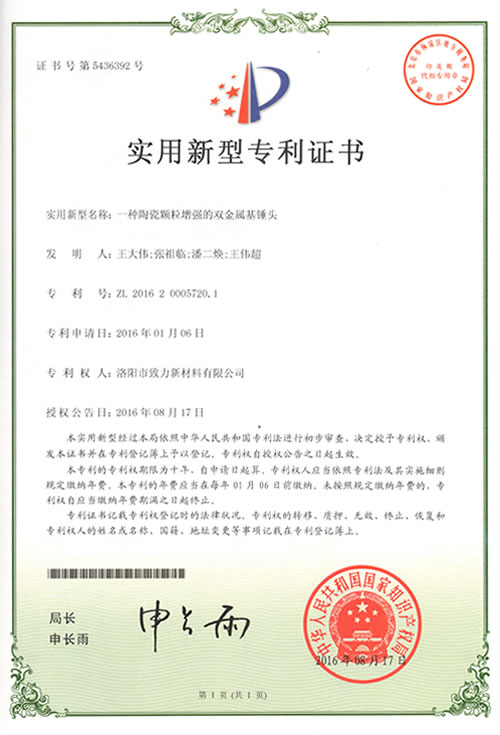
Certifications & Authorizations
Quality you can verify. Partners you can trust.
Custom OEM / ODM
From drawing to delivery — one-stop customization, no minimum order
Send Drawing
Upload your technical drawing (PDF, DWG, STEP, IGES) or share sample photos with dimensions
Engineering Review
Material recommendation, casting process design, DFM analysis — free quotation within 24 hours
Sampling & Test
Prototype production with full inspection: hardness test, spectrometer, dimensional check
Production & Ship
ISO 9001 certified. 15-25 days standard lead time. Global shipping with full documentation
Frequently Asked Questions
Quick answers to common questions about our hammer crusher hammers
Hammer material selection is the single most impactful decision for crusher operating cost. The wrong material either wears out in days (costly replacement) or shatters on impact (dangerous failure):
- High manganese (Mn13, Mn13Cr2, Mn18Cr2) — for impact-dominated crushing: Mn steel hammers are the standard for 80% of hammer crusher applications because the hammer impact energy (50-500 J per strike) is exactly what drives the work-hardening mechanism. Under repeated impact, the hammer surface transforms from 200 HB austenite to 450-650 HB martensite — the harder it works, the harder it gets. This self-renewing hardened layer is ideal for crushers processing limestone, dolomite, and medium-hard rock where the hammer directly strikes large feed particles (100-500 mm). Mn13 for soft rock (<80 MPa), Mn13Cr2 for medium-hard (80-150 MPa), Mn18Cr2 for hard rock (>150 MPa) or when hammer weight exceeds 35 kg.
- High chrome (Cr20, Cr26) — for abrasion-dominated crushing: Chrome hammers are through-hardened to 58-63 HRC — the hardness is uniform through the entire cross-section, not dependent on impact. This makes them ideal for cement clinker and slag grinding where: (a) the material arriving at the hammers is already fine (<50 mm) and impact forces are low; (b) wear is dominated by abrasive sliding of hard particles. Cr20 hammers achieve 2.5-3.0x longer life than Mn13Cr2 in clinker applications. Critical limitation: chrome hammers are brittle (5-10 J/cm2 impact toughness vs. 100-150 J/cm2 for Mn steel). Never use chrome hammers when feed contains particles >80 mm that deliver high impact energy — a single impact from a 100 mm lump can shatter a chrome hammer. The rule: if you can hear the hammers striking the material (audible impact noise), use manganese.
- Cost comparison and payback: Cr20 hammers cost approximately 50-80% more than Mn13Cr2. The payback calculation: if Mn hammers last 3 months in your application, Cr hammers would need to last at least 5.4 months to break even on material cost alone (3 x 1.8 = 5.4). If your Mn hammers last <3 months (e.g., 6-8 weeks in abrasive material), Cr20 is almost certainly the more economical choice — the 2.5-3.0x life extension pays back the premium within months plus eliminates 2-3 hammer changes per year (each costing $5,000-15,000 in downtime). If Mn hammers last >6 months, stick with Mn — the chrome premium does not pay back within a reasonable budget cycle.
- Hybrid approach (best of both worlds): In large crushers (PCK1000+) with multiple hammer rows, install Mn18Cr2 hammers in the first row (where impact from large feed is highest) and Cr20 hammers in the subsequent rows (where material is already reduced and impact is lower). This hybrid setup captures the impact toughness of Mn where needed and the abrasion resistance of Cr where safe. Expected benefit: 1.5-2.0x overall hammer set life at a 25-35% premium over an all-Mn set.
Quick decision rule: Can you clearly see discrete rocks entering the crusher (>50 mm visible particles)? Use manganese — impact is dominant. Is the material a dusty, abrasive powder (cement clinker, slag sand)? Use chrome — abrasion is dominant. Still unsure? Send ZHILI 5 kg of your feed material and we will analyse the particle size distribution, SiO2 content, and abrasion index to recommend the optimal material within 5 working days.
Hammer wear monitoring is critical for crusher performance and rotor balance. Unevenly worn hammers create imbalance that destroys bearings and bends the rotor shaft within weeks:
- Leading edge wear (universal wear pattern): The hammer leading face wears 3-5x faster than the trailing edge because it is the primary striking surface. The leading edge develops a rounded or radiused profile that reduces impact efficiency — the hammer “glances off” the material rather than striking it squarely. Rotation: flip the hammer 180 degrees so the unworn trailing edge becomes the new leading edge. Rotate when the leading edge wears to 30-40% of the original hammer width — do not wait until it is completely worn flat, as the heavily worn side may have developed subsurface micro-cracks that propagate after rotation. Most hammers are designed for two full rotations (using both edges on both ends) before final replacement.
- Hammer weight balancing (critical for rotor health): A hammer crusher rotor with 4-10 rows of hammers distributes hammers in a spiral or staggered pattern. All hammers in a row, and all rows on the rotor, must be within 0.5% weight of each other. A 0.5 kg weight difference between hammers on a 3,000 kg rotor at 800 RPM generates approximately 2,800 N of unbalanced force — enough to reduce bearing life by 30-40%. Procedure: (a) weigh every hammer individually before installation or rotation; (b) pair hammers of equal weight at opposite positions within each row; (c) distribute heavier and lighter rows symmetrically around the rotor circumference; (d) if a replacement hammer is lighter than the set, add a balance washer under the bolt head — never weld weight onto a hammer (heat-affected zone creates a fracture initiation point).
- Uneven wear within a row (row imbalance): Hammers at the rotor centre wear 1.3-1.5x faster than hammers at the edges because gravity-fed material concentrates at the centre. This creates an “hourglass” wear pattern across the rotor width — centre hammers are 15-20% lighter than edge hammers after 200-300 hours. Solution: during rotation, swap centre hammers with edge hammers — move the most-worn hammers to the edge positions and least-worn to the centre. This evens out wear across the full rotor width and allows the entire set to be replaced simultaneously. Keep a hammer position map in the maintenance log to track which hammer was in which position each rotation.
- Replacement decision: A hammer set is ready for final replacement when: (a) both edges on both ends have been worn to 30-40% of original (after 2 full rotations); or (b) the hammer body shows cracking around bolt holes or at the neck (the transition from the striking head to the mounting body). Cracks around bolt holes indicate the hammer is rocking under load and must be replaced immediately — continuing to run a cracked hammer risks it breaking free and destroying the crusher housing and rotor.
Hammer weight log (essential practice): Maintain a simple spreadsheet recording: hammer ID, position (row + column), weight before/after each rotation, hours in service, and any visible cracking. This log reveals wear trends and predicts replacement timing with high accuracy. A hammer losing weight at 0.05 kg/hour for 200 hours will lose 10 kg per rotation — after two rotations it will have lost 20 kg (40% of a 50 kg hammer). The log tells you to order replacement hammers when the trend line shows they will reach the wear limit at the NEXT rotation — giving you 15-20 days lead time (ZHILI delivery) to arrive before the scheduled change.
Hammer installation is a precision safety operation. A single hammer flying off a rotor at 800 RPM exits the crusher at 200+ km/h with enough energy to penetrate the housing and cause catastrophic damage:
- Hammer shaft and bore preparation (step 1): The hammer shaft is the pivot point — all impact force transmits through it. Clean the hammer shaft surface to bare metal — any rust, scale, or old anti-seize build-up prevents smooth hammer swinging. The hammer must swing freely on the shaft for proper impact energy transfer — a sticking hammer absorbs impact energy into the rotor rather than delivering it to the material. Check the hammer bore (the hole through which the shaft passes) for elongation — an oval bore >0.20 mm out-of-round allows the hammer to rock, accelerating bore wear and bolt loosening. Replace hammers with oval bores. Apply a thin film of anti-seize compound to the hammer shaft only (not the bolt threads — anti-seize on bolt threads reduces bolt preload by 15-20% for a given torque).
- Bolt installation — use new bolts every time: Hammer mounting bolts experience the full impact load every strike — 10-20 million impact cycles per year. Re-used bolts have microscopic fatigue damage from previous service that dramatically reduces their remaining life. Use ONLY new grade 12.9 bolts every hammer change — the $50-100 cost of new bolts is trivial compared to the $10,000-50,000 cost of a thrown hammer. Install Nord-Lock wedge-locking washers under every bolt head — these physically cannot loosen under vibration because the cam angle exceeds the thread pitch angle. Tighten bolts in two stages: 50% torque, then 100% torque using a calibrated hydraulic torque wrench. Never use an impact wrench for final tightening — it is not accurate enough for the required 1,200-1,500 Nm. Mark each bolt head with a paint stripe for instant visual loosening detection.
- Re-torque after initial operation (step 3 — non-negotiable): After installing new or rotated hammers, run the crusher for 4-8 hours (or process approximately 200-500 tons), then stop and re-torque all hammer bolts. New hammers bed into the hammer shaft under impact, and the bolt preload relaxes by 10-20%. Skipping this re-torque is the most common cause of bolt loosening and hammer loss — the bolt that was correctly torqued during installation is now 10-20% under-torqued and will continue loosening under vibration. A second re-torque after 50 hours is recommended for large crushers (PCK1000+) where hammer impact forces are highest.
- Hammer swing check (step 4 — final safety verification): After tightening all bolts, each hammer must swing freely through its full arc with no binding or sticking. If a hammer sticks, the bolt is over-torqued and clamping the hammer body against the rotor disc — this prevents the hammer from swinging, which reduces impact efficiency and transmits impact shock directly to the rotor shaft. A sticking hammer also indicates that the hammer bore clearance is too tight or the shaft is bent. Never run hammers that do not swing freely — the combined effect of a non-swinging hammer is 2-3x the impact load on the rotor shaft and bearings, dramatically reducing their life.
Safety protocol (life-critical): A 50 kg hammer at 800 RPM stores approximately 88 kJ of kinetic energy at the tip — enough to penetrate 20 mm of steel plate. Never stand in the plane of rotation during start-up after a hammer change. Use remote vibration monitoring for the first 30 minutes — stop immediately if vibration exceeds 7.1 mm/s RMS. ZHILI supplies matched-weight hammer sets with pre-installed balance washers and new grade 12.9 bolts with Nord-Lock washers as standard — every set arrives ready-to-install with certified individual weights (±0.3% tolerance) and bolt torque specification card.
Related Products
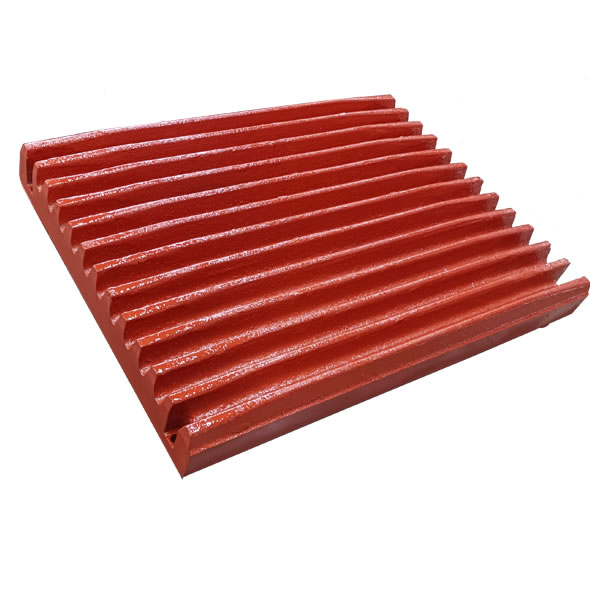
Jaw Plate
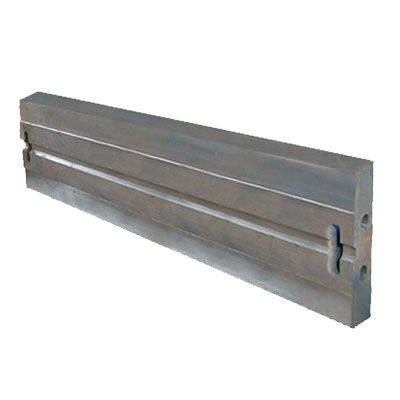
Blow Bar
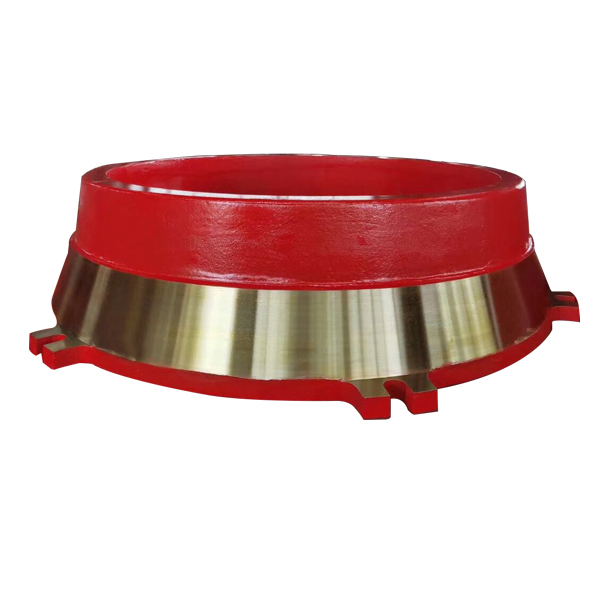
Mantle & Concave
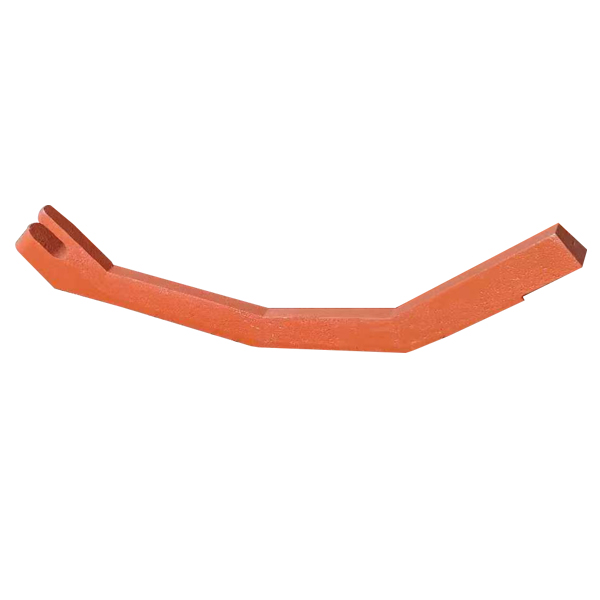
Grate Bar
Contact Us
Get a quote within 24 hours. Send us your inquiry today.

+86 199 8785 7268
Mon-Sat 8AM-10PM CST Scan to chat — English, Spanish, Chinese Send photos of worn parts for instant quote

+86 199 8785 7268
Scan to follow — factory updates and quotes Chat in Chinese or English