

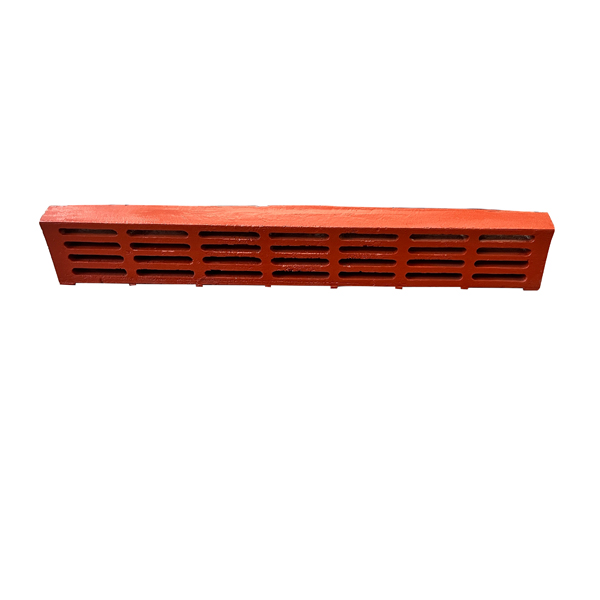
Crusher Grid Plate / Screen Plate
Hammer Mill / Impact Crusher Sizing Grid / Sizing Screen Plate — Long Slot / Square Hole Design — Mn13Cr2 / Mn18Cr2 / High Chrome Alloy / QT500-7
Crusher Grid Plate / Screen Plate
Material Specifications & Selection Guide
| Grade | Material | Hardness | Impact | Life Factor | Application |
|---|---|---|---|---|---|
| Mn13 | Mn12-14% + C1.0-1.4% | 200-220 HB / 450-550 HB WH | Excellent | 1.0x | Limestone, soft rock |
| Mn13Cr2 | Mn12-14% + Cr2% | 210-230 HB / 500-600 HB WH | Excellent | 1.2-1.5x | Standard duty |
| Mn18Cr2 | Mn17-19% + Cr2% | 220-240 HB / 550-650 HB WH | Superior | 1.6-2.0x | Hard rock, high impact |
| Cr15 | Cr14-17% + C2.4-3.2% | 56-60 HRC | Low | 2.0-2.5x | Abrasive, low impact |
| Cr20 | Cr18-22% | 58-62 HRC | Low | 2.5-3.0x | High abrasion |
| Parameter | Range | Tolerance | Feature |
|---|---|---|---|
| Plate Length | 300-1,800 mm | +5/-0 mm | Chamber width |
| Plate Width | 200-800 mm | +3/-0 mm | Single piece |
| Thickness | 30-100 mm | +2/-0 mm | Wear allowance |
| Aperture Type | Slot / Round / Square | +1/-0 mm | Product shape |
| Slot Width | 5-50 mm | +1/-0 mm | Product size control |
| Open Area | 20-45% | +2/-0% | Throughput |
| Weight | 40-600 kg | +5/-0% | Per plate |
| Crusher | Model | Plate Size (mm) | Aperture | Material |
|---|---|---|---|---|
| Hammer Crusher | PC400x300 | 400×250 | Slot 10-15 | Mn13 |
| Hammer Crusher | PC600x400 | 600×300 | Slot 15-20 | Mn13Cr2 |
| Hammer Crusher | PC800x600 | 800×350 | Slot 20-25 | Mn13Cr2 |
| Hammer Crusher | PC1000x800 | 1,000×400 | Slot 25-35 | Mn18Cr2 |
| Hammer Crusher | PC1200x1000 | 1,200×450 | Slot 30-40 | Mn18Cr2 / Cr15 |
| Reversible | PCK1010 | 1,000×400 | Slot 25-30 | Mn18Cr2 |
| Reversible | PCK1416 | 1,400×500 | Slot 35-45 | Mn18Cr2 / Cr20 |
| Single Stage | DPC1412 | 1,400×480 | Slot 30-50 | Mn18Cr2 / Cr15 |
Selection Quick Reference
- Small crushers (PC400-PC800, limestone): Mn13 or Mn13Cr2 grid plates — work-hardening surface to 500-600 HB, slot 10-25 mm for controlled discharge sizing, cost-effective for low-abrasion material
- Medium crushers (PC1000-PC1200, standard duty): Mn13Cr2 or Mn18Cr2 — higher Mn content handles larger feed impact with superior toughness, plate thickness 60-80 mm for extended wear life
- Reversible / single stage crushers: Mn18Cr2 or Cr15 — withstands continuous impact from abrasive materials, bidirectional wear pattern suits reversible rotor design
- High abrasion (silica, slag, clinker): Cr15 or Cr20 high chrome plates — 2.5-3.0x life vs Mn steel in abrasive applications, slot wear rate significantly slower
- Aperture design guideline: Slot-type for cubical product shape, round holes for uniform sizing, square mesh for maximum open area. Open area 25-40% for balance of throughput and plate strength
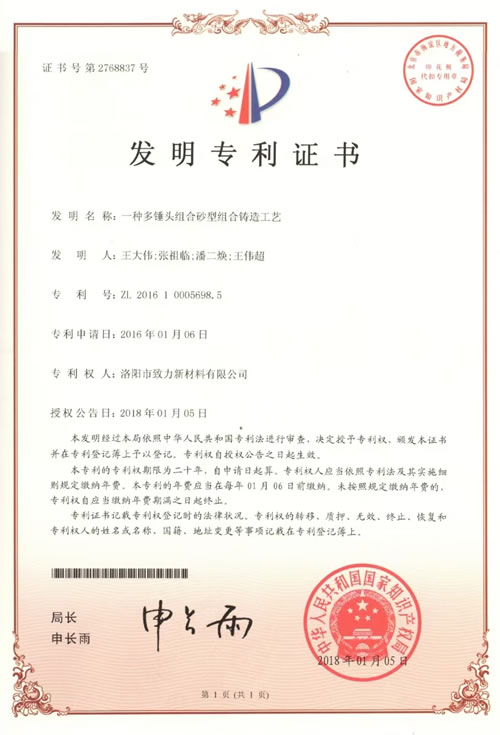
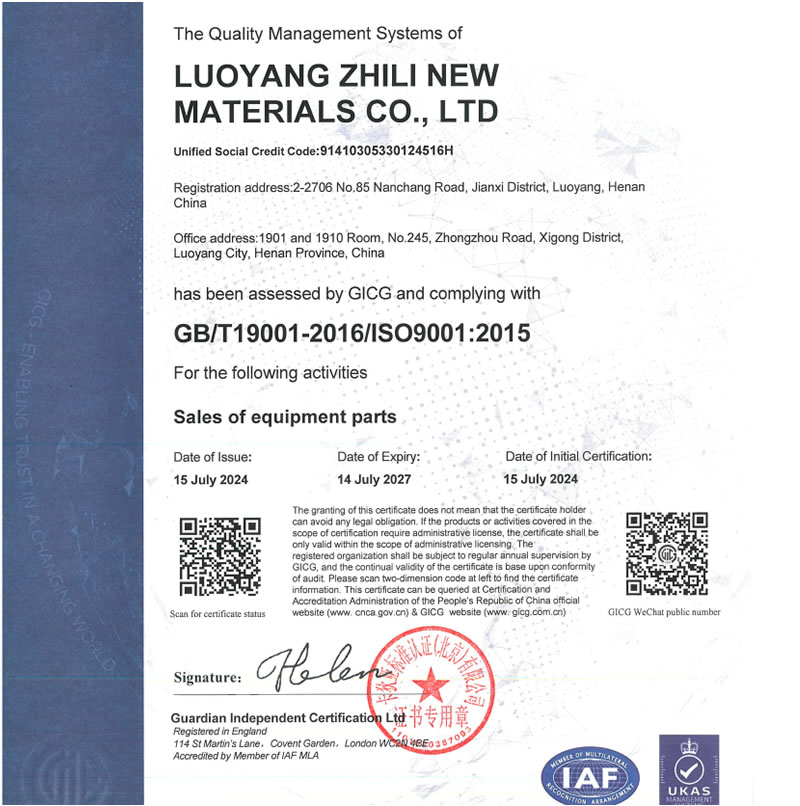
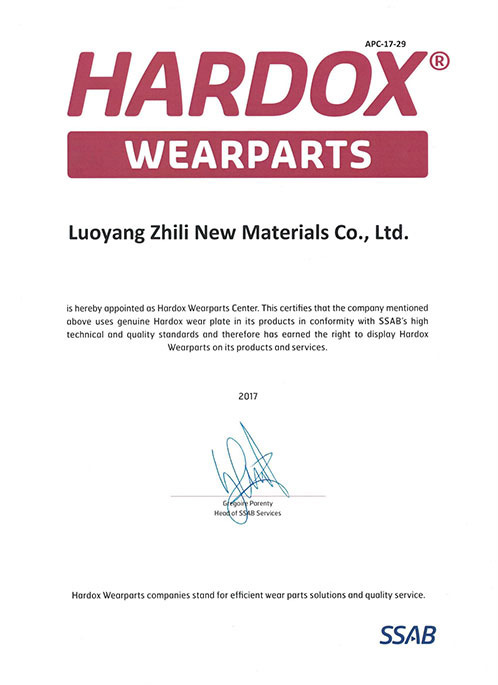
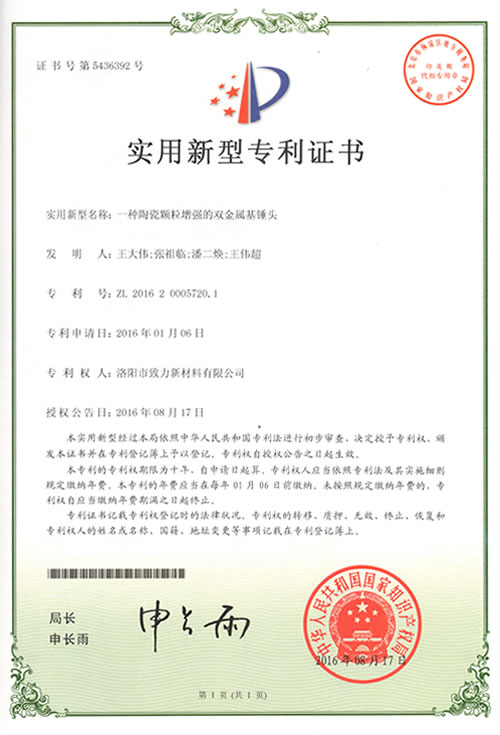
Certifications & Authorizations
Quality you can verify. Partners you can trust.
Custom OEM / ODM
From drawing to delivery — one-stop customization, no minimum order
Send Drawing
Upload your technical drawing (PDF, DWG, STEP, IGES) or share sample photos with dimensions
Engineering Review
Material recommendation, casting process design, DFM analysis — free quotation within 24 hours
Sampling & Test
Prototype production with full inspection: hardness test, spectrometer, dimensional check
Production & Ship
ISO 9001 certified. 15-25 days standard lead time. Global shipping with full documentation
Frequently Asked Questions
Quick answers to common questions about our crusher grid and screen plates
Aperture shape directly affects product shape, throughput, and plate strength. The wrong choice reduces throughput 20-30% or produces off-spec product:
- Slot-type apertures (recommended for most crushed product): Produce cubical particles preferred in construction aggregates (concrete, asphalt). Elongated particles naturally align with the slot and pass through, while oversize is retained for secondary crushing. Open area 25-35% typical. Slot direction should be parallel to material flow for best throughput.
- Round holes (uniform sizing, high abrasion resistance): Produce the most consistent particle size distribution — no elongated bypass. Best for applications requiring strict grading (road base, railway ballast, filter media). Round holes resist stress cracking better than sharp-cornered square mesh. Open area 20-30% typical — lower throughput compensated by size consistency.
- Square mesh (maximum open area): Highest throughput (35-45% open area) but lowest plate strength. Use for soft materials and low-impact applications where plate rupture risk is minimal. Square corners concentrate stress — avoid for high-impact crushers processing hard rock >150 MPa compressive strength.
- Hybrid/zones design: Coarse slot apertures in the high-volume centre zone, finer round holes near the edges. Balances throughput, product quality, and plate strength. Common in large crushers (PC1000+) processing variable feed.
Every percentage point of open area increases throughput — but every percentage point also reduces the plate’s cross-sectional area carrying impact load:
- Open area vs. strength relationship: At 20% open area, the plate retains ~75% of its solid-plate strength. At 35%, strength drops to ~50%. At 45%, strength is critically low at ~35% of solid — any tramp metal impact causes immediate plate fracture. The crack typically propagates from the aperture corners where stress concentrates 3-5x higher than the plate body.
- Material matters: High manganese plates can tolerate higher open area (up to 40%) because the material work-hardens and increases toughness during operation. High chrome plates must stay below 30% open area — chrome has lower impact toughness and crack propagation resistance.
- Web width (critical dimension): The minimum material between adjacent apertures (web) must be at least 1.2x the plate thickness. Example: a 60 mm thick plate must maintain minimum 72 mm between aperture edges. Below this ratio, the web fails in bending fatigue within 500-1,000 operating hours.
- Production impact of reduced open area: A 10% reduction in open area typically reduces crusher throughput by 5-8% — the effect is not linear because particle crowding increases at the remaining apertures. If throughput is critical, increase plate size rather than push open area beyond safe limits.
Field check for web cracking: Run a chisel across the web between apertures after every 1,000 operating hours. A clear ringing sound = sound metal. A dull thud = internal crack propagation. Any web producing a dull sound must be replaced within the next scheduled shutdown — it will fail completely within 200-500 additional hours.
Screen plates wear from both faces simultaneously — impact from above and sliding abrasion from below. Replacement timing balances plate utilisation vs. product quality:
- Aperture enlargement measurement (primary indicator): As the plate wears, aperture width increases. Measure with a caliper at 5 positions per plate. When average aperture width exceeds 120% of original, product P80 increases by 8-15%. Replace when any single aperture exceeds 130% of original — oversize product will violate quality specification.
- Plate thickness measurement (secondary indicator): Measure thickness at the thinnest point between apertures. Replace when thickness drops below 40% of original. Below 50%, the plate loses structural integrity and deflection under hammer impact increases, accelerating further wear and web cracking. A 60 mm plate worn to 24 mm has only ~15% of its original bending stiffness.
- Uneven wear pattern (early warning): Centre plates typically wear 1.5-2x faster than edge plates. Rotate centre plates to edge positions at 50% thickness to equalise wear across the set. A sudden acceleration in wear rate (doubling within 200 hours) indicates a hammer gap problem or feed distribution issue — investigate before replacing plates.
- Never run with a missing plate: A single broken or removed plate creates a 200-800 mm unshielded opening. Material bypasses crushing entirely, entering the discharge stream as complete oversize. More critically, the gap allows hammers to strike adjacent plates at an unsupported edge — this cascades into multiple plate failures within hours.
Related Products
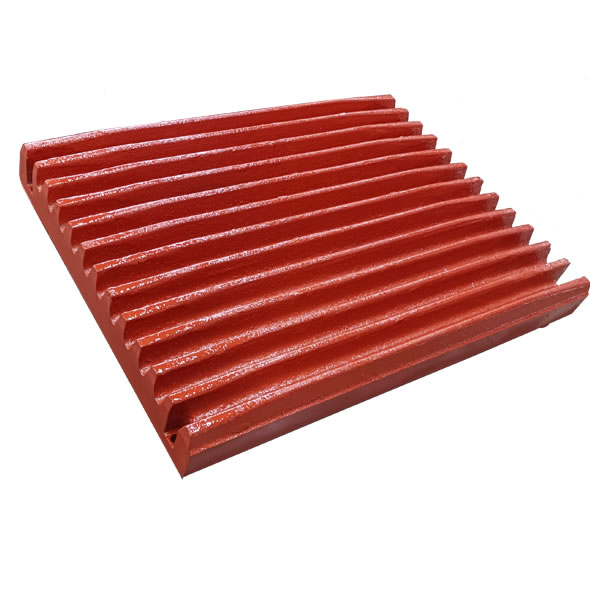
Jaw Plate
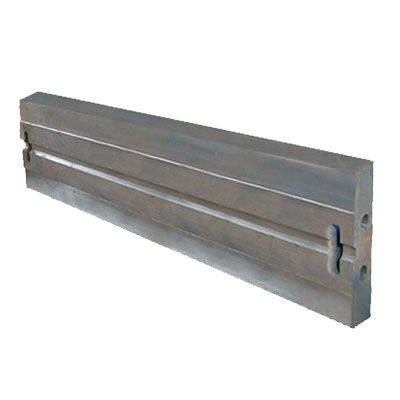
Blow Bar
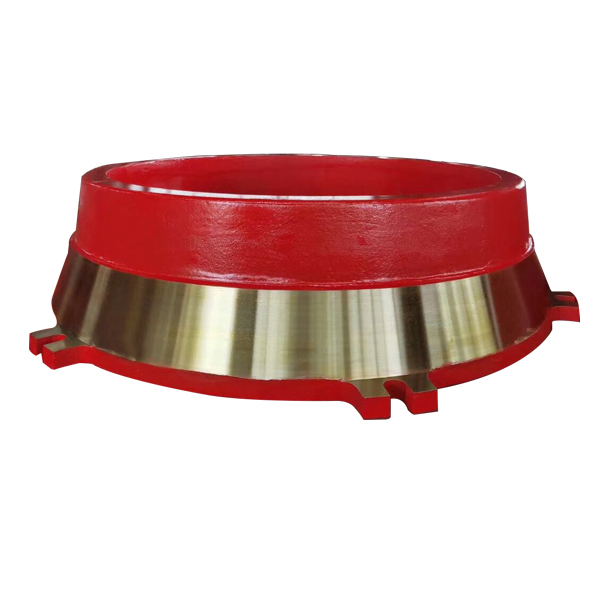
Mantle & Concave
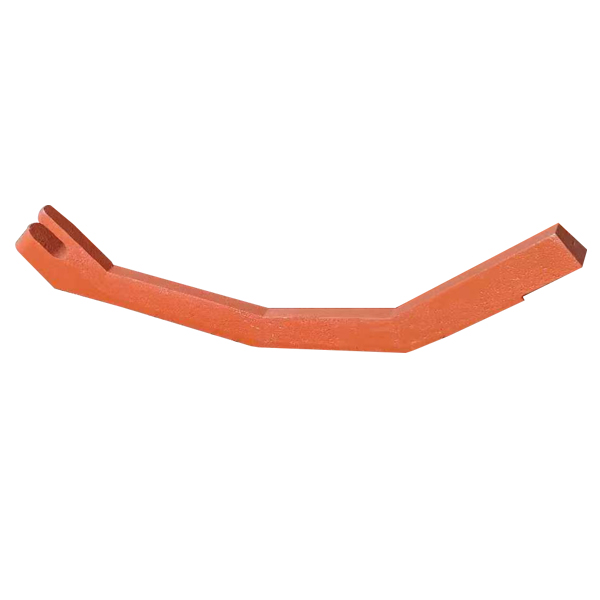
Grate Bar
Contact Us
Get a quote within 24 hours. Send us your inquiry today.

+86 199 8785 7268
Mon-Sat 8AM-10PM CST Scan to chat — English, Spanish, Chinese Send photos of worn parts for instant quote

+86 199 8785 7268
Scan to follow — factory updates and quotes Chat in Chinese or English