

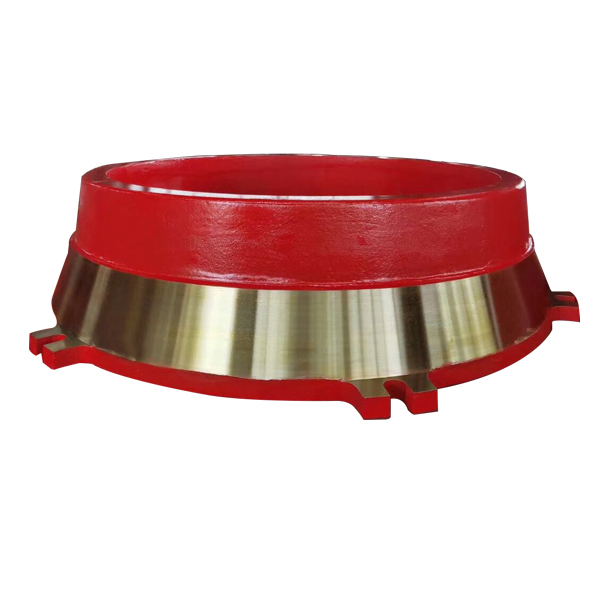
Cone Crusher Bowl Liner
Secondary & Tertiary Cone Crusher Wear Parts — Mantle / Bowl Liner / Torch Ring / Feed Plate — Mn13Cr2 / Mn18Cr2 / Mn22Cr2 / High Chrome / Bi-Metallic Composite
Cone Crusher Bowl Liner / Concave Liner / Mantle
Material Specifications & Selection Guide
| Grade | Material | Hardness (HB) | Work-Hardened (HB) | Impact | Application |
|---|---|---|---|---|---|
| Mn13 | Mn12-14% + C1.0-1.4% | 200-220 | 450-550 | Excellent | Standard duty, soft-medium rock |
| Mn13Cr2 | Mn12-14% + Cr1.5-2.5% | 210-230 | 500-600 | Excellent | Medium-hard rock, abrasive |
| Mn18Cr2 | Mn17-19% + Cr2.0-3.0% | 220-240 | 550-650 | Superior | Hard rock, high impact, primary |
| Mn22Cr2 | Mn20-22% + Cr2.0-3.0% | 230-250 | 600-700 | Superior | Extreme impact, extra-large cones |
| Mn14Mo | Mn12-14% + Mo0.5-1.0% | 210-230 | 480-580 | Excellent | High-temperature, hot feed |
| Crusher Type | Bowl Liner Thickness (mm) | Mantle Thickness (mm) | Cone Angle (deg) | Weight/Bowl (kg) | Weight/Mantle (kg) |
|---|---|---|---|---|---|
| Symons 2ft | 30-50 | 40-60 | 40-45 | 50-80 | 40-70 |
| Symons 3ft / HP100 | 40-60 | 50-80 | 40-45 | 120-180 | 100-160 |
| Symons 4.25ft / HP200 | 50-80 | 60-100 | 40-45 | 250-400 | 200-350 |
| Symons 5.5ft / HP300 | 60-100 | 80-130 | 40-45 | 450-700 | 380-600 |
| Symons 7ft / HP400-500 | 80-130 | 100-160 | 40-45 | 800-1300 | 700-1100 |
| HP700-800 / CS660 | 100-160 | 120-200 | 38-42 | 1500-2500 | 1300-2200 |
| Crusher Model | Cone Dia. (mm) | Bowl Liner Config | Mantle Config | Rec. Material | OEM Ref. |
|---|---|---|---|---|---|
| Symons 2ft | 600 | Standard / Short Head | Standard / Fine | Mn13 / Mn13Cr2 | Metso Nordberg |
| Symons 3ft / HP100 | 900 | Coarse / Medium / Fine | Coarse / Medium / Fine | Mn13Cr2 | Metso / Sandvik CH420 |
| Symons 4.25ft / HP200 | 1200 | Extra Coarse / Coarse / Med / Fine | 4 Configurations | Mn13Cr2 / Mn18Cr2 | Metso HP200 / Sandvik CH430 |
| Symons 5.5ft / HP300 | 1500 | 5 Configurations | 5 Configurations | Mn18Cr2 | Metso HP300 / Sandvik CH440 |
| Symons 7ft / HP500 | 1800 | 6 Configurations | 6 Configurations | Mn18Cr2 | Metso HP500 / Sandvik CH660 |
| HP700-800 / MP800 | 2100-2400 | 7 Configurations | 7 Configurations | Mn18Cr2 / Mn22Cr2 | Metso HP700 / MP800 |
Selection Quick Reference
- Small-medium cone crushers (Symons 2ft-3ft, HP100, CH420): Mn13 or Mn13Cr2 bowl liners and mantles — standard for secondary/tertiary crushing of medium-hard rock. Work-hardened surface layer (500-600 HB) develops under the compressive crushing action. Standard and short-head configurations available. Mn13Cr2 recommended for abrasive ore (quartz, granite)
- Large cone crushers (Symons 4.25ft-5.5ft, HP200-HP300, CH430-CH440): Mn18Cr2 — the higher manganese content (18%) with chromium (2%) delivers superior work-hardening response under heavy compressive loads. Bowl liner and mantle available in 4-5 cavity configurations (Extra Coarse to Fine) to match feed size and product requirements
- Extra-large cone crushers (Symons 7ft, HP400-HP500, CH660): Mn18Cr2 or Mn22Cr2 — for primary/secondary crushing in large mining operations processing 500-2,000 t/h. The extreme impact and compressive forces demand the highest work-hardening grade. Multiple cavity configurations (6-7) for precise product size control from 6 mm to 50 mm
- High-temperature applications (hot feed, asphalt recycling): Mn14Mo with molybdenum addition — Mo retains hot hardness and resists softening when bowl liner temperature exceeds 200 C from hot feed material. Mo also improves yield strength at elevated temperature, reducing plastic deformation (mushrooming) of the crushing surface
- Custom OEM service: Reverse-engineer bowl liners and mantles from your existing worn parts or OEM drawings. ZHILI reproduces exact cavity profile, seating angle, and mounting lug geometry to 1:1 OEM precision. Multiple cavity configurations (Standard, Medium, Fine, Extra Fine) available for every cone model. Material grade upgraded based on your wear data. Delivery 15-20 days
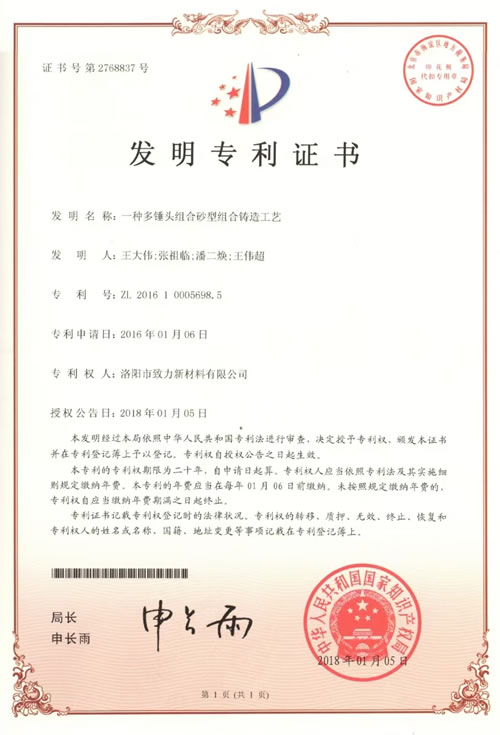
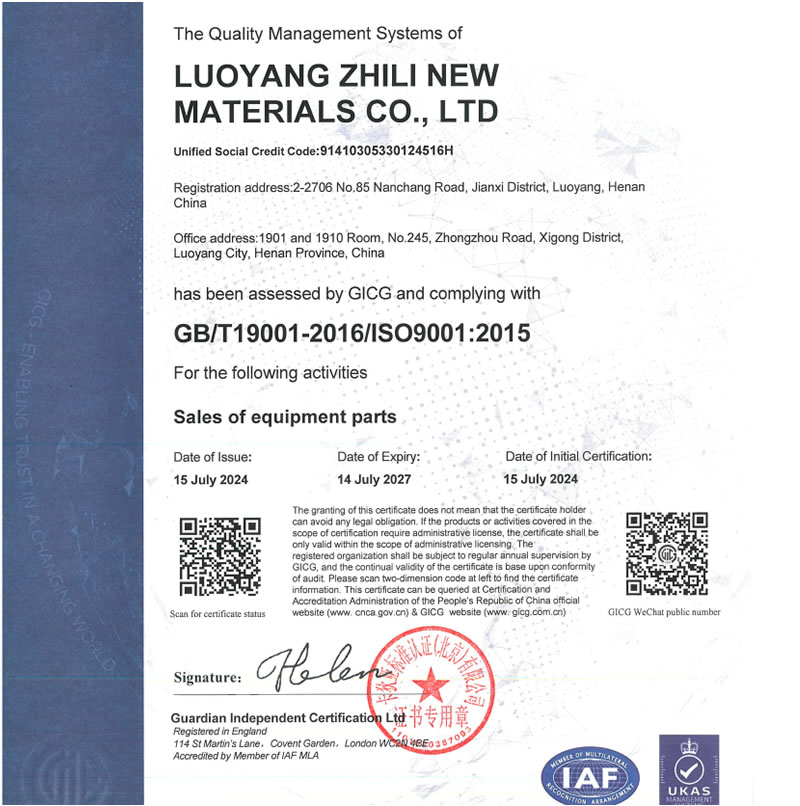
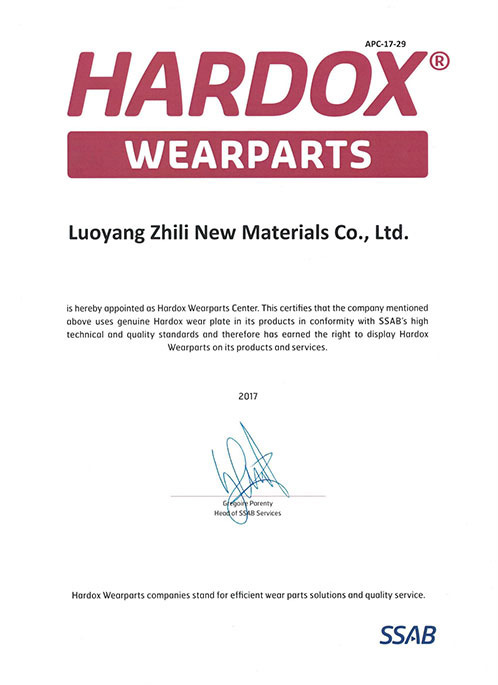
Certifications & Authorizations
Quality you can verify. Partners you can trust.
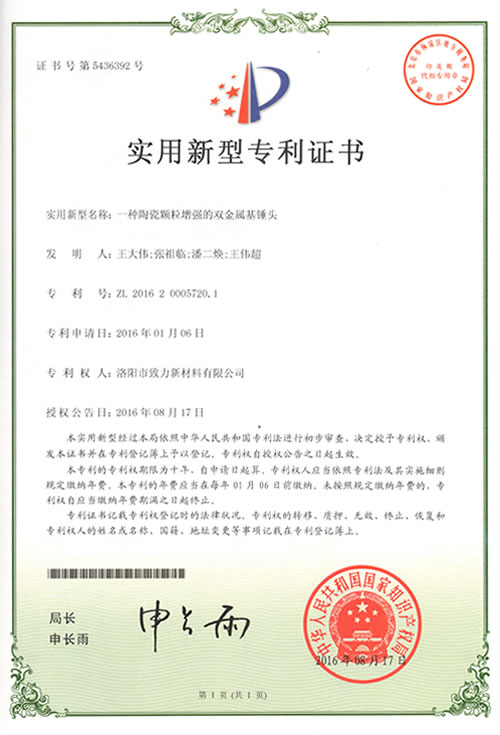
Custom OEM / ODM
From drawing to delivery — one-stop customization, no minimum order
Send Drawing
Upload your technical drawing (PDF, DWG, STEP, IGES) or share sample photos with dimensions
Engineering Review
Material recommendation, casting process design, DFM analysis — free quotation within 24 hours
Sampling & Test
Prototype production with full inspection: hardness test, spectrometer, dimensional check
Production & Ship
ISO 9001 certified. 15-25 days standard lead time. Global shipping with full documentation
Frequently Asked Questions
Quick answers to common questions about our cone crusher bowl liners & mantles
Cone crusher liner selection involves two interdependent decisions: material grade for wear life and cavity profile for product size control. Getting either wrong costs production:
- Mn13 / Mn13Cr2 (standard, 60% of applications): Mn13 is the benchmark for cone crusher liners in secondary and tertiary crushing of limestone, dolomite, and medium-hard rock (compressive strength <150 MPa). The bowl liner and mantle surfaces work-harden from 200 HB to 450-550 HB under the compressive crushing action. Mn13Cr2 (chromium-enhanced) extends life 1.2-1.5x by forming finer, harder deformation twins in the work-hardened layer — particularly effective in abrasive quartz-bearing rocks. For most aggregate operations crushing granite or basalt, Mn13Cr2 is the optimal balance of cost and life.
- Mn18Cr2 / Mn22Cr2 (heavy duty, 30% of applications): Higher manganese (18-22%) with chromium (2-3%) delivers superior work-hardening capacity and deeper hardening penetration. Under the extreme compressive forces in large cone crushers (HP500-800, Symons 7ft), the work-hardened layer reaches 550-700 HB to a depth of 5-10 mm — compared to 3-5 mm for Mn13. This deeper hardened layer means the liner maintains its wear-resistant surface for longer before the softer core material is exposed. Mn22Cr2 for primary gyratory cones and mines processing 1,500-2,500 t/h where a liner change costs $50,000+ in lost production — the $15-25% material premium is trivial compared to extending change intervals from 3 months to 5 months.
- Cavity configuration (equally important as material): Cone crushers offer 4-7 cavity profiles per model. Standard/Coarse cavities have a wider feed opening (50-200 mm) and produce larger product (25-50 mm). Medium/Fine cavities have a narrower opening and tighter parallel zone for finer product (10-25 mm). Short-head/Extra-fine cavities for tertiary/quaternary crushing produce sand and fine aggregate (3-13 mm). Critical rule: a Fine cavity profile in Mn13 lasts longer than a Coarse profile in Mn22Cr2 because the wear is distributed over a longer crushing surface. Match cavity to product size FIRST, then upgrade material for additional life. Never run a Coarse cavity with Fine product targets — it overworks the material and accelerates liner wear 2-3x.
- Mixed configuration strategy: The bowl liner and mantle do not wear at the same rate — the mantle typically wears 1.2-1.5x faster because it experiences both compressive and sliding wear, while the bowl sees primarily compressive wear. A cost-optimised approach: install a Mn18Cr2 mantle (faster-wearing part) with a Mn13Cr2 bowl (slower-wearing part). This equalises the wear rate so both are replaced simultaneously, reducing total crusher openings. Expected savings: 10-15% on liner cost per ton crushed.
Quick selection rule: Step 1 — select cavity profile based on target product size (Coarse 25-50 mm, Medium 10-25 mm, Fine 5-13 mm). Step 2 — select material grade based on ore abrasiveness: limestone → Mn13, granite/basalt → Mn13Cr2, iron ore/hard rock → Mn18Cr2, extreme duty → Mn22Cr2. Step 3 — if mantle wears >30% faster than bowl, upgrade mantle one material grade while keeping bowl at the base grade. Need help? Send ZHILI your worn liners — we analyse the wear pattern and recommend the optimal material/cavity combination.
Uneven liner wear is the #1 cause of premature cone crusher liner change. It reduces product quality and can force liner replacement when only 30% of the liner is worn — because the worn 30% controls product size:
- Uneven wear around the circumference (most common pattern): The mantle wears asymmetrically — the side receiving the bulk of the feed wears 2-3x faster than the opposite side. This creates an oval crushing chamber where the CSS (Closed Side Setting) varies around the circumference — 20 mm on the worn side but 35 mm on the unworn side. The crusher produces oversized product through the wide side while over-crushing on the narrow side. Root cause: eccentric feed distribution — the feed chute or surge bin delivers material preferentially to one side. Fix: (a) install feed distribution spider arms or a rotating feed distributor; (b) rotate the mantle 180 degrees at mid-life (if bolted, not threaded installation) to equalise wear. Symptom: product size variability increases (P80 deviation >15%) despite CSS remaining unchanged.
- Accelerated wear in the parallel zone (bottom third of the crushing chamber): 80% of the crushing work occurs in the final 20-30% of the chamber — the parallel zone where the bowl liner and mantle are closest together. This zone wears 3-5x faster than the upper chamber. When the parallel zone wears flat, the crushing action changes from compression to sliding, producing excessive fines and consuming 20-30% more power. Detection: CSS drifts larger even though the adjustment ring has not moved — the liners have worn at the contact zone. Use a lead plug test (drop a soft lead slug through the crusher and measure its thickness = actual CSS) vs. the hydraulic CSS indicator. If lead plug CSS is >2 mm larger than indicated CSS, the liners are worn in the parallel zone and need replacement.
- Localised wear grooves (ring wear): A circumferential groove worn into the bowl liner at the point of maximum compression. This occurs when the crusher processes material with a narrow size distribution — the same-sized rock impacts the same zone of the liner repeatedly. Once the groove reaches 25-30% of the liner thickness, it creates a bypass path where material can slide through without being crushed. Detection: feel the bowl liner surface through the inspection hatch during shutdown — any groove deeper than 15 mm requires liner replacement. Prevention: vary the feed size distribution — mixing fine and coarse feed distributes wear across the entire crushing surface.
- Mantle-to-bowl wear imbalance: When the mantle wears significantly faster than the bowl, the crusher eccentric throw becomes asymmetrical. The mantle (mounted on the eccentric) moves in a gyrating path — a worn mantle travels a larger path radius, changing the crushing dynamics. Rule of thumb: replace both bowl and mantle when the mantle has worn to 25% of original thickness in any zone, even if the bowl still has 50% thickness remaining. A worn bowl can run with a new mantle (acceptable emergency practice), but a worn mantle must never run with a new bowl — the worn mantle’s altered motion path will damage the new bowl within days.
Replacement timing — the 25% rule: Measure bowl liner and mantle thickness at 3 vertical positions x 4 radial positions (12 measurements per liner) with an ultrasonic thickness gauge every 500 hours. Replace when the thinnest measurement in the parallel zone (bottom third) reaches 20-25% of original thickness — regardless of how much wear remains elsewhere. Running to 10% risks a liner punch-through — a catastrophic failure where the backing material is exposed and the liner breaks apart, lodging chunks in the crushing chamber and damaging the main shaft and eccentric assembly.
Cone crusher liner installation is precision work. A 1 mm error in bowl liner seating changes the CSS by approximately 2-3 mm due to the cone angle geometry — and a loose mantle destroys the mantle seat which is part of the main shaft (irreplaceable without shaft replacement):
- Bowl liner installation (top liner, stationary): The bowl liner sits inside the bowl (adjustment ring) and is secured by the bowl hopper or clamping ring. Procedure: (1) Clean the bowl seat surface to bare metal — any old backing material, rust, or debris prevents the liner from seating flat. A liner sitting 1 mm proud of the seat on one side changes the CSS by 2-3 mm. (2) Apply a continuous bead of epoxy backing compound (e.g., Nordbak, Belzona) to the bowl seat — the backing fills micro-gaps and distributes the crushing load evenly. (3) Lower the liner into the bowl and seat it with firm, even pressure — use the bowl hopper bolts tightened in a cross pattern to 50% torque, then 100%. (4) Allow the backing compound to cure for 8-12 hours at ambient temperature (longer below 15 C) before tightening the bowl hopper to final torque. Do not rush the cure with external heat — this causes the outer epoxy to harden while the inner remains fluid, creating voids.
- Mantle installation (bottom liner, moving — more critical than bowl): The mantle is a press-fit or threaded-fit on the main shaft head. Procedure: (1) Clean the main shaft head surface to bare metal — any oil, grease, or old backing prevents adhesion and the mantle will spin on the shaft head. (2) Apply a generous, even coat of epoxy backing compound to both the shaft head and the mantle inner surface. (3) Seat the mantle using the crusher’s hydraulic system or a torque multiplier — this must be done in one continuous motion. If the mantle stops partway and cools, the epoxy begins curing and it cannot be re-seated. (4) Tighten the mantle retaining nut/ring to OEM specification — typically 10,000-30,000 Nm for large crushers (hydraulic torque wrench required — impact wrenches are not accurate enough). An under-tightened mantle nut is the #1 cause of mantle loosening — the nut backs off under vibration, the mantle shifts, and the backing compound shears.
- Epoxy backing compound (critical, non-negotiable): Never install cone crusher liners without backing compound. The backing serves three functions: (a) fills the irregular gap between the cast liner and the machined seat — without backing, the liner contacts at 3-5 high points, creating 10-20x stress concentration at those points; (b) damps impact and vibration — uncushioned liners transmit impact shock directly to the main shaft and eccentric bearings; (c) provides a release layer — the backing is softer than the steel, making future liner removal possible without gouging the shaft or bowl seat. Use only crusher-specific epoxy compounds rated for 120 MPa compressive strength and 200 C service temperature. A 5 kg kit costs $200-400 — the cost of NOT using it is a $10,000-30,000 main shaft replacement when a loose mantle gouges the shaft.
- Post-installation check and first-hour monitoring: After the backing has fully cured (8-12 hours minimum): (a) verify the bowl liner is centred by measuring the gap between the bowl liner and mantle at 4 radial positions around the bottom — maximum variation must be <2 mm; (b) check the mantle nut torque has not relaxed (up to 10% relaxation is normal as epoxy settles); (c) run the crusher empty at slow speed for 15 minutes — listen for any knocking or scraping (indicates loose mantle or misaligned bowl); (d) crush 50-100 tons of material, then stop and re-verify CSS with a lead plug at 4 positions — adjust bowl position if CSS varies by >3 mm between positions. This confirms the liners are fully seated and the backing has bedded in under load. Record all measurements in the crusher maintenance log for trend analysis.
ZHILI installation kit: Every ZHILI cone crusher liner set includes: (1) the correct quantity of OEM-grade epoxy backing compound (pre-measured for your crusher model — no waste, no shortage); (2) bowl liner installation shims for centring; (3) a step-by-step installation checklist with torque values specific to your crusher model; (4) anti-seize compound for threaded mantle nuts. The kit takes the guesswork out of installation, reducing liner change time from 8-12 hours to 4-6 hours and eliminating the three most common installation errors.
Related Products
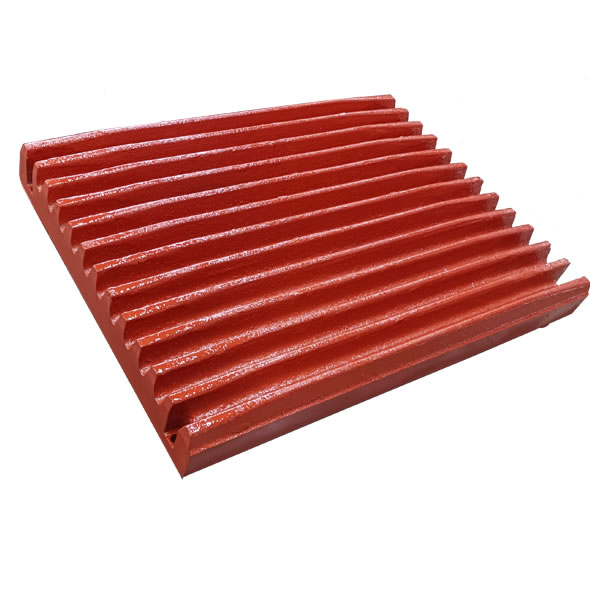
Jaw Plate
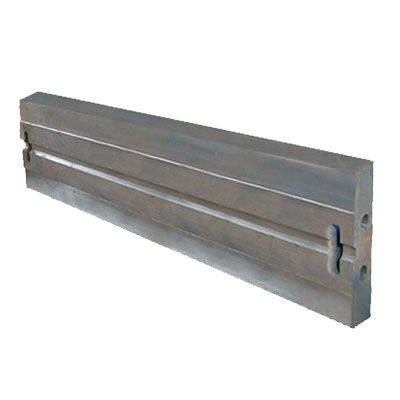
Blow Bar
Mantle & Concave
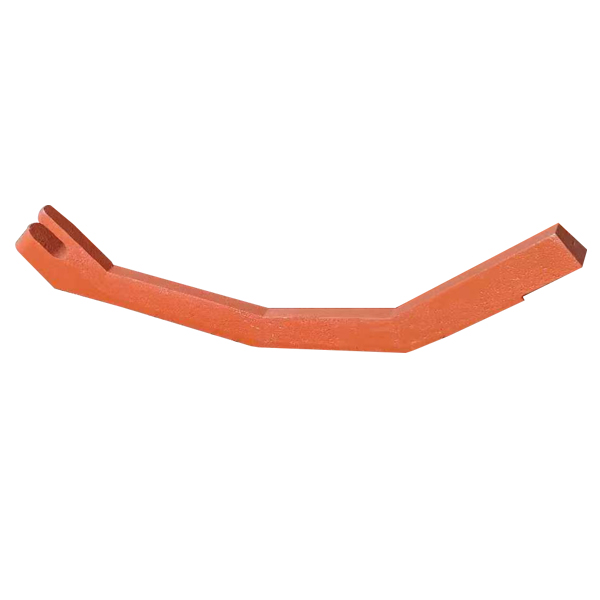
Grate Bar
Contact Us
Get a quote within 24 hours. Send us your inquiry today.

+86 199 8785 7268
Mon-Sat 8AM-10PM CST Scan to chat — English, Spanish, Chinese Send photos of worn parts for instant quote

+86 199 8785 7268
Scan to follow — factory updates and quotes Chat in Chinese or English