

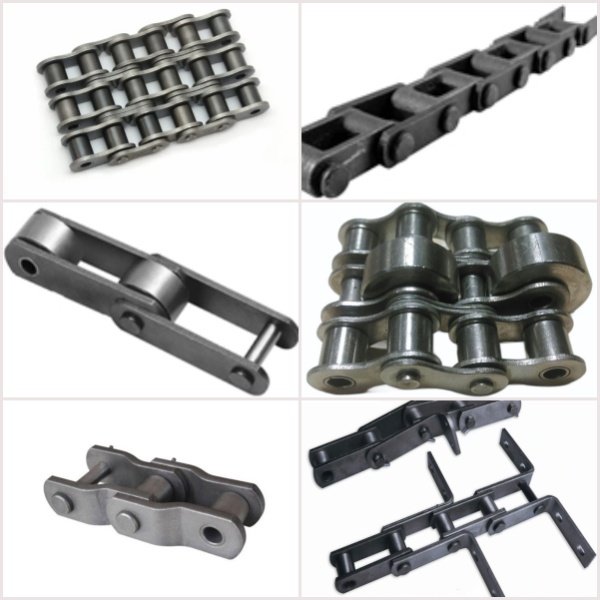
Chain Links & Chain
Heavy-duty conveyor and elevator chains for cement and mining applications. High-wear forged and cast link designs
Chain Links & Chain
Material Specifications & Selection Guide
| Chain Type | Pitch (mm) | Breaking Load (kN) | Speed (m/s) | Application |
|---|---|---|---|---|
| NE Bucket Elevator Chain | 100-152.4 | 160-560 | <1.0 | Cement raw meal / coal / clinker |
| TH Bucket Elevator Chain | 100-200 | 320-900 | <1.4 | Heavy clinker / fine powder |
| FU Scraper Conveyor Chain | 100-200 | 90-400 | <0.3 | Dust collection / ash / powder |
| MSBur Drag Chain | 100-315 | 250-1600 | <0.5 | Slag / coal / biomass |
| SDBF Apron Feeder Chain | 200-400 | 500-2500 | <0.2 | Limestone / gypsum / boulders |
| Spare Links & Pins | 100-400 | Matches chain | — | OEM replacement / rebuild kits |
| Component | Material | Hardness | Heat Treatment | Feature |
|---|---|---|---|---|
| Chain Plate (Inner) | 40Cr | 32-38 HRC | Q+T (Quench+Temper) | High fatigue resistance |
| Chain Plate (Outer) | 42CrMo | 35-42 HRC | Q+T + shot peening | Maximum tensile strength |
| Pin / Shaft | 20Mn2 / GCr15 | 50-58 HRC | Carburize + Q+T | Surface hardened, tough core |
| Bushing | 20CrMnTi | 56-62 HRC | Carburize + Q | Excellent wear resistance |
| Roller | GCr15 / 40Cr | 45-55 HRC | Through-hardened + temper | Low rolling friction |
| Cast Link (Drag) | ZG35Mn / 35CrMoSi | 200-250 HB | Normalize + temper | High impact, cast design |
| Chain Model | Pitch | Pin Dia. | Plate Thk. | Inner Width | Weight (kg/m) |
|---|---|---|---|---|---|
| NE15 | 101.6 | 14 | 6 | 70 | 5.2 |
| NE30 | 152.4 | 18 | 8 | 90 | 8.5 |
| NE50 | 152.4 | 22 | 10 | 125 | 12.8 |
| NE100 | 152.4 | 26 | 12 | 150 | 18.6 |
| TH315 | 200 | 28 | 14 | 160 | 22.3 |
| TH500 | 200 | 32 | 16 | 190 | 28.5 |
| FU270 | 152.4 | 20 | 8 | 120 | 10.3 |
Selection Quick Reference
- Cement raw meal / coal powder (light, abrasive, vertical): NE series bucket elevator chain, 40Cr plates + 20Mn2 carburized pins, hardened bushing — balances wear life and cost for medium loads
- Clinker / heavy materials (hot, abrasive, vertical): TH series elevator chain, 42CrMo plates + GCr15 pins, 56-62 HRC bushings — maximum strength and wear resistance for high-temperature clinker handling
- Slag / ash / dust (horizontal, slow): FU scraper or MSDrag chain, 40Cr plates with normalized cast links — abrasion-resistant for abrasive dust with moderate load
- Limestone / gypsum / boulders (large lumps, impact): SDBF apron feeder chain, cast links (ZG35Mn/35CrMoSi), large pitch 200-400 mm — withstands heavy impact from primary crusher discharge
- Rebuild & spare links: All chain models supported with individual links, pins, bushings, and rollers for OEM-equivalent rebuilds — match your existing chain pitch and spec
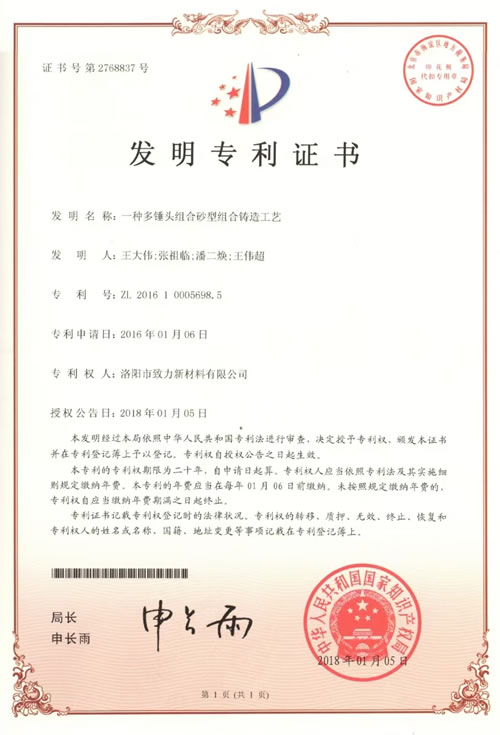
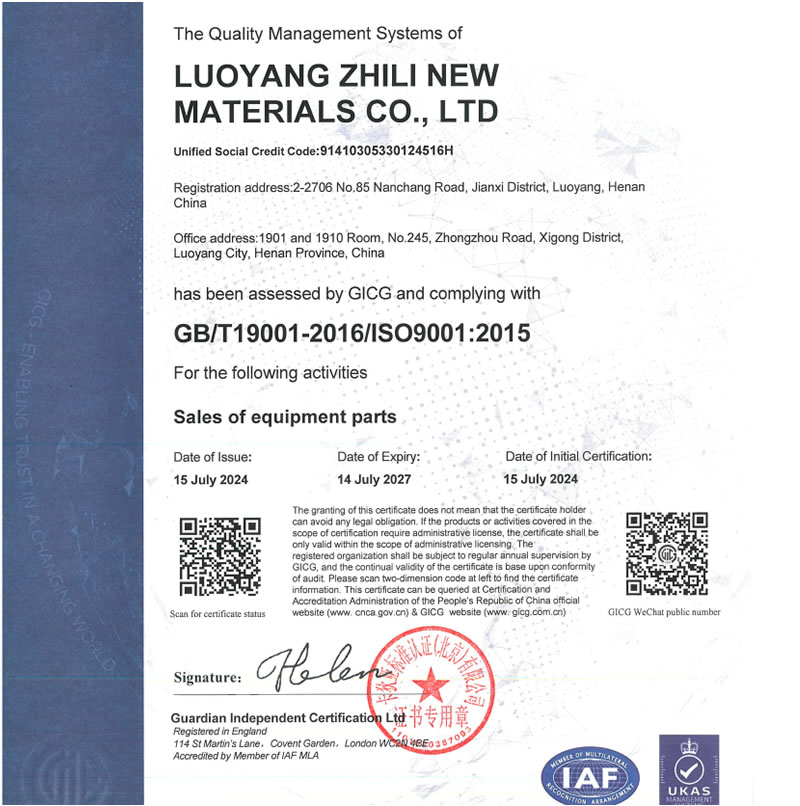
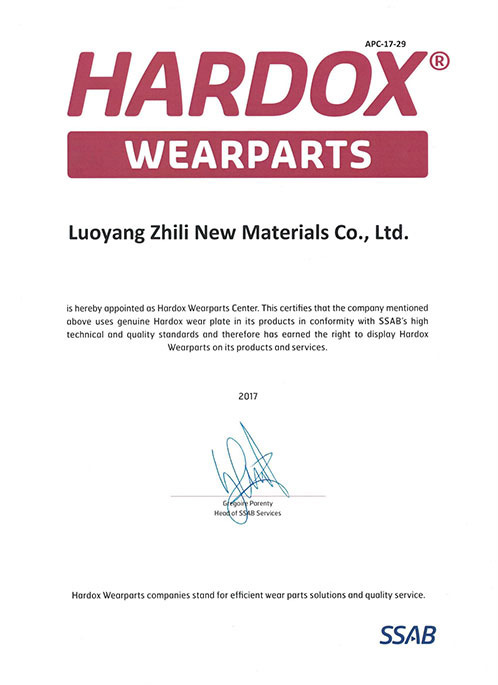
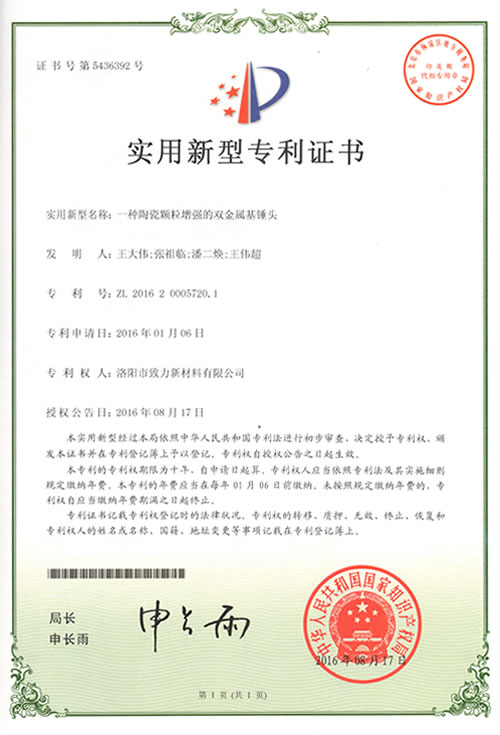
Certifications & Authorizations
Quality you can verify. Partners you can trust.
Custom OEM / ODM
From drawing to delivery — one-stop customization, no minimum order
Send Drawing
Upload your technical drawing (PDF, DWG, STEP, IGES) or share sample photos with dimensions
Engineering Review
Material recommendation, casting process design, DFM analysis — free quotation within 24 hours
Sampling & Test
Prototype production with full inspection: hardness test, spectrometer, dimensional check
Production & Ship
ISO 9001 certified. 15-25 days standard lead time. Global shipping with full documentation
Frequently Asked Questions
Chain selection depends on material type, temperature, lifting height, and capacity. The key difference between NE and TH series is the chain speed and bucket configuration:
- NE Series (slow speed, deep buckets): Designed for fine powders like cement raw meal, coal powder, and fly ash. Operates at <1.0 m/s with 100-152.4 mm pitch. The deep bucket design achieves high fill rates at low speed. Use 40Cr plates + carburized pins for standard applications.
- TH Series (higher speed, reinforced): Built for heavy clinker, limestone, and hot materials up to 300 C. Operates at up to 1.4 m/s with 100-200 mm pitch. The reinforced link plates (42CrMo) and larger pin diameters handle higher tensile loads. Ideal for kiln feed and clinker transport.
- Custom / Non-standard: For existing equipment not matching standard pitch sizes, we manufacture to your drawing or sample. Provide the pitch, inner width, pin diameter, and breaking load requirement — we match or exceed OEM specifications.
Quick sizing rule: The chain’s breaking load must be 7-10x the working load for elevator applications. Example: if your bucket assembly weighs 1,500 kg with material, select a chain with minimum 105 kN breaking load (NE50 or TH315 and above).
Chain elongation comes from pin/bushing wear and plate hole deformation, not from the chain actually stretching. Once elongation exceeds allowable limits, the chain will skip sprocket teeth and risk catastrophic failure:
- How to measure elongation: Measure across 10-12 links with a caliper or tape. Compare to the nominal pitch x number of links. Example: 10 links of NE50 (152.4 mm pitch) should measure 1,524 mm when new. At 3% elongation (1,570 mm), replace the chain.
- Primary wear points: The pin and bushing contact surface wears fastest, accounting for 70-80% of total elongation. Heat-treated, carburized pins (50-58 HRC surface) and hardened bushings (56-62 HRC) slow this wear significantly. Plate hole elongation is secondary and indicates overload or misalignment.
- Consequences of running a worn chain: Beyond 3% elongation, the chain pitch no longer matches the sprocket tooth pitch. This causes jerking, tooth climbing, and chain jumping — a single skipped tooth under load can destroy buckets, bend shafts, and tear out the drive unit.
- Proactive replacement: Do not wait for failure. Replace the chain at 2-3% elongation during a scheduled maintenance window. Always replace the complete chain loop + sprockets together — a new chain on worn sprockets will elongate within weeks.
Lubrication rule: 90% of premature chain wear is caused by inadequate lubrication. For elevator chains, apply high-temperature chain oil (ISO VG 220-460) to the pin/bushing interface weekly. In dusty environments, use dry-film lubricant (MoS2 or graphite) to avoid dust adhesion that accelerates abrasive wear.
Individual link replacement is possible but requires careful judgment. Partial replacement works for localized damage but not for uniform wear:
- When to replace individual links: Localized damage from a foreign object impact, one-time overload, or manufacturing defect. The replacement link must match the pitch of the worn chain (not the new spec) — a new link in a 2% elongated chain will carry disproportionate load and fail early.
- When to replace the full loop: When elongation is uniform across all links (indicated by consistent measurements at multiple points), the entire chain has reached end of life. Replacing only a few links in a uniformly worn chain creates uneven loading — the new links become stress concentrators and break within weeks.
- Always check the sprockets: Before replacing any links, inspect sprocket tooth profiles. If the teeth are hooked, thinned, or show >0.5 mm step wear where the chain seats, replace the sprockets too. A new chain on worn sprockets fails 3-5x faster than normal.
- Rebuild kit approach: For preventive maintenance, we offer complete rebuild kits containing pins, bushings, rollers, and inner/outer plates per your chain model. This allows field replacement of all wear components without removing the entire chain from the elevator casing.
Related Products
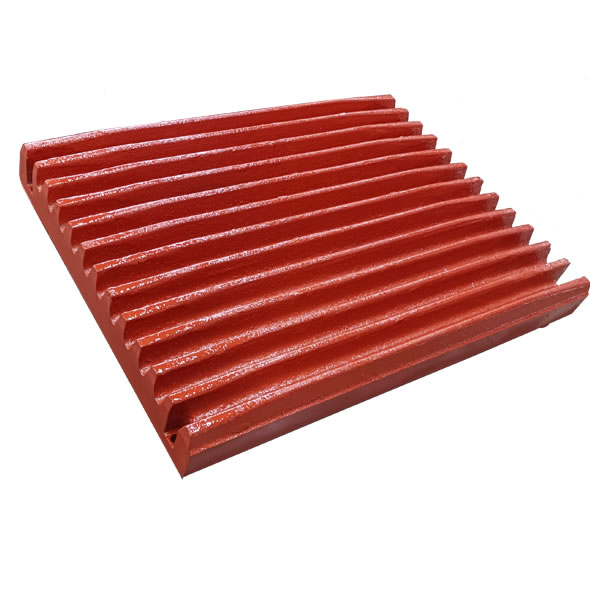
Jaw Plate
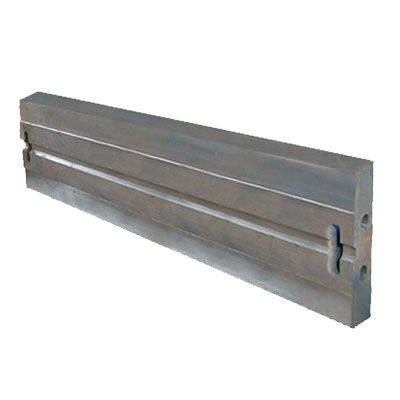
Blow Bar
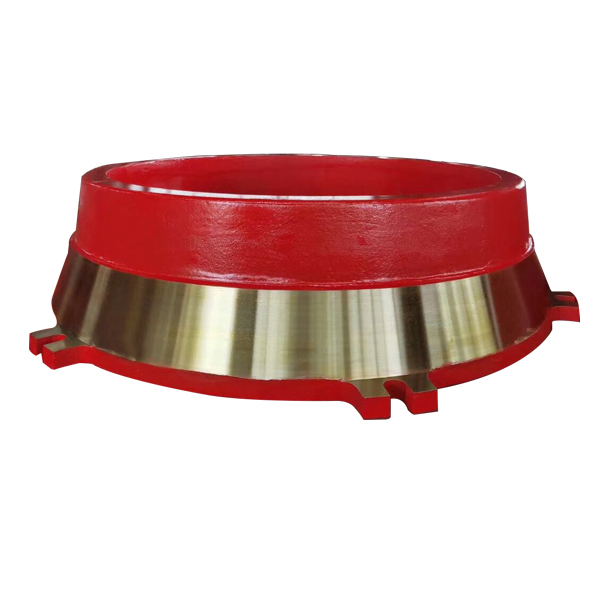
Mantle & Concave
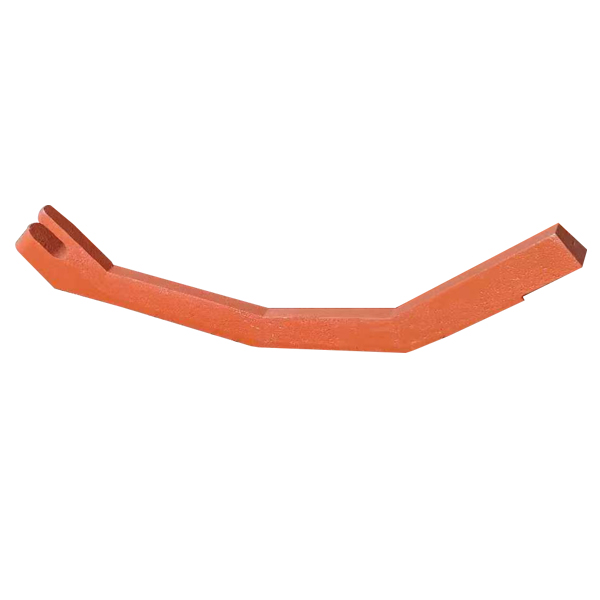
Grate Bar
Contact Us
Get a quote within 24 hours. Send us your inquiry today.

+86 199 8785 7268
Mon-Sat 8AM-10PM CST Scan to chat — English, Spanish, Chinese Send photos of worn parts for instant quote

+86 199 8785 7268
Scan to follow — factory updates and quotes Chat in Chinese or English