

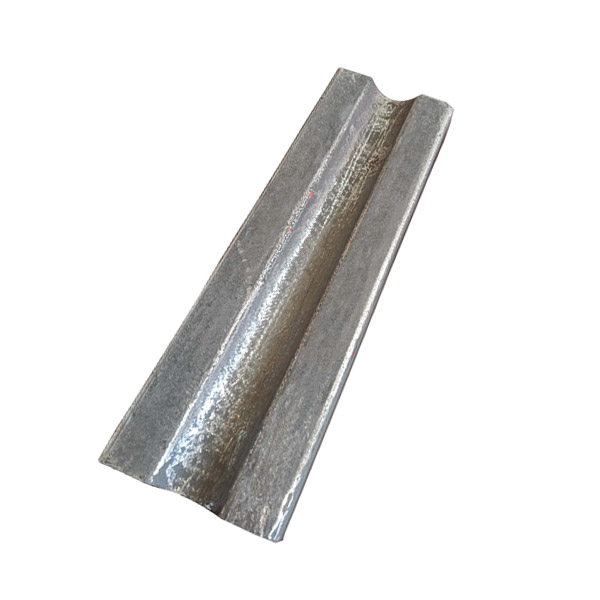
Impact Plate / Impact Block
Impact Crusher Liner / Blow Bar Impact Plate / Liner Block — High Chrome Alloy / High Manganese Steel — Wave / Flat / Step Profile
Impact Plate / Impact Block
Material Specifications & Selection Guide
| Grade | Material | As-Cast HB | Work-Hardened | Impact | Application |
|---|---|---|---|---|---|
| Mn13 | Mn12-14% + C1.0-1.4% | 200-220 | 450-550 HB | Excellent | Limestone, soft rock |
| Mn13Cr2 | Mn12-14% + Cr2% | 210-230 | 500-600 HB | Excellent | Standard impact plates |
| Mn18Cr2 | Mn17-19% + Cr2% | 220-240 | 550-650 HB | Superior | Hard rock, large feed |
| Mn22Cr2 | Mn20-22% + Cr2% | 230-250 | 600-700 HB | Superior | Extreme impact zones |
| Grade | Material | Hardness | Carbide | Life Factor | Application |
|---|---|---|---|---|---|
| Cr15 | Cr14-17% + C2.4-3.2% | 56-60 HRC | 22-30% | 2.0-2.5x | Abrasive, low impact |
| Cr20 | Cr18-22% + C2.4-3.2% | 58-62 HRC | 25-33% | 2.5-3.0x | High abrasion, medium |
| Cr26 | Cr23-28% + C2.3-3.0% | 58-63 HRC | 28-38% | 3.0-3.5x | Extreme abrasion |
| Mn13+Cr HF | Mn base + Cr overlay | 220 HB / 58-62 HRC | High | 2.5-3.0x | Balanced impact+wear |
| Crusher | Model Series | Plate (mm) | Thick (mm) | Wt (kg) | Material |
|---|---|---|---|---|---|
| PF Impact | PF1007-PF1214 | 800×400-1200×600 | 40-80 | 80-200 | Mn13Cr2 / Cr20 |
| PF Impact | PF1315-PF1820 | 1300×800-1800×1000 | 60-120 | 200-600 | Mn18Cr2 / Mn22Cr2 |
| HSI (Horizontal) | AP-PH Series | 900×500-1500×900 | 50-100 | 120-500 | Mn13Cr2 / Cr20 |
| VSI (Vertical) | Barmac type | Φ600-Φ1200 | 30-60 | 40-180 | Cr15 / Cr20 |
| Sand Making | PCL series | Φ500-Φ1500 | 25-50 | 30-150 | Cr20 / Cr26 |
| Hammer Crusher | PCII series | 400×300-800×500 | 30-70 | 30-100 | Mn13Cr2 |
| Mobile Impact | Kleemann / Rubble Master | Custom | 40-100 | 100-400 | Mn13Cr2 / Cr20 |
Selection Quick Reference
- Limestone / soft rock (standard impact): Mn13 or Mn13Cr2 — work-hardens to 500-600 HB under heavy impact, excellent toughness for large feed (100-800 mm) in PF series impact crushers
- Hard rock / abrasive (granite, basalt): Mn18Cr2 or Mn22Cr2 — superior work-hardening to 550-700 HB for severe impact + abrasion, ideal for PF1315+ heavy duty crushers
- Sand making / fine crushing (low impact, high abrasion): Cr20 or Cr26 — maximum carbide content for high-speed impact blocks in VSI crushers, 3.0-3.5x life vs Mn steel
- Mixed duty (variable feed, moderate impact + wear): Mn13 base + Cr hardfacing overlay — combines toughness of manganese with wear resistance of chrome, ideal for mobile crushers
- Key design note: Impact plates are bolted, not welded — allows single-piece replacement. Adjustable gap (20-60 mm) between rotor and impact plate controls product size
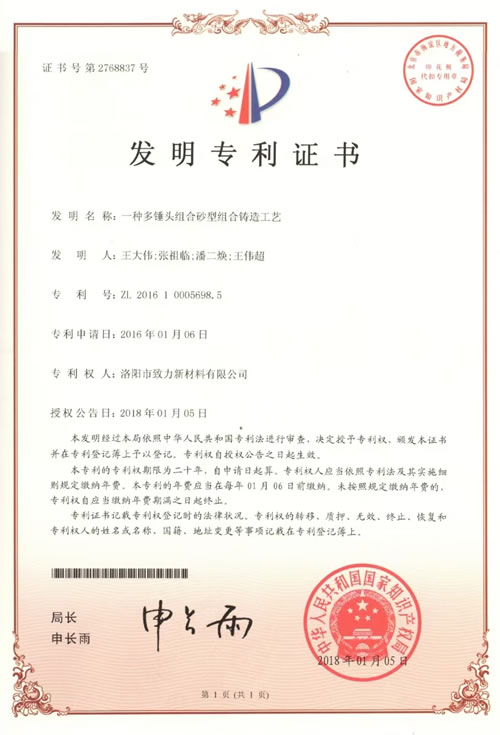
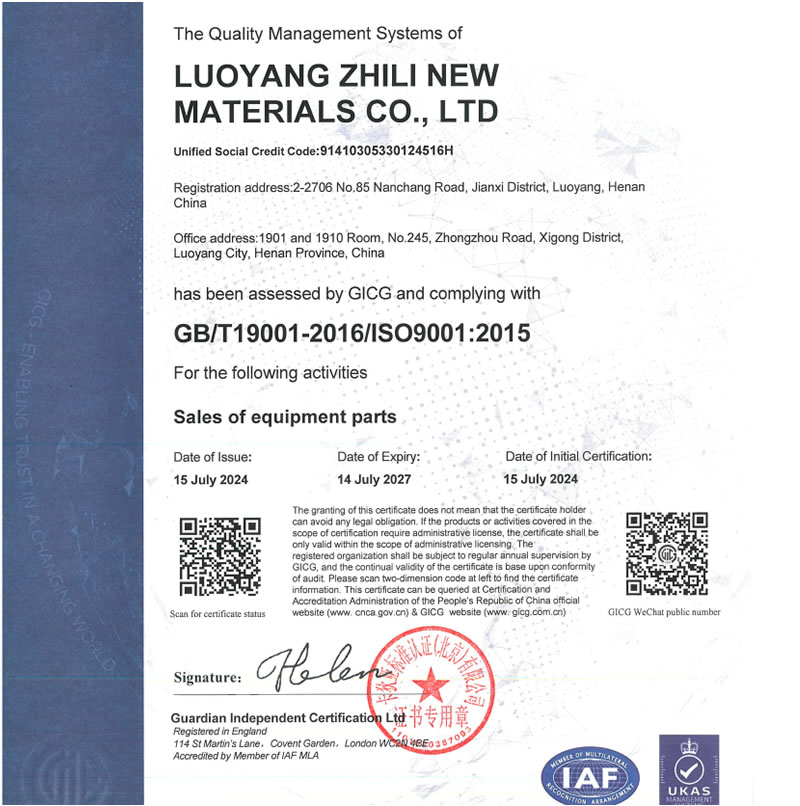
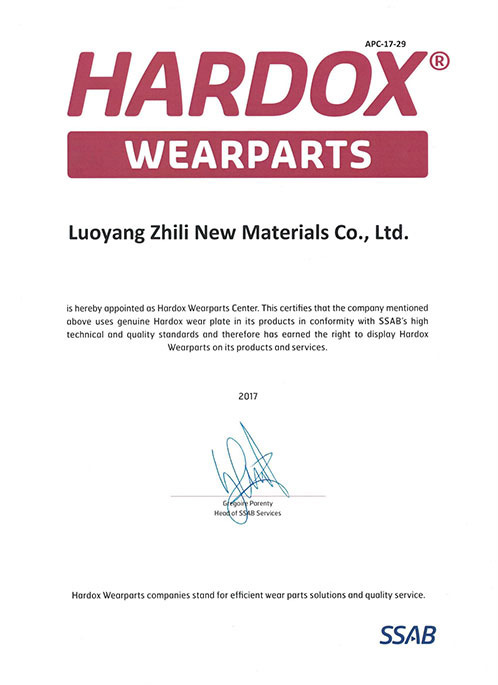
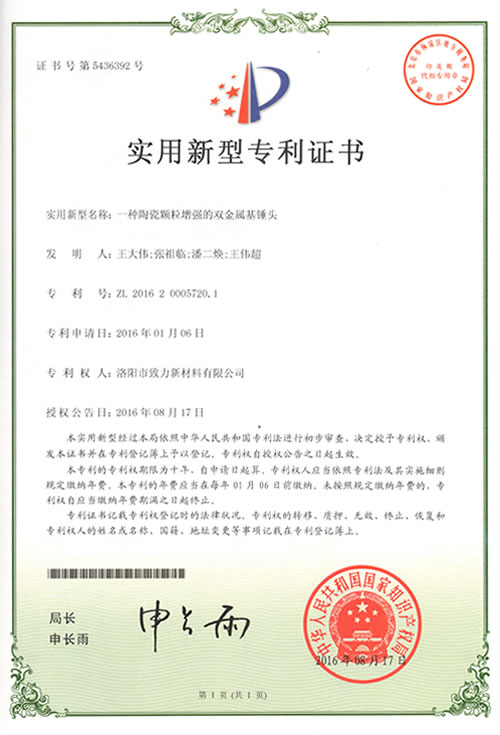
Certifications & Authorizations
Quality you can verify. Partners you can trust.
Custom OEM / ODM
From drawing to delivery — one-stop customization, no minimum order
Send Drawing
Upload your technical drawing (PDF, DWG, STEP, IGES) or share sample photos with dimensions
Engineering Review
Material recommendation, casting process design, DFM analysis — free quotation within 24 hours
Sampling & Test
Prototype production with full inspection: hardness test, spectrometer, dimensional check
Production & Ship
ISO 9001 certified. 15-25 days standard lead time. Global shipping with full documentation
Frequently Asked Questions
Quick answers to common questions about our impact plates and blocks
Impact plate material selection depends on impact energy vs. material abrasiveness:
- High manganese plates (Mn13, Mn13Cr2): Designed for impact-dominant applications (limestone, soft rock). Surface work-hardens from 200 HB to 500-600 HB under heavy particle impact. In low-impact environments (<20 m/s tip speed, fine feed), Mn plates wear quickly without adequate work-hardening.
- High chrome plates (Cr20, Cr26): Pre-hardened to 58-63 HRC at casting — ideal for abrasive materials (sand, silica, granite fines) where impact is secondary. 3x longer life than Mn steel in abrasive applications but brittle under heavy impact from large feed.
- Composite plates (Mn13+Cr Overlay): Mn base absorbs impact energy while Cr hardfacing at the contact zone resists abrasion — best for variable feed conditions or mobile crushers.
Field test rule: If the plate wears smooth and shows shallow scoring, it’s abrasion-dominated → use Cr white iron. If the surface peens heavily and shows plastic deformation, it’s impact-dominated → use Mn steel. Run a split test: install plates of both materials on the same crushing chamber and compare after 200 hours.
The rotor-to-impact-plate gap directly controls crushing ratio and product particle size distribution:
- Primary impact plate (upper chamber): 40-60 mm gap — coarse reduction of incoming 200-800 mm feed to 50-150 mm. Larger gap reduces oversize production but increases recirculation load. Start at 50 mm and adjust based on crusher current draw.
- Secondary impact plate (lower chamber): 20-35 mm gap — finish crushing from 50-150 mm to 20-40 mm. This gap determines final product quality. A 5 mm gap reduction typically reduces P80 by 8-12 mm.
- Screening plate gap (tertiary, VSI): 5-15 mm — final sizing for manufactured sand (0-5 mm). Critical for product consistency. Re-check weekly as impact plate wear changes the effective gap.
- Critical adjustment rule: Both impact plates must be parallel to the rotor axis within 2 mm end-to-end. Uneven gap causes unbalanced wear, vibration, and reduces plate life by 30-50%.
Quick gap check: Use a wooden block cut to the desired gap size as a feeler gauge. Insert between rotor tip and impact plate at 3 points (left, centre, right). Adjust threaded rods or hydraulic cylinders until the block slides with light resistance at all 3 positions.
Impact plates are bolted, not welded — allowing single-piece or zone replacement. Common mistakes reduce plate life 40-60%:
- Zone-based replacement: Impact plates wear unevenly — the centre zone (direct rotor impact) wears 2-3x faster than edge zones. Replace plates by zone rather than full set when possible. Never mix new and 50%+ worn plates in the same crushing chamber — the wear step between zones creates turbulence and recirculation.
- Flip for extended life: Most symmetrical impact plates can be rotated 180 degrees to expose the unworn trailing edge. This extends total service life 1.5-1.8x. Check wear pattern during each inspection — when 40% of original thickness is consumed, flip the plate.
- Bolt torque is critical: Loose bolts allow the plate to vibrate under impact → fatigue cracking at bolt holes. Over-torqued bolts crush the manganese matrix (it deforms plastically). Use calibrated torque wrench set to manufacturer spec (typically 300-500 Nm for M20-M24 Grade 10.9 bolts). Re-torque after first 8 hours of operation.
- Never weld impact plates in place: Welding “repairs” crack propagation areas by introducing heat-affected zones (HAZ) in high Mn steel — HAZ becomes brittle and cracks immediately under impact. If a plate cracks, replace it. Cracked plates eject fragments that damage downstream equipment.
Safety note: Impact plates (80-600 kg) are heavy components. Use lifting eyes or slings — never use the bolt holes as lifting points. Secure the plate against the rotor before releasing the crane. A dropped impact plate causes serious crush injuries.
Related Products
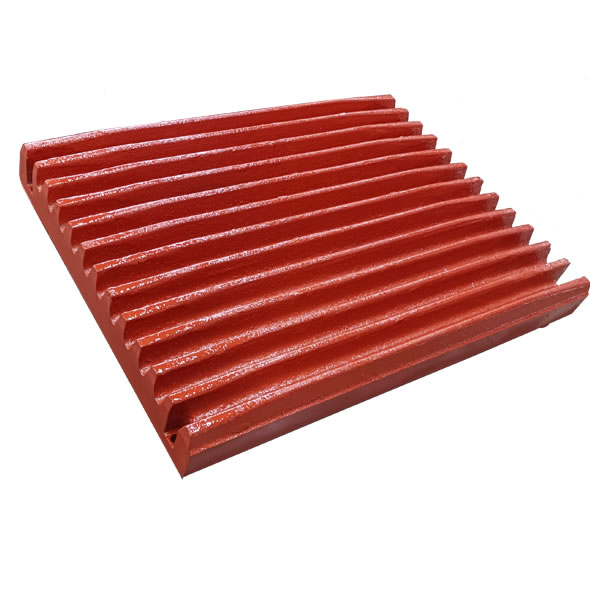
Jaw Plate
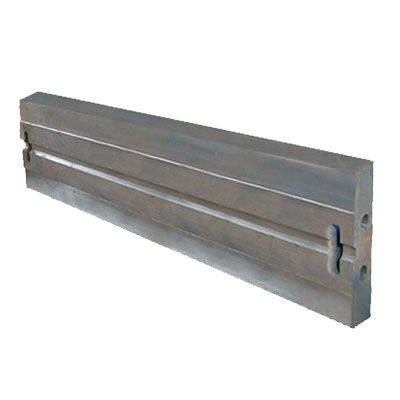
Blow Bar
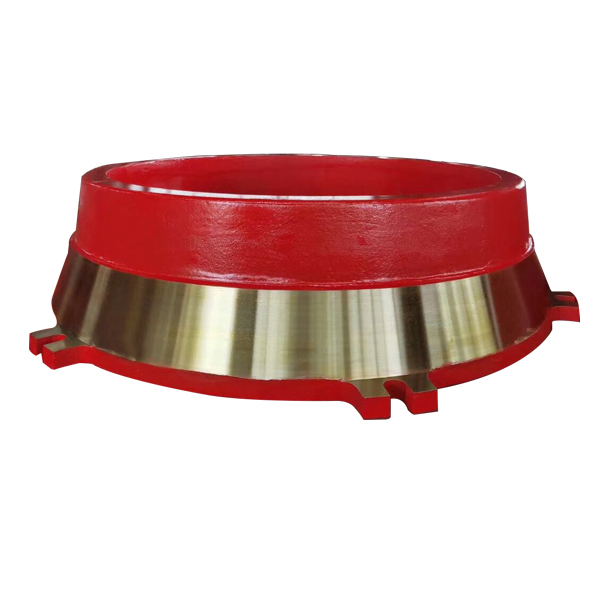
Mantle & Concave
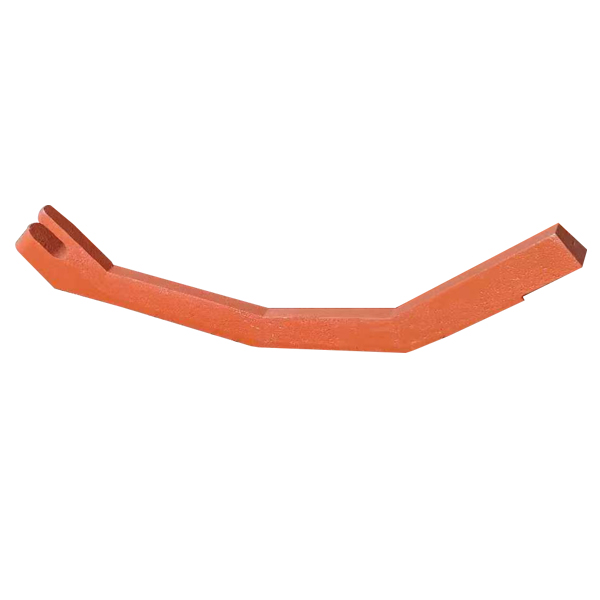
Grate Bar
Contact Us
Get a quote within 24 hours. Send us your inquiry today.

+86 199 8785 7268
Mon-Sat 8AM-10PM CST Scan to chat — English, Spanish, Chinese Send photos of worn parts for instant quote

+86 199 8785 7268
Scan to follow — factory updates and quotes Chat in Chinese or English