

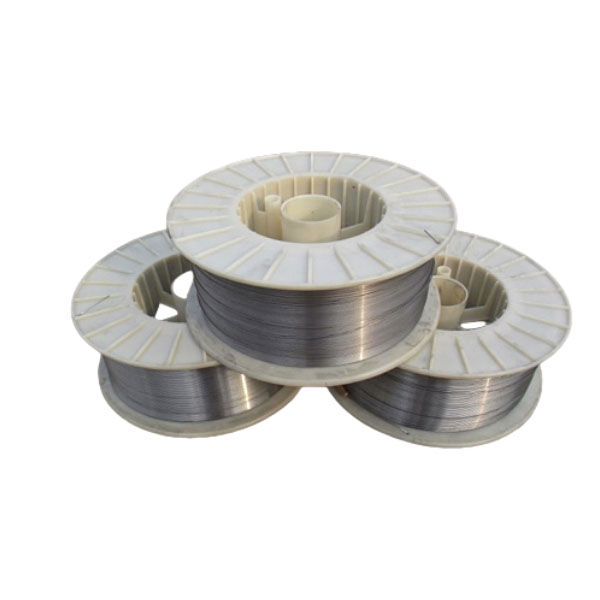
Hardfacing Flux-Cored Wire
High-performance rubber mill liners for ball mills and SAG mills. Lightweight, noise-reducing alternative to steel liners with excellent impact absorption and wear resistance. Ideal for secondary grinding and fine grinding applications
Hardfacing Flux-Cored Wire
Material Specifications & Selection Guide
| Grade | Wire Dia | Shielding Gas | HRC | Key Feature | Application |
|---|---|---|---|---|---|
| ZD-307 | 1.2/1.6 mm | CO2 / Ar+CO2 | 55-60 | Cr-Ni alloy, crack resistant | VRM rollers, moderate abrasion |
| ZD-414 | 1.2/1.6 mm | CO2 / Ar+CO2 | 58-62 | High Cr-C alloy | Coal mill rollers, high abrasion |
| ZD-517 | 1.2/1.6 mm | CO2 / Ar+CO2 | 60-65 | Cr-C-Mo, high temp stable | Cement kiln inlet, 500 C+ |
| ZD-628 | 1.6/2.0 mm | CO2 | 62-66 | Ultra high Cr, max wear res. | Severe abrasion, mining |
| ZD-718 | 1.2/1.6 mm | Ar+CO2 | 20-25 + carbides | Ni-based, impact + corrosion | Impact + corrosive conditions |
| Grade | C (%) | Cr (%) | Ni (%) | Mo (%) | Cv (J) | Wear Index |
|---|---|---|---|---|---|---|
| ZD-307 | 0.3-0.5 | 15-18 | 3-5 | – | 25-35 | 1.0 |
| ZD-414 | 3.0-4.5 | 22-26 | – | 0.5-1.0 | 8-12 | 2.5-3.0x |
| ZD-517 | 4.0-5.5 | 26-30 | – | 1.0-2.0 | 6-10 | 3.0-3.5x |
| ZD-628 | 5.0-6.5 | 28-32 | – | 1.5-2.5 | 4-8 | 3.5-4.0x |
| ZD-718 | 0.1-0.3 | 12-15 | Bal. | 2.5-3.5 | 40-55 | 1.2-1.5x |
| Parameter | ZD-307/414/517 | ZD-628 | ZD-718 |
|---|---|---|---|
| Current (A) | 180-280 | 220-320 | 160-240 |
| Voltage (V) | 22-28 | 24-30 | 20-26 |
| Stick-out (mm) | 15-25 | 20-30 | 15-20 |
| Preheat (C) | 150-250 | 200-300 | 100-150 |
| Layer Limit | 2-3 layers | 2 layers max | Unlimited |
Selection Quick Reference
- VRM grinding rollers (moderate abrasion, thermal fatigue): ZD-307 — Cr-Ni balanced alloy with good crack resistance for roller rebuild, 55-60 HRC
- Coal mill grinding rollers (high abrasion): ZD-414 — high Cr-C with primary carbides, 2.5-3.0x wear resistance vs mild steel
- Cement kiln inlet / high temp zones (500 C+): ZD-517 — Cr-C-Mo with secondary hardening for elevated temperature stability
- Severe mining applications (max wear): ZD-628 — ultra-high Cr with maximum carbide density, limited to 2 layers due to cracking risk
- Impact + corrosion (wet grinding): ZD-718 — Ni-based matrix with tungsten carbides, 40-55 J impact toughness
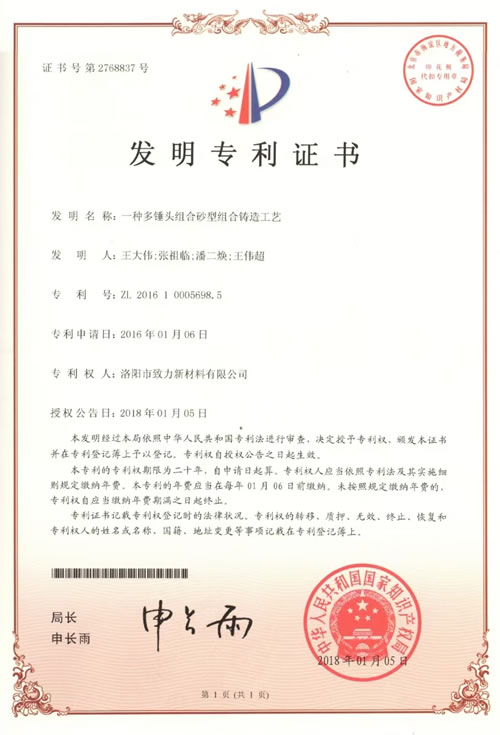
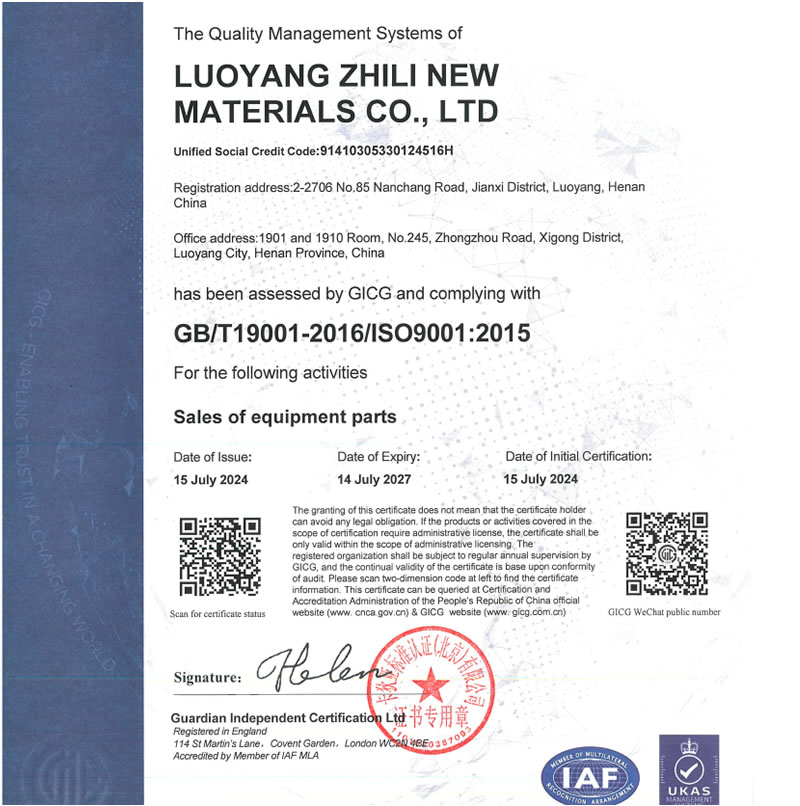
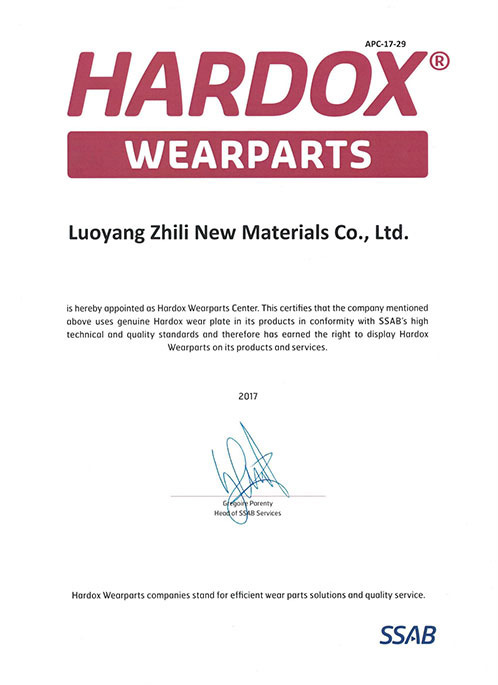
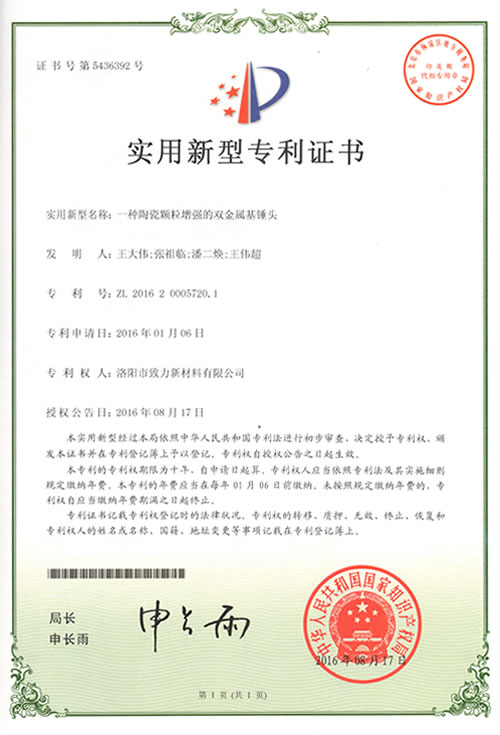
Certifications & Authorizations
Quality you can verify. Partners you can trust.
Custom OEM / ODM
From drawing to delivery — one-stop customization, no minimum order
Send Drawing
Upload your technical drawing (PDF, DWG, STEP, IGES) or share sample photos with dimensions
Engineering Review
Material recommendation, casting process design, DFM analysis — free quotation within 24 hours
Sampling & Test
Prototype production with full inspection: hardness test, spectrometer, dimensional check
Production & Ship
ISO 9001 certified. 15-25 days standard lead time. Global shipping with full documentation
Frequently Asked Questions
VRM grinding rollers require a balance of wear resistance and crack resistance. The thermal cycling and mechanical load of roller operation creates a challenging environment:
- ZD-307 (Cr-Ni alloy, 55-60 HRC): Standard choice for most VRM roller rebuilds. The Ni addition improves toughness and reduces crack sensitivity. Can build 2-3 layers without excessive cracking. Best for general cement raw material and coal grinding.
- ZD-414 (High Cr-C, 58-62 HRC): Use when grinding high-silica or abrasive materials. The higher Cr and C content forms more primary carbides for increased wear resistance. Limit to 2 layers due to crack sensitivity.
- ZD-517 (Cr-C-Mo, 60-65 HRC): For extreme wear conditions or elevated temperature zones (500 C+). Mo provides secondary hardening and high-temperature stability. Best for kiln inlet rollers or high-temp grinding applications.
Layer strategy: For severe wear, use ZD-307 as a buffer layer (2-3 mm) on the base metal, then apply 1-2 layers of ZD-414 or ZD-517 for the wear surface. This prevents base metal cracking while achieving maximum wear resistance.
Hardfacing cracks form from residual stress caused by differential cooling between the hard overlay and softer base metal. Controlling heat input and layer thickness is critical:
- Preheat the base metal: Heat the component to 150-300 C before welding (higher for thicker sections). This slows cooling and reduces thermal shock. For VRM rollers (50-100 mm thick), preheat to 200-250 C.
- Control interpass temperature: Allow the part to cool below 250 C between passes. Excessive heat buildup increases crack risk. Use a temperature crayon or IR thermometer to monitor.
- Limit single layer thickness: Apply hardfacing in 3-5 mm layers. Thick deposits (>6 mm) cool unevenly and crack. Build up to final thickness in multiple passes.
- Maximum total build-up: Generally 10-15 mm for high Cr-C wires (ZD-414, ZD-517, ZD-628). Beyond this, residual stress exceeds bond strength. For unlimited build-up, use ZD-307 or ZD-718.
Shielding gas selection affects arc stability, spatter, penetration, and alloy recovery in hardfacing. The two main options are pure CO2 and Ar+CO2 mixtures:
- Pure CO2 (100%): Lower cost, good penetration, suitable for most hardfacing applications. Produces more spatter and slightly rougher surface finish. Use for heavy build-up where appearance is secondary. Gas flow: 18-25 L/min.
- Ar+CO2 (80/20 or 75/25): Better arc stability, less spatter, smoother deposits with better alloy recovery. Use for precision hardfacing or when surface finish matters. Required for ZD-718 Ni-based wire. Gas flow: 15-20 L/min.
- Gas flow rate: Too low (<15 L/min) = porosity and oxidation. Too high (>30 L/min) = turbulence and gas waste. Adjust based on nozzle-to-work distance (stick-out).
Welding technique: Maintain 15-25 mm stick-out (wire tip to work distance). Use stringer beads (straight passes) not weave patterns. Weaving spreads heat and increases crack risk. Overlap beads by 30-40% for uniform coverage.
Related Products
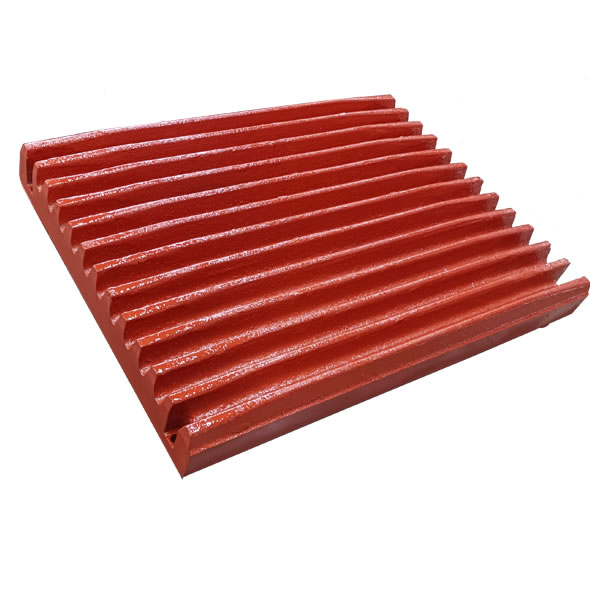
Jaw Plate
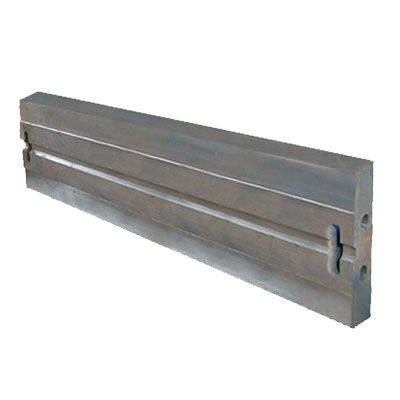
Blow Bar
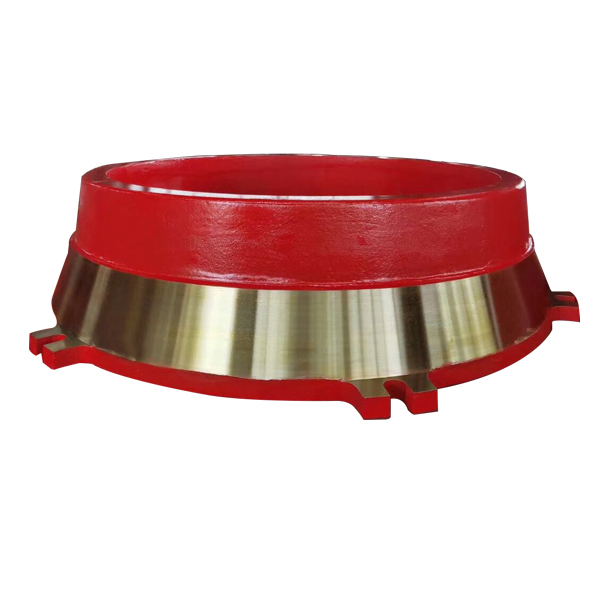
Mantle & Concave
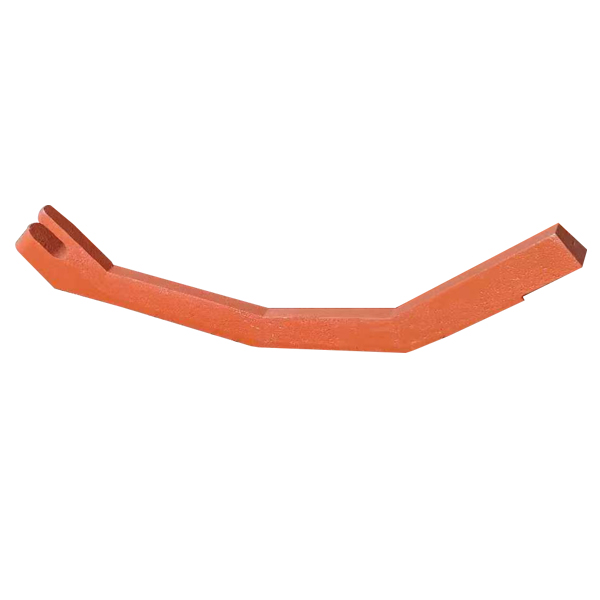
Grate Bar
Contact Us
Get a quote within 24 hours. Send us your inquiry today.

+86 199 8785 7268
Mon-Sat 8AM-10PM CST Scan to chat — English, Spanish, Chinese Send photos of worn parts for instant quote

+86 199 8785 7268
Scan to follow — factory updates and quotes Chat in Chinese or English