

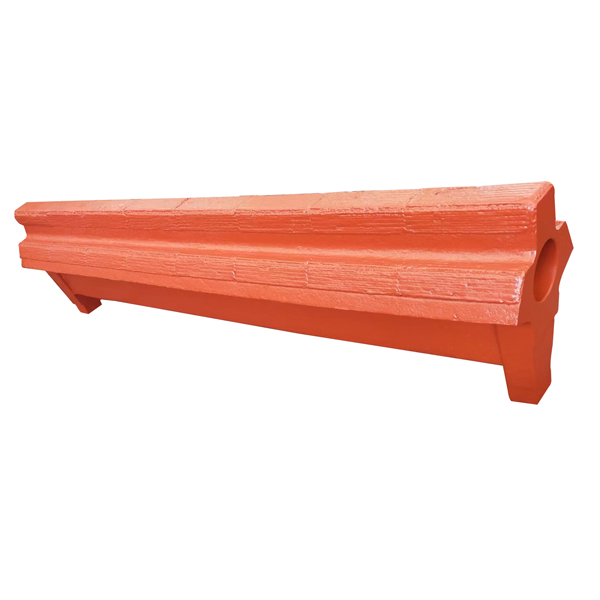
Hammer Crusher Anvil
High manganese cast anvil plates for hammer crusher impact chambers. Work-hardening wear surface with bolt-on installation
Hammer Crusher Anvil
Material Specifications & Selection Guide
| Grade | Material | Hardness | Impact | Life Factor | Application |
|---|---|---|---|---|---|
| Mn13 | Mn12-14% + C1.0-1.4% | 200-220 HB / 450-550 HB WH | Excellent | 1.0x | Limestone, soft rock |
| Mn13Cr2 | Mn12-14% + Cr2% | 210-230 HB / 500-600 HB WH | Excellent | 1.2-1.4x | Standard duty |
| Mn18Cr2 | Mn17-19% + Cr2% | 220-240 HB / 550-650 HB WH | Superior | 1.5-1.8x | Hard rock, high impact |
| Cr20 | Cr18-22% + C2.4-3.2% | 58-62 HRC | Low | 2.5-3.0x | High abrasion zones |
| Mn13+Cr HF | Mn base + Cr overlay | 220 HB / 58-62 HRC HF | Excellent | 2.0-2.5x | Balanced impact+wear |
| Parameter | Range | Tolerance | Feature |
|---|---|---|---|
| Length | 400-1,800 mm | +5/-0 mm | Matches chamber width |
| Width | 100-400 mm | +3/-0 mm | Impact surface width |
| Thickness | 80-250 mm | +3/-0 mm | Wear allowance |
| Impact Angle | 30-60 deg | +2/-2 deg | Determines product size |
| Bolt Holes | M20-M36 | H11 | High strength bolts |
| Hole Spacing | 150-400 mm | +1/-0 mm | Even load distribution |
| Weight | 80-1,200 kg | +5/-0% | Varies by size |
| Crusher Type | Model | Anvil Size (mm) | Thickness (mm) | Material |
|---|---|---|---|---|
| Hammer Crusher | PC400x300 | 400×120 | 80 | Mn13 / Mn13Cr2 |
| Hammer Crusher | PC600x400 | 600×160 | 100 | Mn13Cr2 |
| Hammer Crusher | PC800x600 | 800×200 | 120 | Mn13Cr2 / Mn18Cr2 |
| Hammer Crusher | PC1000x800 | 1,000×250 | 150 | Mn18Cr2 |
| Hammer Crusher | PC1200x1000 | 1,200×300 | 180 | Mn18Cr2 / Cr20 |
| Hammer Crusher | PC1400x1400 | 1,400×350 | 200 | Mn18Cr2 / Mn13+Cr HF |
| Reversible Crusher | PCK1010 | 1,000×280 | 160 | Mn18Cr2 |
| Reversible Crusher | PCK1416 | 1,400×380 | 200 | Mn18Cr2 / Cr20 |
| Single Stage | DPC1412 | 1,400×320 | 180 | Mn18Cr2+HF |
Selection Quick Reference
- Small hammer crushers (PC400-PC800, limestone, soft rock): Mn13 or Mn13Cr2 anvil — work-hardens to 500-600 HB under hammer impact, sufficient for low-abrasion materials, cost-effective for small crushers
- Medium hammer crushers (PC1000-PC1200, standard duty): Mn13Cr2 or Mn18Cr2 — higher Mn content provides superior impact resistance for larger feed (200-400 mm) and higher rotor speeds (800-1200 RPM)
- Large / heavy duty crushers (PC1400+, reversible, single stage): Mn18Cr2 or composite (Mn13+Cr hardfacing) — withstands continuous high-energy impact from 600+ kW drives and abrasive materials like coal gangue or slag
- High abrasion zones (bottom chamber, fine crushing): Cr20 high chrome or Cr hardfacing overlay — maximum wear resistance where material is already reduced and particle velocity is highest
- Key design parameter — impact angle: 30-45 degrees for coarse crushing, 45-60 degrees for fine crushing. Steeper angles increase residence time and reduction ratio but accelerate anvil wear
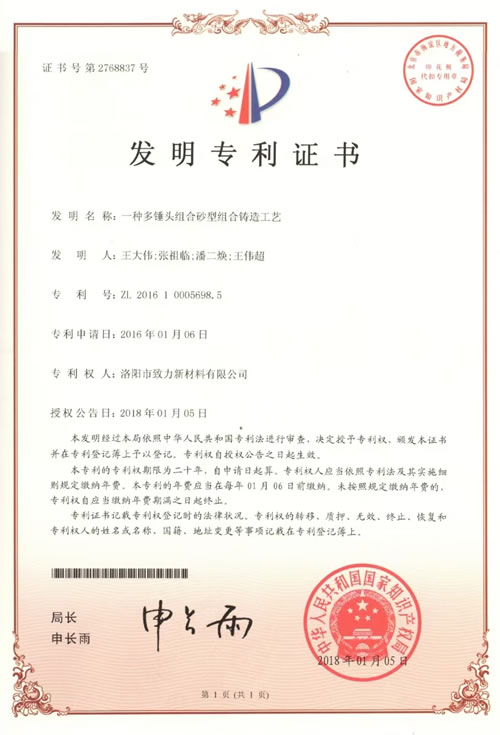
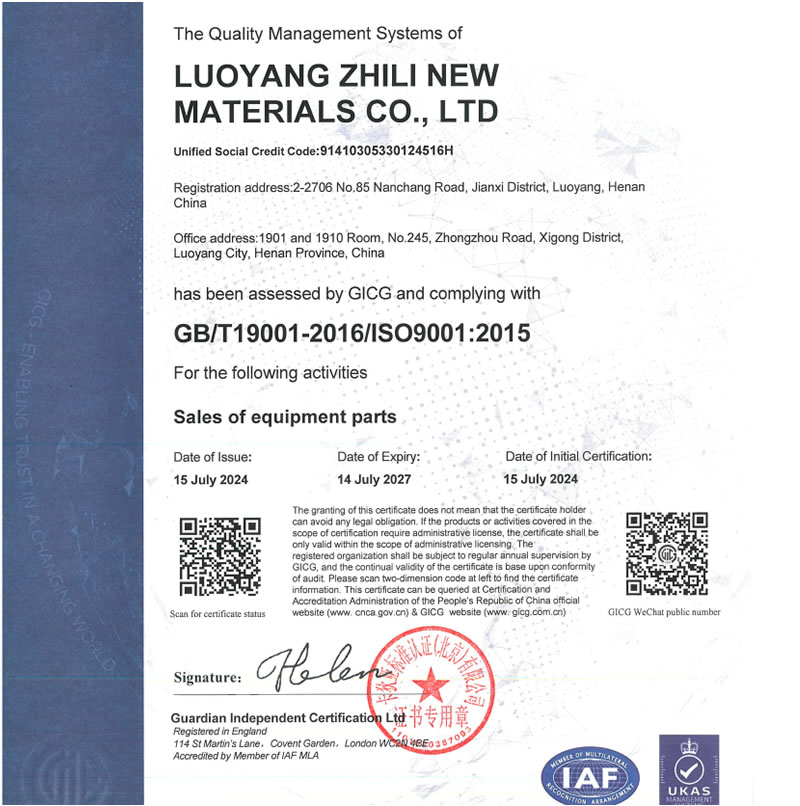
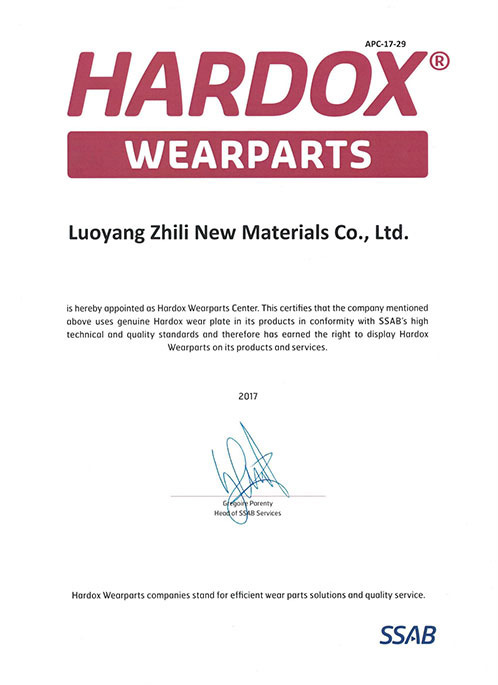
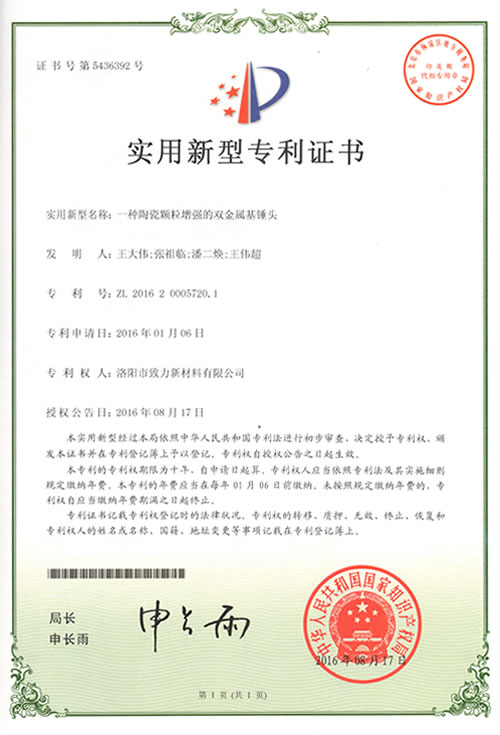
Certifications & Authorizations
Quality you can verify. Partners you can trust.
Custom OEM / ODM
From drawing to delivery — one-stop customization, no minimum order
Send Drawing
Upload your technical drawing (PDF, DWG, STEP, IGES) or share sample photos with dimensions
Engineering Review
Material recommendation, casting process design, DFM analysis — free quotation within 24 hours
Sampling & Test
Prototype production with full inspection: hardness test, spectrometer, dimensional check
Production & Ship
ISO 9001 certified. 15-25 days standard lead time. Global shipping with full documentation
Frequently Asked Questions
Quick answers to common questions about our hammer crusher anvils
Anvil angle is the single most adjustable parameter controlling reduction ratio, throughput, and wear:
- Shallow angle (30-40 deg): Material deflects off the anvil with minimal residence time — produces coarser product (P80 25-50 mm), higher throughput, and lower anvil wear. Best for primary crushing where reduction ratio is secondary to tonnage. Anvil wear rate is approximately 0.5-1.0 kg/1,000 tonnes processed.
- Medium angle (40-50 deg): Balanced setting for most applications — P80 15-30 mm with moderate wear rate (1.0-1.5 kg/1,000 tonnes). This is the default starting point. Adjust +/-5 degrees based on product size check after 200 hours of operation.
- Steep angle (50-60 deg): Maximum material-anvil interaction — produces fine product (P80 5-15 mm, suitable for ball mill feed) but increases wear rate to 2.0-3.0 kg/1,000 tonnes. Only use when product specification demands it — the extra wear cost must be justified by downstream process savings.
- Dynamic gap interaction: The hammer-to-anvil gap and anvil angle work together. Shallow angle + small gap (15-25 mm) produces similar P80 to steep angle + large gap (30-40 mm) with 40% lower wear rate. Optimize gap first, then fine-tune angle.
Field adjustment rule: Never change anvil angle more than 5 degrees at a time. Allow 200 hours running to stabilise wear pattern before re-measuring product size. Document each angle setting with corresponding product P80 and wear rate — you’ll develop an angle-versus-material curve specific to your operation within 3-4 adjustments.
Uneven anvil wear is caused by material flow concentration in the crusher chamber. The centre zone typically wears 2-3x faster than edge zones:
- Why centre wears faster: Feed material enters the hammer circle and is distributed radially — the highest concentration is in the chamber centre. Centre anvils receive 2-3x more particle impacts than edge positions. This is normal. Do not interpret centre wear as a material problem — it’s a flow distribution issue.
- Rotation strategy (flip + swap): When centre anvil thickness reaches 60-70% of original, swap centre anvils with edge anvils and rotate all anvils 180 degrees (if symmetrical). This doubles effective service life by equalizing wear across all positions. Document which anvil was in which position — a position map prevents mixing worn and new anvils.
- Replacement trigger: Replace anvils when thickness reaches 40-50% of original. Below this, the bolt holes approach the wear surface — loose anvils eject fragments into the crusher discharge. A single ejected anvil fragment (80-400 kg) can destroy the screen deck, tear conveyor belts, and damage downstream crushers.
- Staggered replacement policy: Never replace all anvils simultaneously during standard maintenance. Replace the most worn 50%, rotate the remaining 50% to high-wear positions. This maintains consistent crushing chamber geometry — a full set of new anvils changes the effective hammer gap and product size for the first 100-200 hours.
Anvil bolt loosening under vibration is the most common installation failure — improper torque leads to anvil ejection within hours:
- Bolt specification is critical: Use Grade 10.9 (standard) or 12.9 (heavy duty) bolts with zinc flake coating for corrosion resistance. Thread engagement must be minimum 1.5x bolt diameter — use longer bolts with spacer washers rather than reducing engagement. A Grade 8.8 bolt in a heavy crusher (PC1000+) will yield within the first shift of operation.
- Torque sequence matters: Tighten bolts in a diagonal cross pattern (centre → outer) to 50% of final torque in the first pass, then final torque in the second pass. This prevents anvil warping and uneven bolt load distribution. Final torque: 300-400 Nm for M20, 400-500 Nm for M24, 500-600 Nm for M30 (verify with your specific bolt chart).
- Nord-Lock wedge washers are mandatory: The cam-face design maintains bolt tension even under severe vibration — hammer crushers operate at 700-1,200 RPM with impact frequency of 4,000-7,000 blows per minute. Standard spring washers or thread-locking compound alone are insufficient. Nord-Lock pairs maintain 80%+ of initial preload after 1 million vibration cycles vs. 10-20% for standard washers.
- Post-installation inspection: Re-torque all anvil bolts after 8 hours of initial operation, then at 50 hours, 200 hours, and monthly thereafter. Use a calibrated torque wrench — never an impact gun for final tightening. Mark every torqued bolt head with paint marker so visual inspection immediately identifies any loose bolt.
Related Products
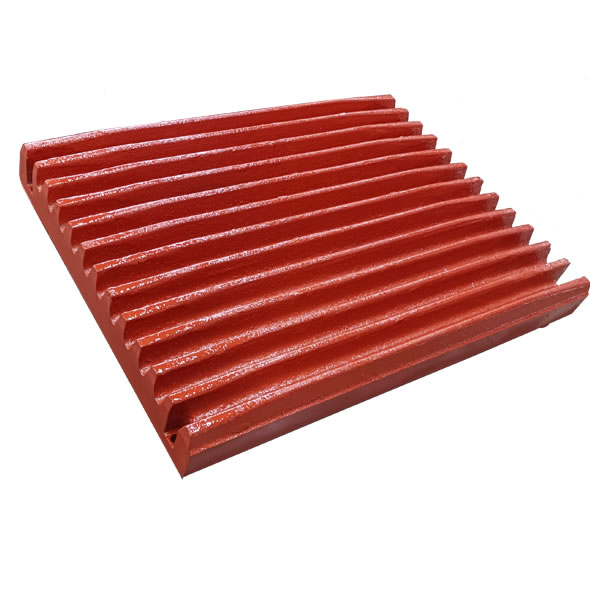
Jaw Plate
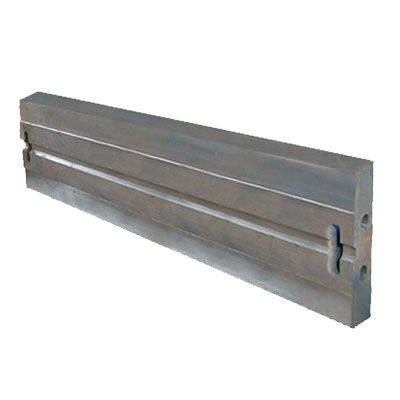
Blow Bar
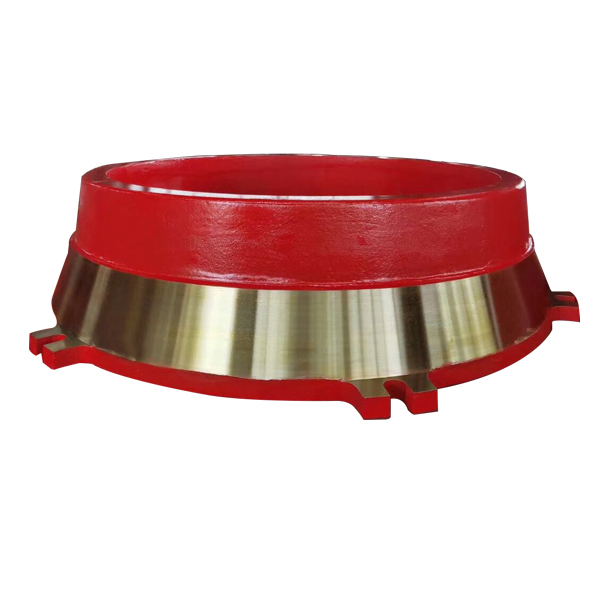
Mantle & Concave
Grate Bar
Contact Us
Get a quote within 24 hours. Send us your inquiry today.

+86 199 8785 7268
Mon-Sat 8AM-10PM CST Scan to chat — English, Spanish, Chinese Send photos of worn parts for instant quote

+86 199 8785 7268
Scan to follow — factory updates and quotes Chat in Chinese or English