

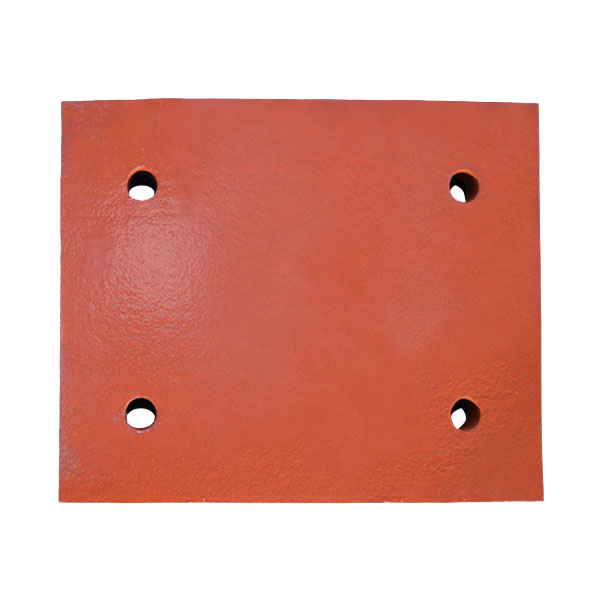
Chute Wear Liner Plate
High chrome alloy and high manganese steel chute liner plates for material handling systems. Designed for severe sliding abrasion in transfer chutes, hoppers, and bins. Available in bolted, welded, and magnetic mounting options
Chute Wear Liner Plate
Material Specifications & Selection Guide
| Grade | Class | Standard | Hardness | Thickness | Key Feature | Application |
|---|---|---|---|---|---|---|
| Cr15 | High Cr Iron | GB/T 8263 | 55-60 HRC | 10-50 mm | Good sliding wear, cost-effective | General transfer chutes, low impact |
| Cr20 | High Cr Iron | GB/T 8263 | 58-62 HRC | 10-50 mm | Excellent abrasion resistance | Heavy material chutes, hopper liners |
| Cr27 | High Cr Iron | GB/T 8263 | 60-64 HRC | 15-50 mm | Maximum wear resistance | High-abrasion zones, ore chutes |
| Mn13 | High Mn Steel | GB/T 5680 | 180-220 HBW* | 12-50 mm | Work-hardens under impact | Chutes with moderate impact zones |
| Mn13Cr2 | High Mn Steel | GB/T 5680 | 200-240 HBW* | 12-50 mm | Faster work hardening, higher surface | Impact + sliding combined wear |
| Grade | C (%) | Cr (%) | Mn (%) | Si (%) | Mo (%) | P Max |
|---|---|---|---|---|---|---|
| Cr15 | 2.40-3.00 | 14.0-17.0 | 0.50-1.00 | 0.50-1.00 | 0.50-1.00 | 0.060 |
| Cr20 | 2.60-3.20 | 18.0-22.0 | 0.50-1.00 | 0.50-1.00 | 1.00-2.00 | 0.060 |
| Cr27 | 2.60-3.20 | 25.0-28.0 | 0.50-1.00 | 0.50-1.00 | 1.00-2.00 | 0.060 |
| Mn13 | 1.10-1.40 | – | 11.0-14.0 | 0.30-0.80 | – | 0.070 |
| Mn13Cr2 | 1.10-1.40 | 1.50-2.50 | 11.0-14.0 | 0.30-0.80 | – | 0.070 |
| Liner Type | Standard Size (mm) | Thickness | Bolt Pattern | Mounting Method | Typical Application |
|---|---|---|---|---|---|
| Standard Bolted | 300 x 300 | 10-30 | 4-hole, M16 | Countersunk bolt | Transfer chutes, conveyor skirts |
| Large Bolted | 600 x 300 | 12-40 | 6-hole, M20 | Countersunk bolt | Hopper liners, large chute walls |
| Weld-On Plate | 300 x 200 | 8-25 | No holes | Plug/edge welded | Permanent installations, curved surfaces |
| Magnetic Backed | 250 x 250 | 10-20 | No holes | Magnetic (quick-change) | Steel chutes, easy swap liners |
| Slotted Rail System | 500 x 200 | 10-30 | Slotted ends | Slide-in rail clips | Fast liner change, no tool access needed |
Selection Quick Reference
- Pure sliding abrasion, no impact (fine ore, sand, cement): Cr20 flat plates — high chrome iron at 58-62 HRC delivers 2-3x longer life than mild steel. Use 15-20 mm thickness for 2-3 year service intervals
- High-volume ore chutes, extreme abrasion: Cr27 — maximum Cr content for the longest possible service life in high-tonnage mining applications. 20-30 mm thickness recommended
- Moderate impact + sliding (transfer point impact zones): Mn13Cr2 — manganese steel work-hardens from impact while maintaining tough core. Surface reaches 480-580 HBW within 200-300 hours of operation
- Quick-change requirements: Magnetic-backed or slotted rail systems — no bolt access needed, liner change time reduced by 60-80% compared to conventional bolted liners
- All bolt holes are countersunk to 2-3 mm below plate surface to protect bolt heads from wear. Custom sizes and bolt patterns manufactured to customer drawings
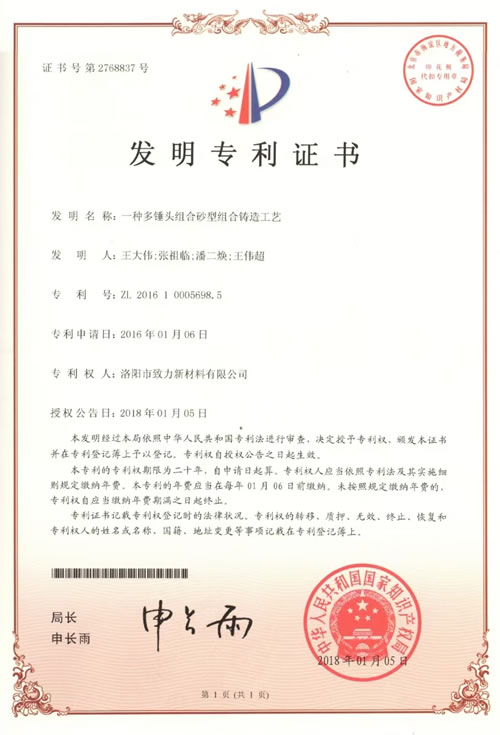
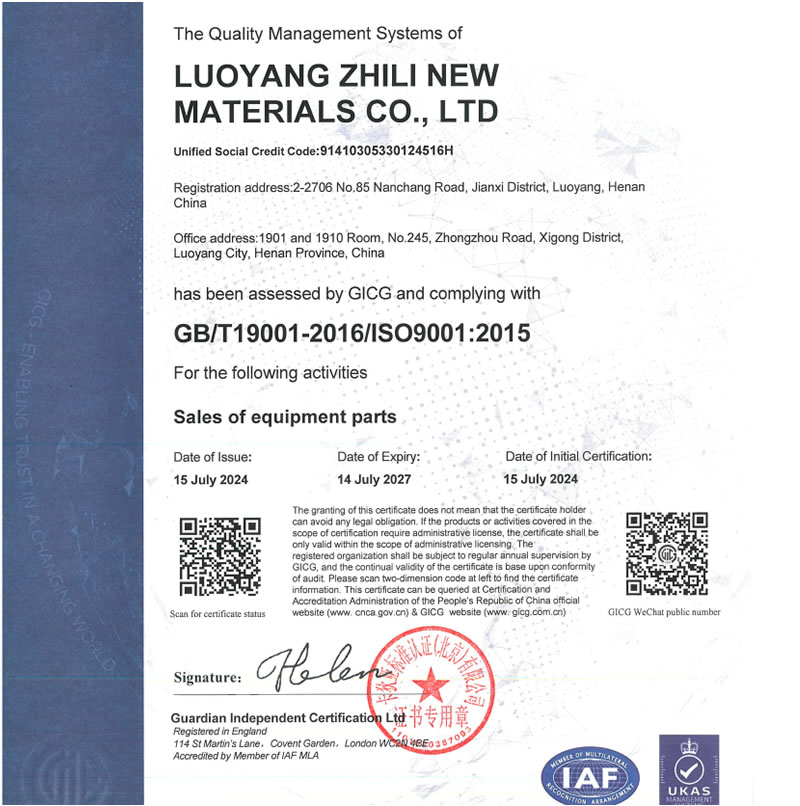
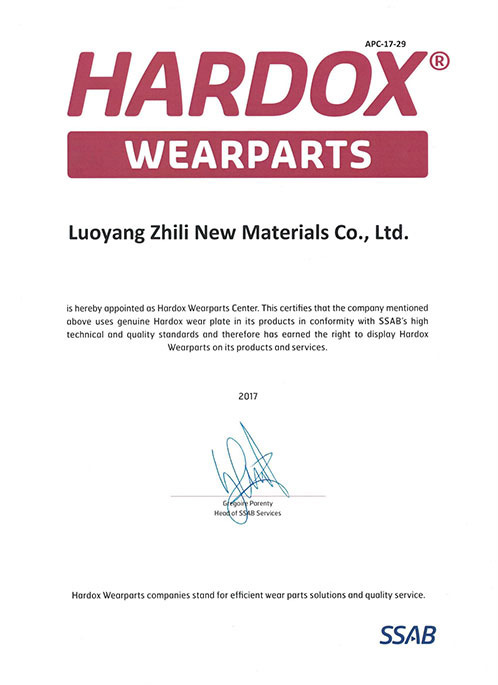
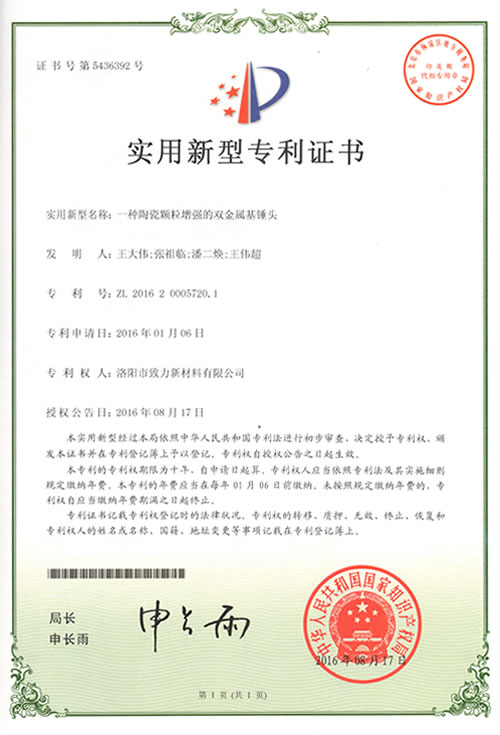
Certifications & Authorizations
Quality you can verify. Partners you can trust.
Custom OEM / ODM
From drawing to delivery — one-stop customization, no minimum order
Send Drawing
Upload your technical drawing (PDF, DWG, STEP, IGES) or share sample photos with dimensions
Engineering Review
Material recommendation, casting process design, DFM analysis — free quotation within 24 hours
Sampling & Test
Prototype production with full inspection: hardness test, spectrometer, dimensional check
Production & Ship
ISO 9001 certified. 15-25 days standard lead time. Global shipping with full documentation
Frequently Asked Questions
The choice between high chrome iron (Cr15/Cr20/Cr27) and manganese steel (Mn13/Mn13Cr2) for chute liners comes down to a single question: is there significant impact at the wear point?
Decision guide by application:
- Pure sliding wear (chute walls, hopper sides, conveyor skirts): ALWAYS high chrome iron (Cr20 or Cr27). No impact means no risk of fracture. Chrome iron hardness of 58-64 HRC delivers 2-3x longer life than Mn steel and 4-6x longer than mild steel.
- Impact points (transfer chute bottoms, crusher discharge, conveyor drop zones): Manganese steel (Mn13Cr2). The impact work-hardens the surface to 480-580 HBW while the core remains tough enough to absorb impact. Chrome iron WILL fracture at impact points.
- Mixed zone chute (upper wall = sliding, bottom = impact): Use Cr20 on walls and Mn13Cr2 on the bottom/impact plate. Mixing materials optimizes both cost and life.
- Hot material chutes (>300 C): Use Cr27 exclusively. Manganese steel loses strength above 250 C. Chrome iron maintains hardness up to 500 C.
Quick test: Drop a 25 mm steel ball from 1 meter onto the wear area. If you hear a sharp crack, use Mn steel. If it’s just a dull thud, chrome iron is your best choice.
ZHILI offers five mounting systems for chute liners. The right choice depends on how often liners need changing, access constraints, and whether the chute is curved or flat:
- Countersunk bolted (most common): Bolted from inside the chute with countersunk heads 2-3 mm below surface to protect bolts. Best for flat surfaces with rear access. Standard bolts: M16 or M20 countersunk, with lock nuts. Bolt spacing: 150-200 mm typical.
- Slotted rail system (recommended for frequent changes): Rails welded to chute wall, liners slide in from the top and lock with retaining clips. No bolt access needed — all change work done from inside the chute. Change time reduced by 60-80% vs bolted. Best for large flat chutes.
- Magnetic-backed (fastest change): Liners have rare-earth magnetic blocks bonded to the back. Simply place against the steel chute wall and they self-retain. Removal requires a pry bar. Only for non-heated (<80 C) chutes.
- Weld-on (permanent, curved surfaces): Plates plug-welded or edge-welded directly to chute. Best for irregular or curved surfaces where bolts cannot seal. Must grind off and re-weld for replacement.
Chute liners wear unevenly — sliding wear concentrates in specific zones while other areas remain almost new. Replacing entire chute liners prematurely wastes material cost; replacing too late risks chute shell damage and costly production downtime:
Wear monitoring protocol:
- UT thickness mapping (monthly): Mark 6-8 grid points on each plate and measure thickness with an ultrasonic gauge. Record values in a spreadsheet to track wear rate trends. Focus measurements on the highest-wear zones (typically the lower third of the chute and impact points).
- Replacement trigger: Replace individual plates when remaining thickness reaches 25-30% of original. Example: 20 mm original = replace at 5-6 mm remaining. DO NOT wait until through-holes appear — once the chute wall is exposed, repairs cost 3-5x more than liner replacement.
- Zonal replacement strategy: Don’t replace all liners at once. High-wear zones (bottom third, impact points) may need replacement every 6-12 months. Low-wear zones (upper walls, protected areas) can last 24-36 months. Replace by zone, not by date.
- Bolt head wear check: If countersunk bolt heads are becoming flush with or protruding from the plate surface, bolt wear has begun. Replace the plate immediately — worn bolt heads cause material hang-up and accelerate surrounding plate wear.
Liner change planning: Map your chute wear zones during the first year of operation. Order replacement liners for the high-wear zones 15 days before predicted replacement date. Keep one full set of liners for critical chutes in your maintenance inventory to avoid production stoppages.
Related Products
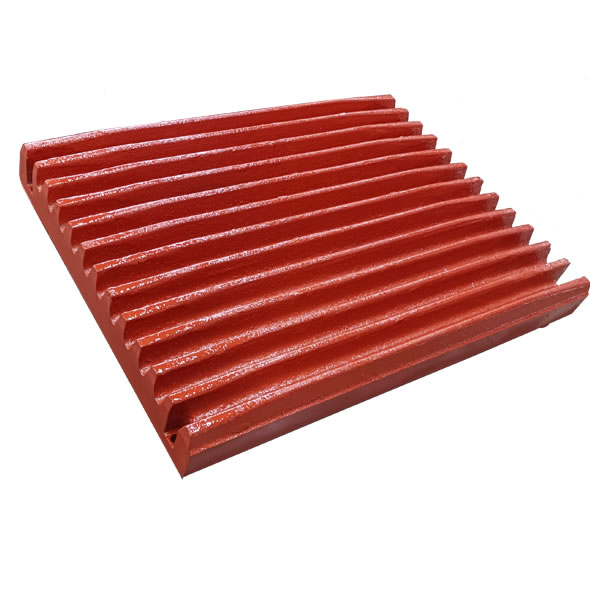
Jaw Plate
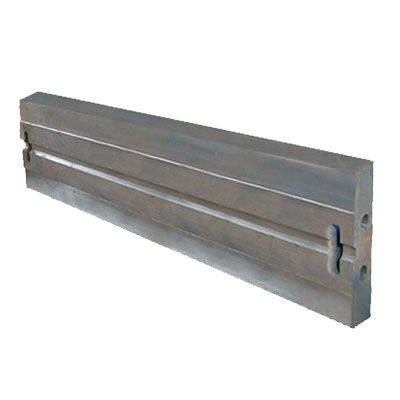
Blow Bar
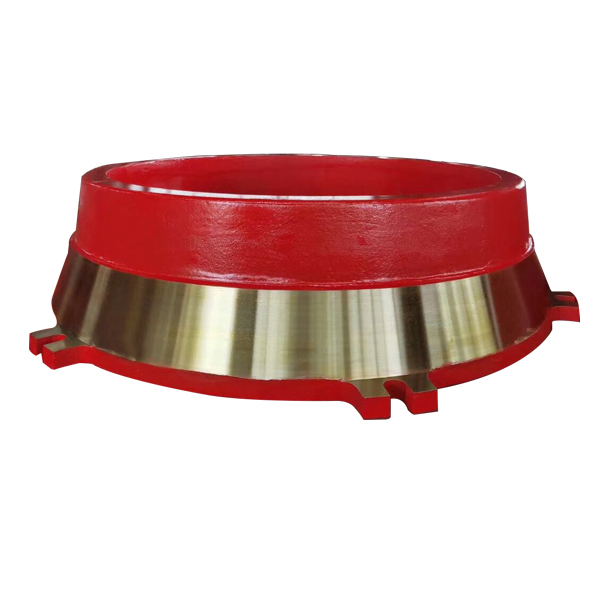
Mantle & Concave
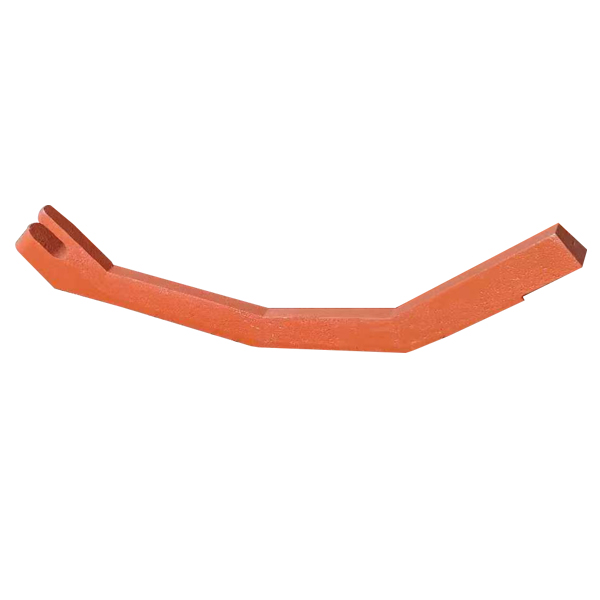
Grate Bar
Contact Us
Get a quote within 24 hours. Send us your inquiry today.

+86 199 8785 7268
Mon-Sat 8AM-10PM CST Scan to chat — English, Spanish, Chinese Send photos of worn parts for instant quote

+86 199 8785 7268
Scan to follow — factory updates and quotes Chat in Chinese or English