

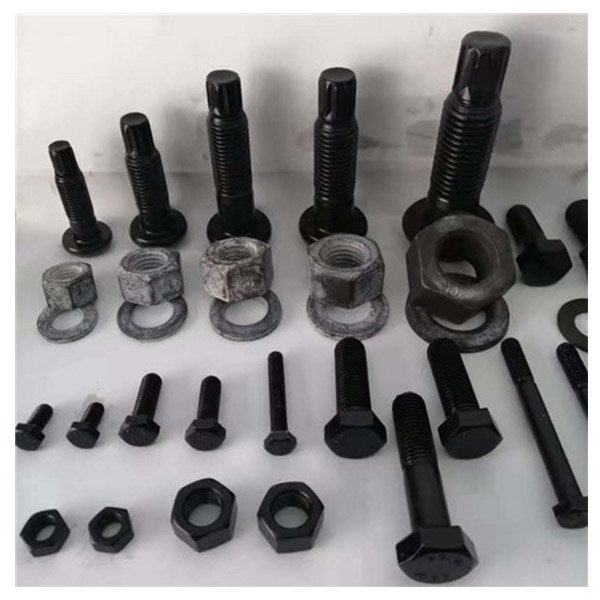
Bolts & Nuts
High-strength fasteners for crusher & mill liner assembly. Grade 8.8-12.9 alloy steel with OEM & custom dimensions
Bolts & Nuts
Material Specifications & Selection Guide
| Grade | Tensile (MPa) | Yield (MPa) | Elong. (%) | Hardness | Material |
|---|---|---|---|---|---|
| 8.8 | 800 | 640 | 12 | 22-32 HRC | Carbon Steel |
| 10.9 | 1000 | 900 | 9 | 32-39 HRC | 40Cr / Alloy Steel |
| 12.9 | 1200 | 1080 | 8 | 39-44 HRC | 35CrMo / Alloy Steel |
| A2-70 (SS) | 700 | 450 | 30 | — | 304 Stainless Steel |
| A4-80 (SS) | 800 | 600 | 20 | — | 316 Stainless Steel |
| Thread Size | Standard | Head Type | Pitch (mm) | Length Range | Drive |
|---|---|---|---|---|---|
| M12 | DIN 933 / ISO 4017 | Hex Head | 1.75 | 25 – 120 mm | 19 mm |
| M16 | DIN 931 / ISO 4014 | Hex Head | 2.0 | 30 – 200 mm | 24 mm |
| M20 | DIN 931 / ISO 4014 | Hex Head | 2.5 | 40 – 300 mm | 30 mm |
| M24 | DIN 931 / ISO 4014 | Hex Head | 3.0 | 50 – 400 mm | 36 mm |
| M30 | DIN 7991 / ISO 10642 | Hex / CSK | 3.5 | 60 – 500 mm | 46 mm |
| M36 | DIN 7991 / ISO 10642 | Hex / CSK | 4.0 | 80 – 500 mm | 55 mm |
| M42-M72 | DIN 912 / ISO 4762 | Hex / Socket | 4.5-6.0 | 100 – 800 mm | Custom |
| Coating Type | Corrosion Resistance | Temp Range | Thickness | Application |
|---|---|---|---|---|
| Black Oxide | Low | -50 to 200 C | 1-5 um | Indoor, dry environments |
| Zinc Plated (EL) | Medium | -50 to 120 C | 8-12 um | General purpose, indoor |
| Zinc Flake (DA) | High | -50 to 300 C | 10-15 um | Crusher/mill exteriors |
| Hot-Dip Galv. (HDG) | Very High | -50 to 200 C | 45-85 um | Outdoor, wet environments |
| PTFE Coated | Excellent | -200 to 260 C | 15-25 um | Chemical/corrosive zones |
Selection Quick Reference
- Crusher liner bolting (standard): Grade 10.9 hex head, M24-M30, zinc flake coated — balances strength and corrosion protection for typical mining conditions
- Mill liner bolting (high torque): Grade 12.9, M30-M42, HDG or zinc flake — maximum tensile strength for heavy impact and vibration
- Wet grinding / corrosive slurry (mill internals): A4-80 (316 SS), countersunk head, M20-M30 — corrosion-resistant stainless for acidic or high-moisture environments
- High-temperature kiln connections: Grade 8.8, M16-M24, zinc flake — moderate strength with thermal stability up to 300 C
- Custom / OEM dimensions: Available in all grades with M12-M72 thread, any head type, fully traceable per ISO 898-1 / ISO 3506
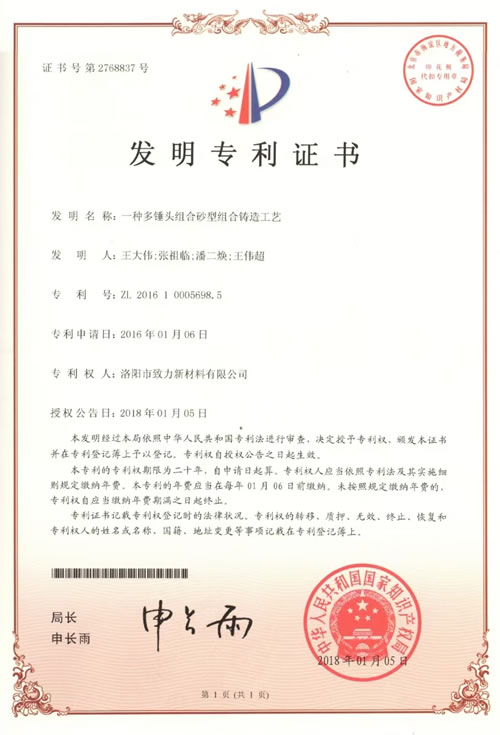
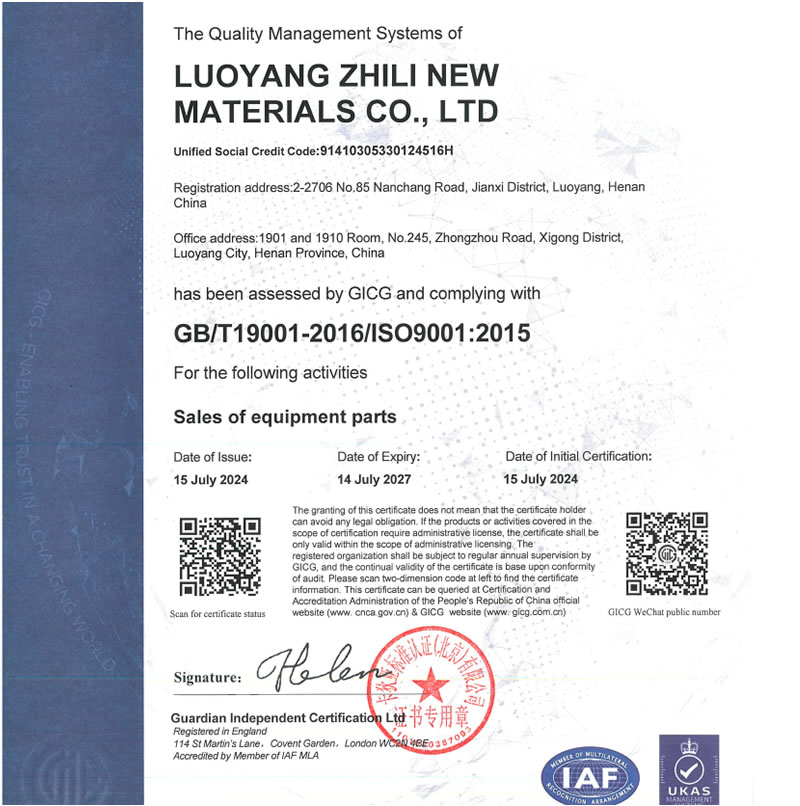
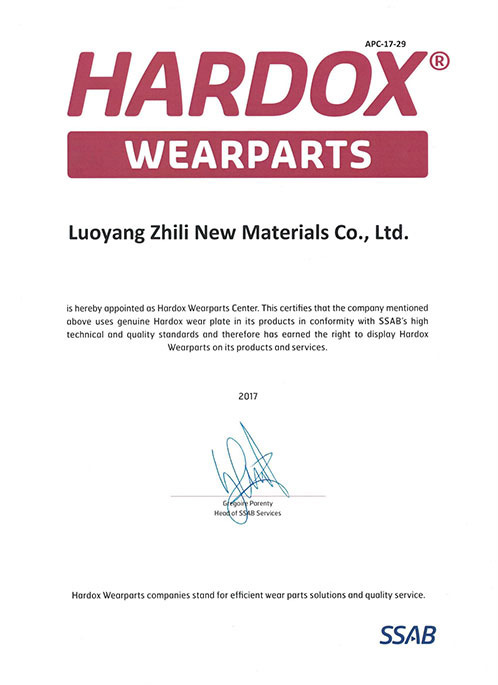
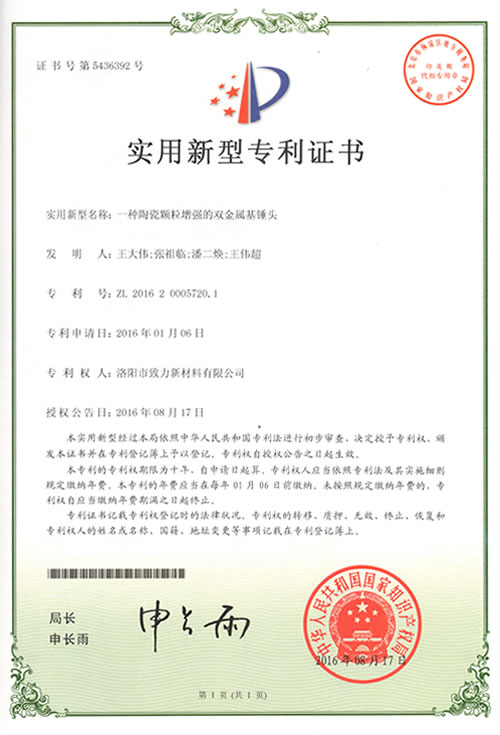
Certifications & Authorizations
Quality you can verify. Partners you can trust.
Custom OEM / ODM
From drawing to delivery — one-stop customization, no minimum order
Send Drawing
Upload your technical drawing (PDF, DWG, STEP, IGES) or share sample photos with dimensions
Engineering Review
Material recommendation, casting process design, DFM analysis — free quotation within 24 hours
Sampling & Test
Prototype production with full inspection: hardness test, spectrometer, dimensional check
Production & Ship
ISO 9001 certified. 15-25 days standard lead time. Global shipping with full documentation
Frequently Asked Questions
Bolt grade selection balances tensile strength, toughness, and cost. Higher grades give more clamping force but become progressively more notch-sensitive:
- Grade 8.8 (800 MPa, 22-32 HRC): Best all-around choice for general equipment assembly. Good toughness, less sensitive to hydrogen embrittlement. Use for rotary kiln connections, non-critical structural joints, and where moderate loads apply.
- Grade 10.9 (1000 MPa, 32-39 HRC): Standard for crusher liner bolting. Excellent balance of strength and toughness. The go-to grade for jaw crusher cheek plates, cone crusher mantle bolts, and mill liner applications.
- Grade 12.9 (1200 MPa, 39-44 HRC): Maximum clamping force for heavy impact and vibration. Use for SAG mill liners, large gyratory bolts, and high-torque connections. Requires careful torque control — over-tightening risks brittle fracture.
Torque rule of thumb: For crusher liners, tighten to 70% of the bolt’s yield strength (not tensile). Example: M30 Grade 10.9 — target ~1,550 Nm. Always re-torque after 4-8 hours of initial operation to compensate for liner seating and thermal expansion.
Surface treatment is selected based on corrosion exposure, temperature, and service life requirements. The wrong coating can cause premature failure through hydrogen embrittlement or galvanic corrosion:
- Black Oxide (1-5 um): Minimal corrosion protection. Use only for indoor, dry environments. Low cost, no risk of hydrogen embrittlement. Common for pre-assembled spare parts stored in warehouse conditions.
- Zinc Flake / Dacromet (10-15 um): Best choice for most crusher and mill applications. Excellent salt-spray resistance (480-720 hours), no hydrogen embrittlement risk for Grade 10.9 and above. Temperature stable to 300 C. Our recommended default for mining equipment.
- Hot-Dip Galvanized / HDG (45-85 um): Maximum outdoor durability with thick sacrificial zinc layer. Excellent for wet grinding circuits, outdoor conveyors, and coastal installations. Note: requires oversized nuts to accommodate coating thickness. Not recommended above 200 C.
- PTFE Coated (15-25 um): Use in chemical processing or highly corrosive slurry environments. Provides both corrosion resistance and low-friction assembly. Temperature range: -200 C to 260 C.
Bolt loosening in crushers and mills is caused by repeated impact loading, thermal cycling, and liner wear settlement. A combination of mechanical locking and proper installation practice is essential:
- Nord-Lock wedge-locking washers: The most reliable anti-loosening solution for crusher applications. The cam-face design uses tension instead of friction — vibration actually tightens the joint. Use in pairs (one pair per bolt). Compatible with all bolt grades and coatings.
- Thread-locking compound: Apply Loctite 243 (medium strength, oil-tolerant) or Loctite 270 (high strength) to bolt threads before assembly. The adhesive fills thread gaps and prevents micro-movement. Note: high-temperature applications (>150 C) require Loctite 272.
- Torque + turn method: For critical joints (mill liners, crusher frame bolts), use the torque-plus-angle method. Tighten to 30% of final torque for alignment, then apply the required turn angle (typically 90-180 degrees). This gives more consistent preload than torque alone.
- Re-torque schedule: Always re-torque liner bolts after 4-8 hours of initial operation. The liner material compresses as it seats, reducing bolt preload by 20-40%. Re-check weekly for the first month, then monthly during routine maintenance.
Warning — hydrogen embrittlement: Grade 12.9 bolts are susceptible to hydrogen embrittlement when electroplated. Always use mechanical plating (zinc flake) or specify post-plating bake (200 C for 4 hours) within 1 hour after plating. A single embrittled 12.9 bolt can fail catastrophically under load without warning.
Related Products
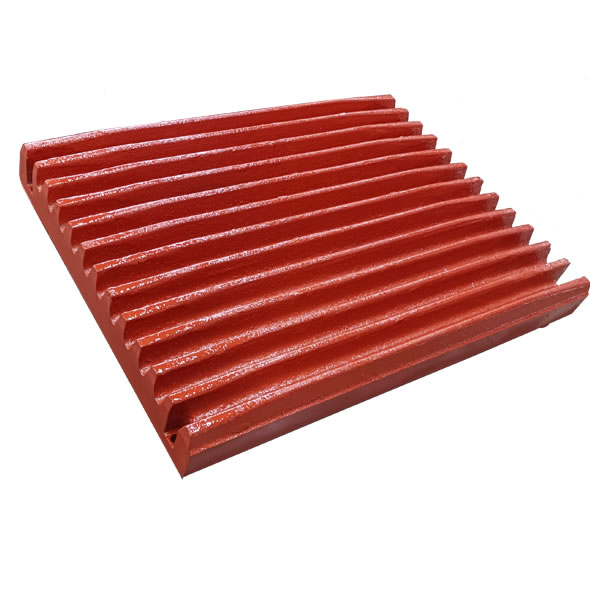
Jaw Plate
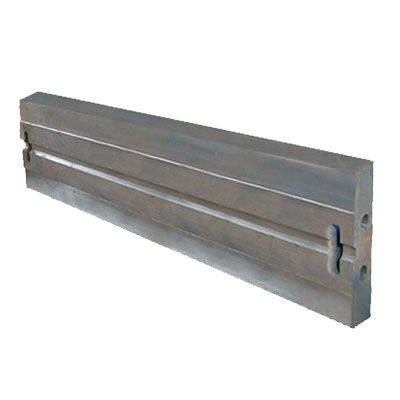
Blow Bar
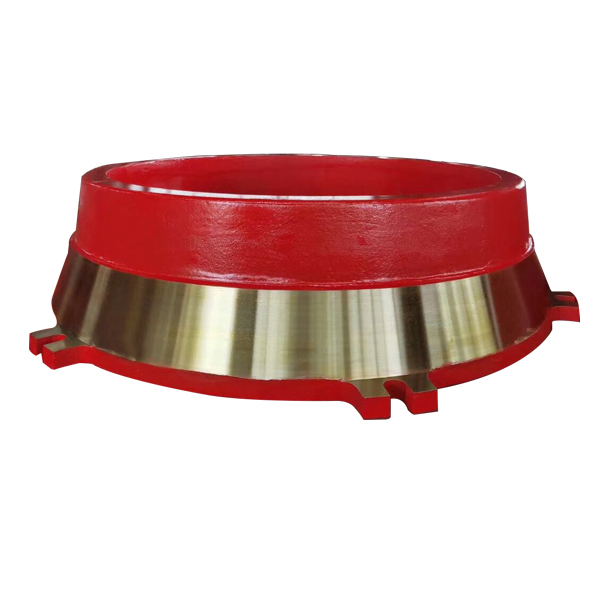
Mantle & Concave
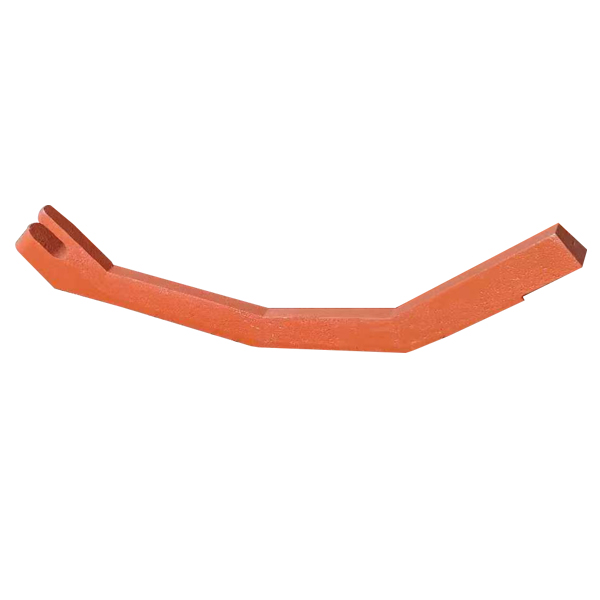
Grate Bar
Contact Us
Get a quote within 24 hours. Send us your inquiry today.

+86 199 8785 7268
Mon-Sat 8AM-10PM CST Scan to chat — English, Spanish, Chinese Send photos of worn parts for instant quote

+86 199 8785 7268
Scan to follow — factory updates and quotes Chat in Chinese or English