

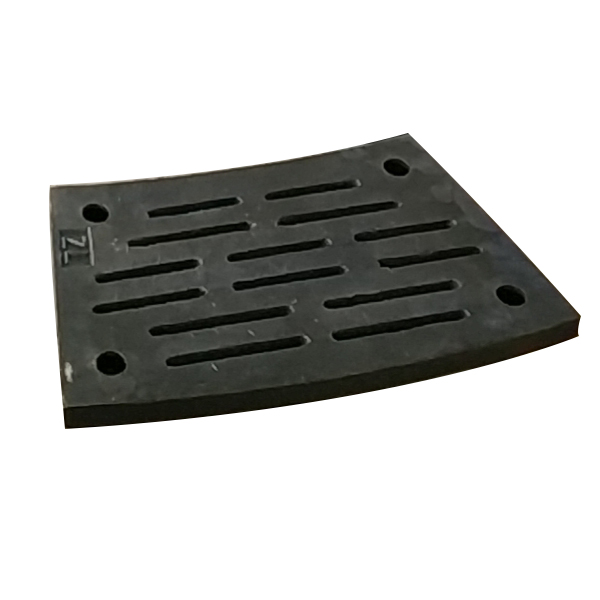
Crusher Mill Grate Plate / Diaphragm
High chrome iron grate plates and diaphragm segments for ball mills and cement mills. Engineered for optimal air flow classification and wear resistance in multi-chamber grinding systems. Temperature rating up to 400 C
Crusher Mill Grate Plate / Diaphragm
Material Specifications & Selection Guide
| Grade | Class | Standard | Hardness (HRC) | Slot Width | Key Feature | Application |
|---|---|---|---|---|---|---|
| Cr15 | High Cr Iron | GB/T 8263 | 55-60 | 6-15 mm | Good balance of wear & toughness | Intermediate diaphragm, fine grinding |
| Cr20 | High Cr Iron | GB/T 8263 | 58-62 | 6-20 mm | Excellent abrasion resistance | Outlet diaphragm, finish mill grates |
| Cr26 | High Cr Iron | GB/T 8263 | 60-64 | 8-25 mm | Maximum wear resistance | 1st chamber discharge, crusher mill |
| Cr27Mo2 | Super High Cr | GB/T 8263 | 60-64 | 8-25 mm | Mo-alloyed, best corrosion resistance | Wet grinding, corrosive slurry |
| Grade | C (%) | Cr (%) | Mn (%) | Si (%) | Mo (%) | Ni (%) | P/S Max |
|---|---|---|---|---|---|---|---|
| Cr15 | 2.40-3.00 | 14.0-17.0 | 0.50-1.00 | 0.50-1.00 | 0.50-1.00 | <1.0 | 0.060 |
| Cr20 | 2.60-3.20 | 18.0-22.0 | 0.50-1.00 | 0.50-1.00 | 1.00-2.00 | <1.0 | 0.060 |
| Cr26 | 2.60-3.20 | 24.0-28.0 | 0.50-1.00 | 0.50-1.00 | <1.0 | <1.0 | 0.060 |
| Cr27Mo2 | 2.80-3.40 | 25.0-28.0 | 0.50-1.00 | 0.50-1.00 | 1.80-2.50 | <1.0 | 0.060 |
| Plate Type | Slot Pattern | Slot Width | Open Area (%) | Segment Size | Compatible OEM |
|---|---|---|---|---|---|
| Outlet Grate Plate | Radial slots | 6-10 mm | 8-12% | 300 x 600 mm (typ) | Metso, FLSmidth, CITIC |
| Intermediate Diaphragm | Circumferential slots | 8-12 mm | 10-15% | 250 x 500 mm (typ) | FLSmidth, Outotec, Sinoma |
| Discharge Grate | Parallel slots | 10-15 mm | 12-18% | 350 x 700 mm (typ) | Metso, CITIC, Shenyang |
| Crusher Mill Grate | Wide parallel slots | 15-25 mm | 15-25% | 400 x 800 mm (typ) | FLSmidth, KHD, Sinoma |
| Blind Plate (Solid) | No slots | N/A | 0% | Varies | All OEMs |
Selection Quick Reference
- Outlet grate plate (finish grinding, fine material): Cr20 + radial slots 6-10 mm — high chrome iron with narrow slots for final classification, 58-62 HRC ensures consistent slot width over wear life
- Intermediate diaphragm (chamber 1-2 separation, medium material): Cr15 + circumferential slots 8-12 mm — balanced toughness and wear resistance, slot orientation optimizes material flow with mill rotation
- Crusher mill / 1st chamber discharge (coarse material, high impact): Cr26 + parallel slots 15-25 mm — highest Cr for maximum wear resistance, wider slots to pass larger particles
- Wet grinding / corrosive environment: Cr27Mo2 — Mo alloyed for superior corrosion resistance in wet slurry conditions, prevents pitting and slot edge degradation
- All grate plates are stress-relieved at 550-600 C after casting. Slot tolerance is +/- 0.5 mm. Open area is calculated as total slot area / plate surface area
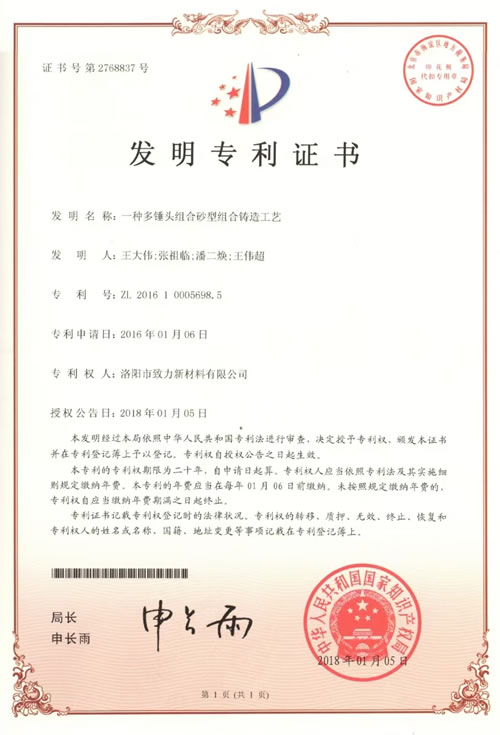
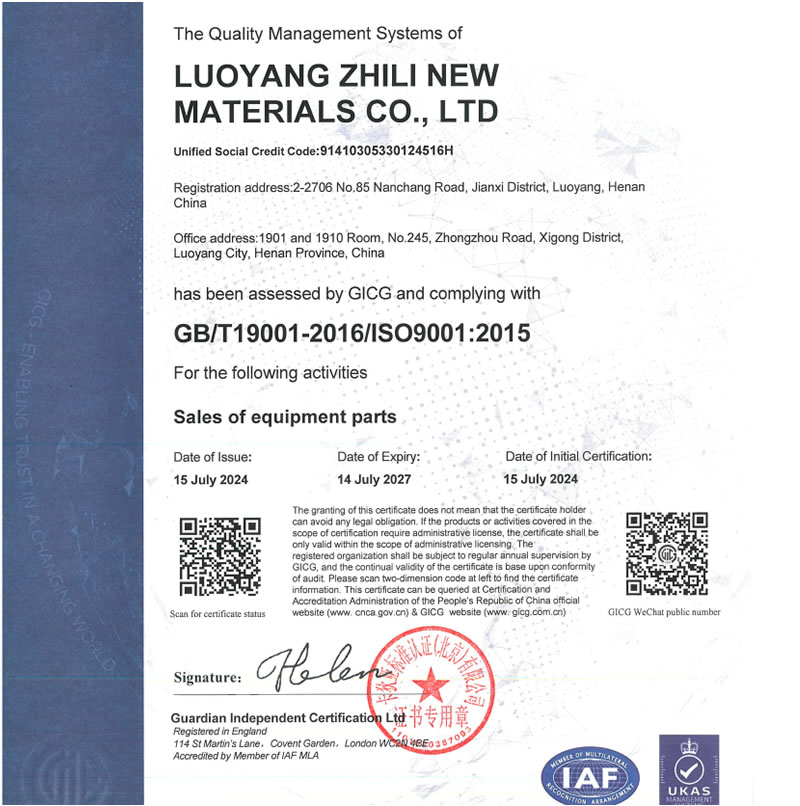
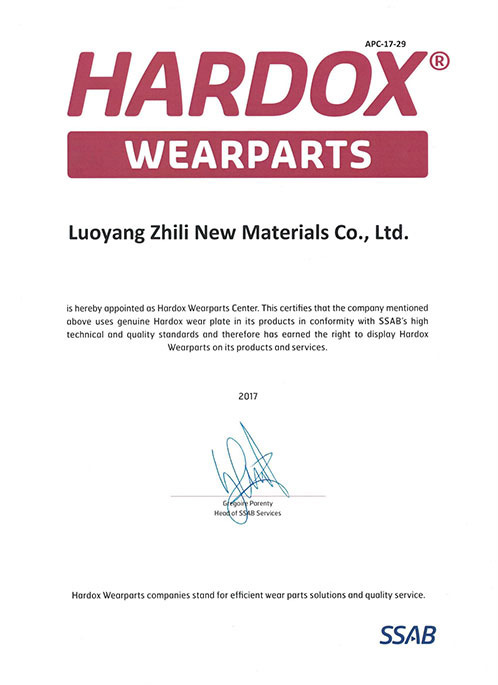
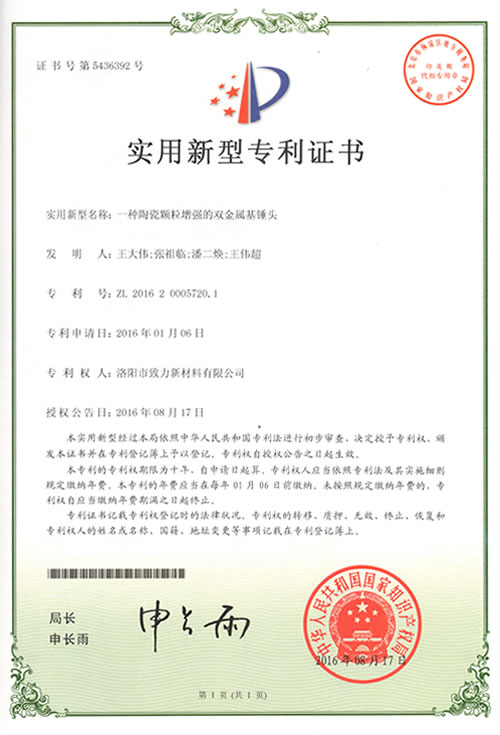
Certifications & Authorizations
Quality you can verify. Partners you can trust.
Custom OEM / ODM
From drawing to delivery — one-stop customization, no minimum order
Send Drawing
Upload your technical drawing (PDF, DWG, STEP, IGES) or share sample photos with dimensions
Engineering Review
Material recommendation, casting process design, DFM analysis — free quotation within 24 hours
Sampling & Test
Prototype production with full inspection: hardness test, spectrometer, dimensional check
Production & Ship
ISO 9001 certified. 15-25 days standard lead time. Global shipping with full documentation
Frequently Asked Questions
Grate plates and diaphragms are critical classification components inside ball mills and cement mills. Unlike shell liners which only protect the mill body, these components actively control material flow and grinding efficiency:
Three critical functions:
- Particle size classification: Grate slots act as a sieve — only particles smaller than the slot width pass through. This ensures that only properly ground material moves to the next chamber or exits the mill. Oversize particles are retained for further grinding.
- Grinding media separation: The diaphragm physically separates grinding balls between chambers. Chamber 1 uses larger balls (60-90 mm) for coarse grinding; chamber 2 uses smaller balls (20-40 mm) for fine grinding. Without the diaphragm, balls would mix and efficiency drops 15-25%.
- Material level control: The grate’s open area determines how quickly material passes through. A clogged or worn grate with enlarged slots allows material to rush through, reducing residence time and causing coarse product. A properly sized grate maintains optimal material bed depth for maximum grinding efficiency.
Slot width and open area are the two most critical design parameters for grate plates. Get them wrong, and you either blind the grate (too narrow) or lose classification control (too wide):
Slot width selection by mill position:
- Outlet grate (finish mill, product side): 6-10 mm. This is the final classification point. Slot width should be 1.5-2x the target product size (e.g., for 4000 Blaine cement, use 8-10 mm slots). Narrower slots produce finer product but increase mill power consumption by 3-5%.
- Intermediate diaphragm (chamber 1 to 2): 8-12 mm. Material here is medium-coarse (R90 of 30-50%). Wider slots allow faster throughput. If you measure >70% passing through chamber 2 outlet grate, open the intermediate diaphragm slots by 1-2 mm.
- Crusher mill / 1st chamber discharge: 15-25 mm. Material is still coarse (R90 of 60-80%). Wide slots prevent blinding and premature wear. If slots clog within 500 hours, increase slot width by 3-5 mm on the next order.
Open area adjustment: If the mill is over-grinding (high Blaine but low output), increase open area by 2-3%. If product is too coarse, reduce open area by 2-3%. Adjust in small increments — a 2% change in open area shifts Blaine by approximately 200-300 Blaine points.
Grate plates wear in a characteristic pattern that directly affects mill performance. The most critical wear occurs at the slot edges because slot width determines classification accuracy:
Wear assessment protocol:
- Slot width measurement (every 1000 hours): Use a slot gauge or caliper to measure slot width at 6-8 points per plate. When average slot width exceeds 150% of the original specification, the plate has lost classification control. Example: 8 mm original = replace at >12 mm average.
- Plate thickness measurement: UT gauge at multiple points. Replace when remaining thickness reaches 30% of original. Thinned plates risk structural failure under material load.
- Clogging inspection (weekly visual): Check for pebble or tramp material trapped in slots. Clogged slots reduce effective open area. If >15% of slots are blocked, clean or adjust slot width.
- Slot edge condition: Rounded slot edges indicate erosion enlargement. Sharp edges indicate normal wear. During annual shutdown, map slot widths and replace any plate with >3 slots exceeding the 150% threshold.
Performance indicator: Monitor product Blaine vs mill power trend. A gradual increase in power consumption at constant Blaine is often caused by grate slot enlargement — the mill works harder to retain material that leaks through prematurely. Replace grates when power increase exceeds 5%.
Related Products
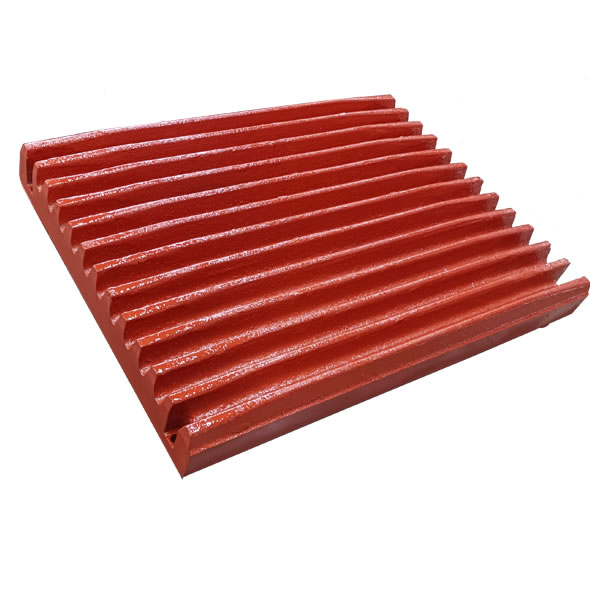
Jaw Plate
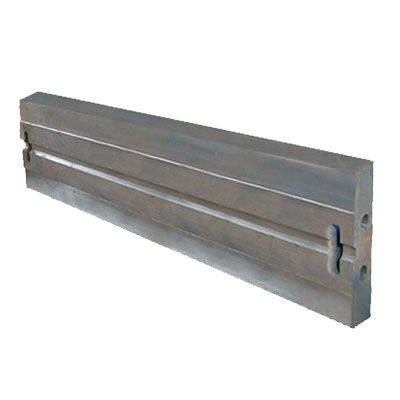
Blow Bar
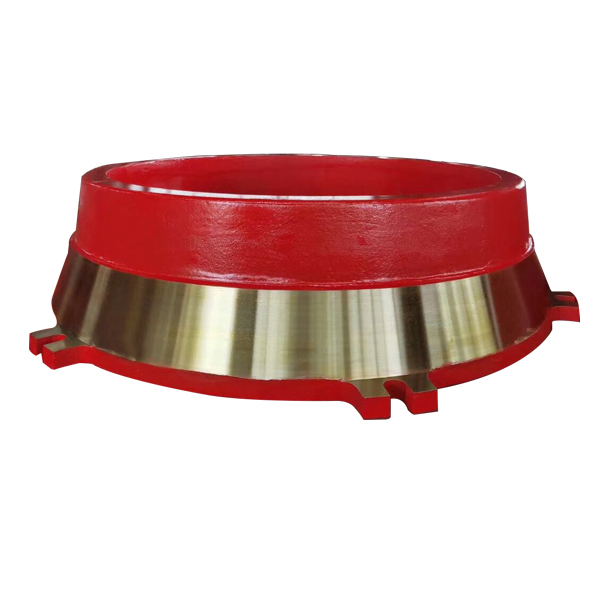
Mantle & Concave
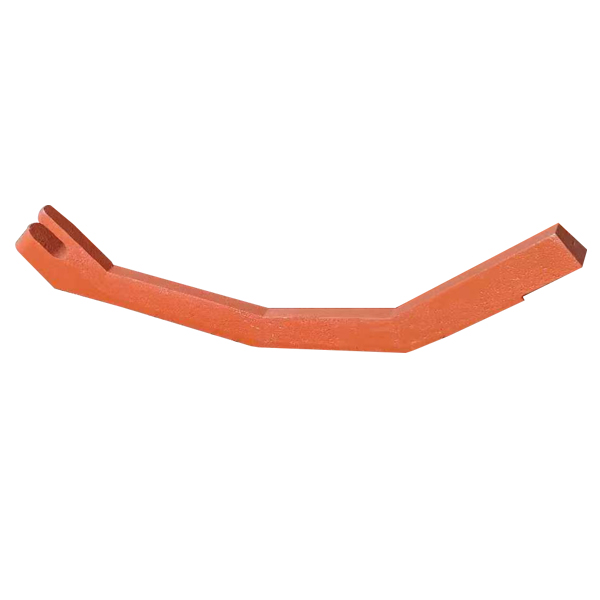
Grate Bar
Contact Us
Get a quote within 24 hours. Send us your inquiry today.

+86 199 8785 7268
Mon-Sat 8AM-10PM CST Scan to chat — English, Spanish, Chinese Send photos of worn parts for instant quote

+86 199 8785 7268
Scan to follow — factory updates and quotes Chat in Chinese or English