

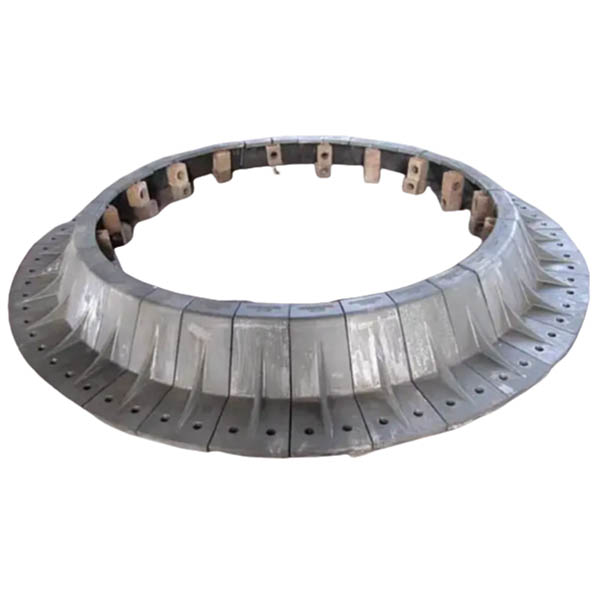
Kiln Guard Plate
Heat-resistant steel kiln guard plates for rotary cement kilns. Protects kiln shell from high-temperature clinker and combustion gases. Available in ZG40Cr25Ni20Si2 and ZG35Cr28Ni48 alloys for 1050-1150 C service
Kiln Guard Plate
Material Specifications & Selection Guide
| Grade | Standard | Max Temp | Key Feature | Application |
|---|---|---|---|---|
| ZG40Cr25Ni20Si2 | GB/T 8492 | 1050 C | Excellent oxidation resistance, best all-round performance | Burning zone guard plates, burner nozzle protection |
| ZG35Cr28Ni48 | GB/T 8492 | 1150 C | Superior creep strength at extreme temperatures | Highest-temperature zone, alternative fuel kilns |
| ZG40Cr28Ni16 | GB/T 8492 | 1050 C | Good thermal shock resistance, balanced Cr/Ni ratio | Transition zone guard plates, clinker cooling zone |
| ZG30Cr20Ni10 | GB/T 8492 | 900 C | Cost-effective for medium temperature zones | Inlet/outlet zones, cooler lifting blades |
| ZG35Ni35Cr26 | EN 10295 | 1100 C | Best carburization resistance for alternative fuel kilns | Co-processing/alternative fuel burning zones |
| Grade | C (%) | Cr (%) | Ni (%) | Si (%) | Mn (%) | P (%) | S (%) |
|---|---|---|---|---|---|---|---|
| ZG40Cr25Ni20Si2 | 0.35-0.45 | 24.0-27.0 | 19.0-22.0 | 1.50-2.50 | 0.50-1.50 | 0.040 | 0.040 |
| ZG35Cr28Ni48 | 0.30-0.40 | 26.0-30.0 | 46.0-50.0 | 1.00-2.00 | 0.50-1.50 | 0.040 | 0.040 |
| ZG40Cr28Ni16 | 0.35-0.45 | 26.0-30.0 | 14.0-18.0 | 1.00-2.00 | 0.50-1.50 | 0.040 | 0.040 |
| ZG30Cr20Ni10 | 0.25-0.35 | 18.0-22.0 | 8.0-12.0 | 1.00-2.00 | 0.50-1.50 | 0.040 | 0.040 |
| ZG35Ni35Cr26 | 0.30-0.40 | 24.0-28.0 | 33.0-37.0 | 1.00-2.00 | 1.00-2.00 | 0.040 | 0.040 |
| Grade | Tensile (MPa) | Yield (MPa) | Elong. (%) | Hardness (HBW) | Creep 1000 C (MPa) |
|---|---|---|---|---|---|
| ZG40Cr25Ni20Si2 | 450 | 235 | 8 | 180-240 | 15 |
| ZG35Cr28Ni48 | 440 | 220 | 6 | 180-240 | 25 |
| ZG40Cr28Ni16 | 420 | 220 | 6 | 170-230 | 12 |
| ZG30Cr20Ni10 | 400 | 200 | 8 | 160-220 | 10 |
| ZG35Ni35Cr26 | 420 | 220 | 6 | 170-230 | 20 |
Selection Quick Reference
- Burning zone / clinker formation zone (1100-1200 C gas, 1400 C clinker): ZG35Cr28Ni48 — highest creep strength, resists sagging under extreme thermal load
- Upper transition zone (900-1050 C): ZG40Cr25Ni20Si2 — best combination of oxidation resistance and cost, standard choice for most kilns
- Lower transition / cooling zone: ZG40Cr28Ni16 — balanced thermal shock resistance for rapid temperature cycling near clinker discharge
- Inlet zone / chain section (<900 C): ZG30Cr20Ni10 — economical for cooler zones with lower thermal demands
- All grades compatible with FLSmidth, Polysius, KHD, Sinoma, Pengfei, CITIC HIC kiln designs
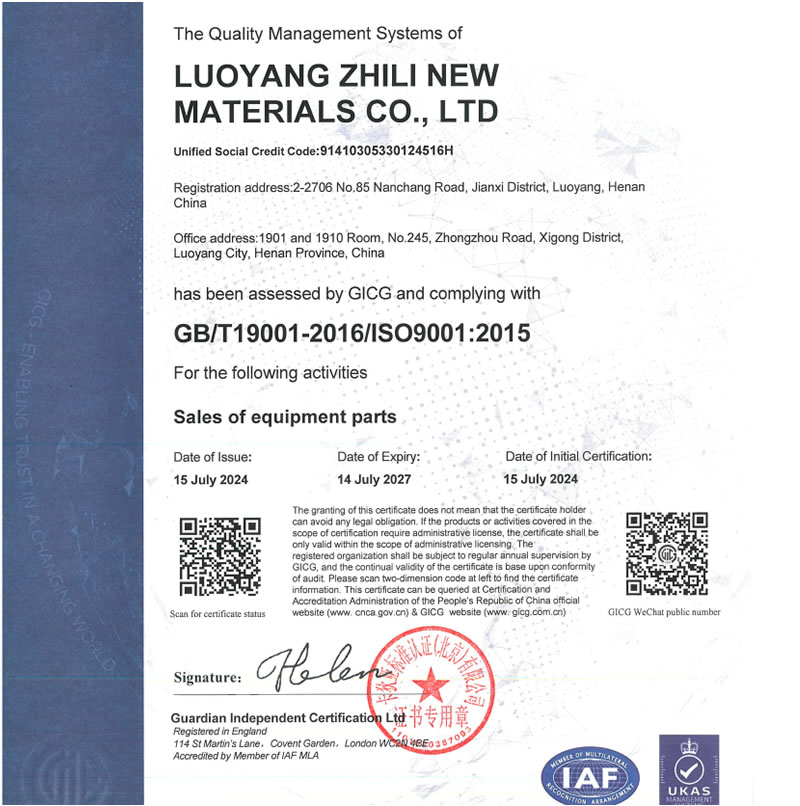
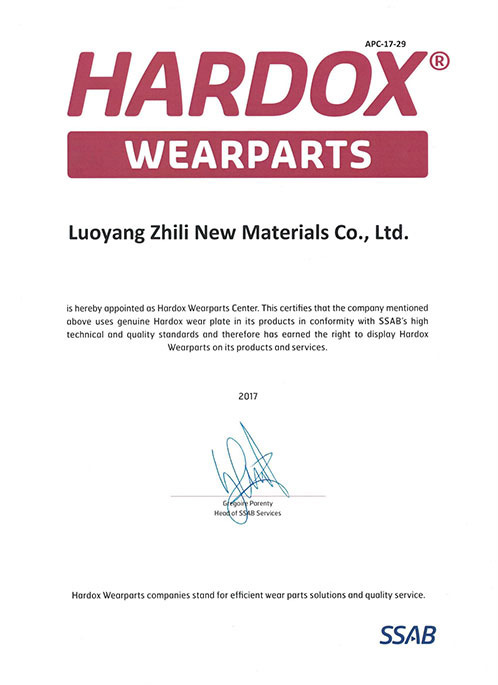
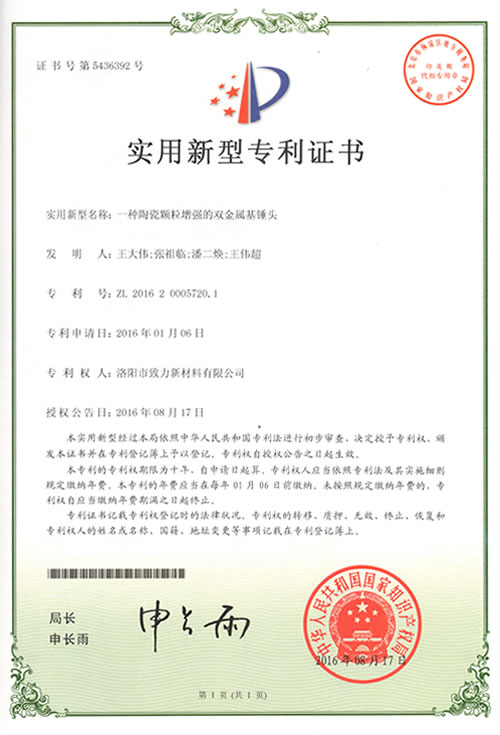
Certifications & Authorizations
Quality you can verify. Partners you can trust.

Custom OEM / ODM
From drawing to delivery — one-stop customization, no minimum order
Send Drawing
Upload your technical drawing (PDF, DWG, STEP, IGES) or share sample photos with dimensions
Engineering Review
Material recommendation, casting process design, DFM analysis — free quotation within 24 hours
Sampling & Test
Prototype production with full inspection: hardness test, spectrometer, dimensional check
Production & Ship
ISO 9001 certified. 15-25 days standard lead time. Global shipping with full documentation
Frequently Asked Questions
Kiln guard plates are custom manufactured to your kiln’s specific shell geometry. To ensure perfect fit, please provide the following when requesting a quotation:
- Kiln shell internal diameter (ID): Measured at the guard plate installation zone. This determines curvature radius.
- Brick lining thickness: The combined refractory brick + insulation bed thickness. Guard plates must sit flush on the brick surface.
- Plate dimensions: Width (along circumference) x height/length (along kiln axis) x thickness.
- Bolt pattern: Number of mounting holes, hole spacing center-to-center, hole diameter, bolt type (countersunk or hex head).
- Kiln RPM and slope: For mechanical load calculation and plate weight optimization.
No drawings? Send us your kiln make and model, plus photos of existing plates. Our engineering team will reverse-engineer using our database of 1,500+ kiln specifications from FLSmidth, Polysius, KHD, Sinoma, and CITIC HIC.
Kiln guard plates operate in one of the most aggressive environments in cement manufacturing: direct flame impingement, 1400 C clinker contact, alkali-sulfur vapor attack, and rapid thermal cycling from shell rotation.
Three primary failure mechanisms:
- Oxidation and metal loss: High-temperature oxidation gradually consumes the alloy surface, causing thinning. A 3-4 mm/year burn-off rate is typical in the burning zone. Higher Cr content (27-30%) in ZG35Cr28Ni48 provides 40% better oxidation resistance compared to 20% Cr grades.
- Creep deformation (sagging): Under sustained high temperature plus the dead weight of clinker, plates gradually deform. ZG35Cr28Ni48 has creep strength of 25 MPa at 1000 C — nearly double ZG40Cr25Ni20Si2 at 15 MPa.
- Thermal shock cracking: As the kiln rotates, plates experience rapid 200-300 C temperature swings from hot flame to cooler clinker bed. Coarse-grain cast structures (controlled by solution annealing) and properly designed expansion gaps prevent crack propagation.
Life extension tips: Allow 3-5 mm thermal expansion gap between adjacent plates. Use proper bolt torque (consult installation manual). Consider material upgrade to ZG35Cr28Ni48 if current plates fail before 8,000 hours.
Proper installation is critical to guard plate service life. Based on feedback from 500+ cement plant installations, here are key practices to follow:
- Expansion gap design: Heat-resistant steel expands approximately 1.3% at 1000 C. For a 1200 mm guard plate, this means 15-16 mm of expansion. Always leave 3-5 mm per meter between adjacent plates, and do not weld plates together.
- Bolt tightening sequence: Tighten from center outward in a cross pattern. Apply anti-seize compound to bolt threads. Do not over-torque — bolts need room for thermal expansion of the plate.
- Brick surface preparation: Mount plates on a smooth, level refractory surface. Fill any gaps or steps with refractory mortar. Uneven support causes stress concentration and premature cracking.
- Staggered plate arrangement: Offset plates between adjacent rows so that expansion joints do not align — this prevents clinker from building up in a straight-line gap.
We include a printed installation manual with every shipment. Also available as PDF upon request. Key installation data (expansion gaps, bolt torque, preheating schedule) is cast into a plate on the back of each component.
Related Products
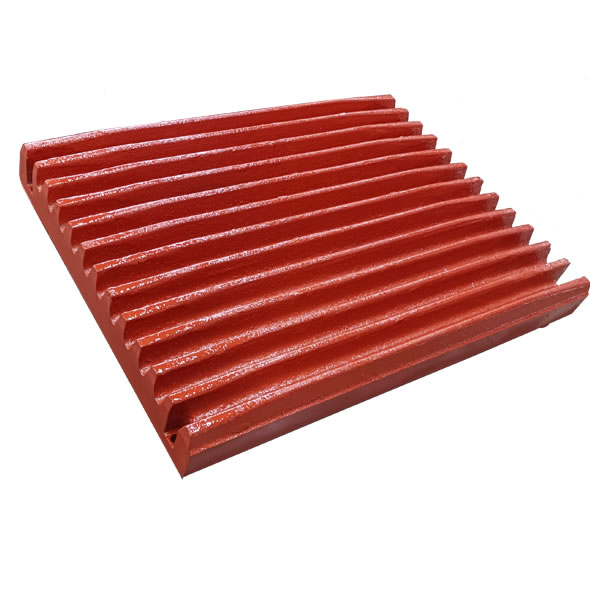
Jaw Plate
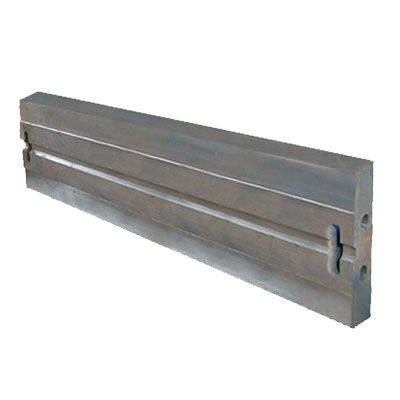
Blow Bar
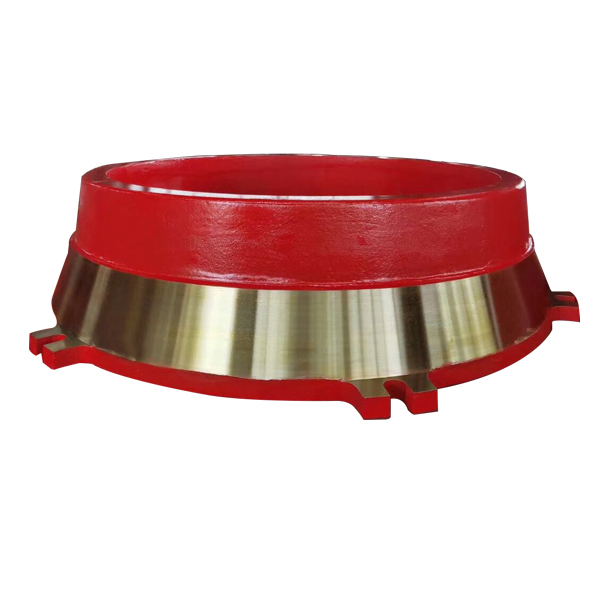
Mantle & Concave
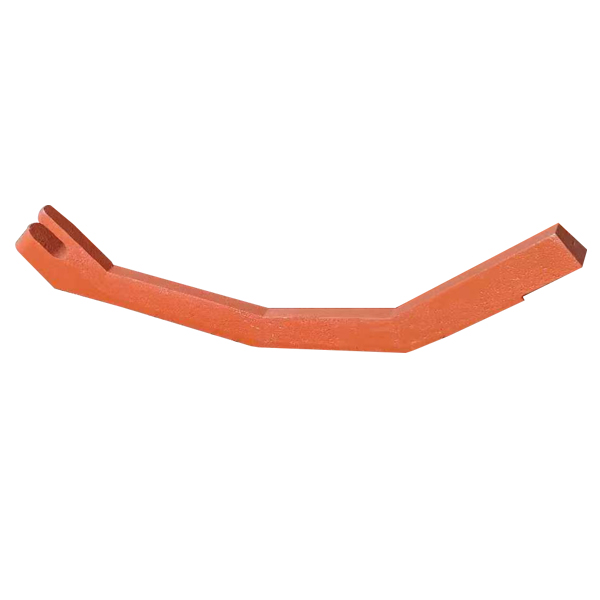
Grate Bar
Contact Us
Get a quote within 24 hours. Send us your inquiry today.

+86 199 8785 7268
Mon-Sat 8AM-10PM CST Scan to chat — English, Spanish, Chinese Send photos of worn parts for instant quote

+86 199 8785 7268
Scan to follow — factory updates and quotes Chat in Chinese or English