

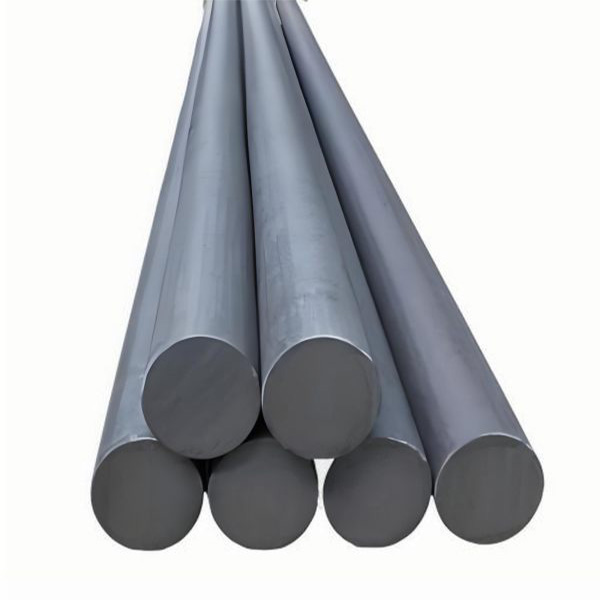
Rod Mill Grinding Rods
Heat-Treated Grinding Rods for Rod Mills — Alloy Steel (B2 / B3 / B6 / 70Mn / 75Mn) / Carbon Steel — For Wet Grinding / Coarse Grinding / Mineral Processing
Rod Mill Grinding Rods
Material Specifications & Selection Guide
| Grade | Material | Hardness | Tensile (MPa) | Surface Quality | Application |
|---|---|---|---|---|---|
| 40Cr | Cr0.8-1.1% + C0.37-0.44% | 48-55 HRC | 980-1180 | Ground / Polished | Quartz, silica sand |
| 42CrMo | Cr0.9-1.2% + Mo0.15-0.25% | 50-58 HRC | 1080-1280 | Ground / Polished | Copper, lead-zinc ore |
| 60Mn | Mn0.7-1.0% + C0.57-0.65% | 45-52 HRC | 880-1080 | Polished | Coal, limestone |
| 65Mn | Mn0.9-1.2% + C0.62-0.70% | 48-55 HRC | 980-1180 | Polished | Cement, raw meal |
| B2 Alloy | Cr-Mn alloy steel | 52-60 HRC | 1000-1200 | Precision ground | Iron ore, hard rock |
| B3 Alloy | Cr-Mo alloy steel | 55-63 HRC | 1080-1280 | Precision ground | Severe abrasion mining |
| Diameter (mm) | Length (m) | Tolerance | Straightness | Roundness | Application |
|---|---|---|---|---|---|
| 30-40 | 3.0-4.0 | +0/-0.5 mm | ≤1.5 mm/m | ≤0.5 mm | Fine grinding, sand |
| 40-50 | 3.5-5.0 | +0/-0.5 mm | ≤1.5 mm/m | ≤0.5 mm | Standard grinding |
| 50-65 | 4.0-5.5 | +0/-0.5 mm | ≤1.2 mm/m | ≤0.4 mm | Medium ore grinding |
| 65-80 | 4.5-6.0 | +0/-0.5 mm | ≤1.0 mm/m | ≤0.4 mm | Heavy duty, SAG pre |
| 80-100 | 5.0-6.5 | +0/-0.5 mm | ≤1.0 mm/m | ≤0.3 mm | Coarse grinding |
| 100-120 | 5.5-7.0 | +0/-0.5 mm | ≤0.8 mm/m | ≤0.3 mm | Primary grinding |
| Mill Type | Mill Dia. (m) | Rod Dia. (mm) | Rod Charge (%) | Rec. Grade | Consumption (kg/t) |
|---|---|---|---|---|---|
| MB Rod Mill (Fine) | 1.5-2.4 | 30-50 | 35-40 | 40Cr / 65Mn | 0.8-1.2 |
| MB Rod Mill (Std) | 2.4-3.2 | 50-65 | 35-42 | 42CrMo / 65Mn | 1.0-1.5 |
| MB Rod Mill (Large) | 3.2-4.5 | 65-100 | 38-45 | B2 / B3 Alloy | 1.2-2.0 |
| Coal Rod Mill | 2.2-3.5 | 40-65 | 32-38 | 60Mn / 65Mn | 0.5-0.8 |
| Quartz/ Silica Sand | 2.0-3.0 | 40-60 | 35-40 | 40Cr / 42CrMo | 1.5-2.5 |
| Tin/Tungsten Ore | 2.1-3.6 | 50-75 | 38-42 | B2 / B3 Alloy | 1.8-3.0 |
| Copper/Lead-Zinc | 2.4-4.0 | 50-80 | 38-45 | 42CrMo / B3 | 1.2-2.0 |
| Iron Ore | 3.0-5.0 | 65-100 | 40-48 | B2 / B3 Alloy | 1.5-2.5 |
Selection Quick Reference
- Fine grinding / silica sand (precision sizing required): 40Cr or 42CrMo grinding rods (48-58 HRC) — high hardness and uniform wear profile for consistent product size distribution, rod diameter 30-50 mm
- Cement raw meal / coal (moderate abrasion, cost-sensitive): 60Mn or 65Mn grinding rods (45-55 HRC) — economical choice with good wear resistance for softer materials, rod diameter 40-65 mm
- Copper / lead-zinc ore (abrasion + corrosion): 42CrMo or B2 alloy rods (50-60 HRC) — Cr-Mo content provides corrosion resistance in wet grinding circuits, rod diameter 50-80 mm
- Iron ore / hard rock (severe abrasion): B2 or B3 alloy rods (52-63 HRC) — highest hardness forged rods for extreme wear conditions, rod diameter 65-100 mm
- Tin / tungsten ore (brittle minerals, precise sizing): B2 or B3 alloy rods with precision grinding (55-63 HRC) — minimizes over-grinding of valuable minerals, rod diameter 50-75 mm
- SAG mill pre-grinding (coarse feed preparation): Large B3 alloy rods (80-120 mm, 55-63 HRC) — prepares coarse feed (20-50 mm) for SAG mill primary grinding
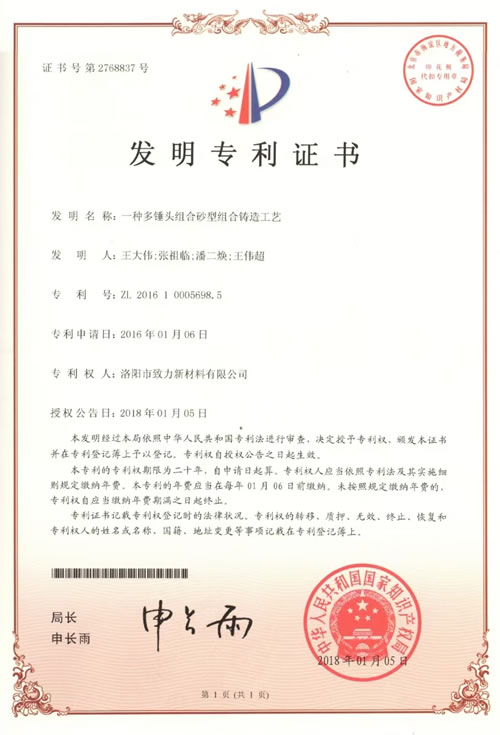
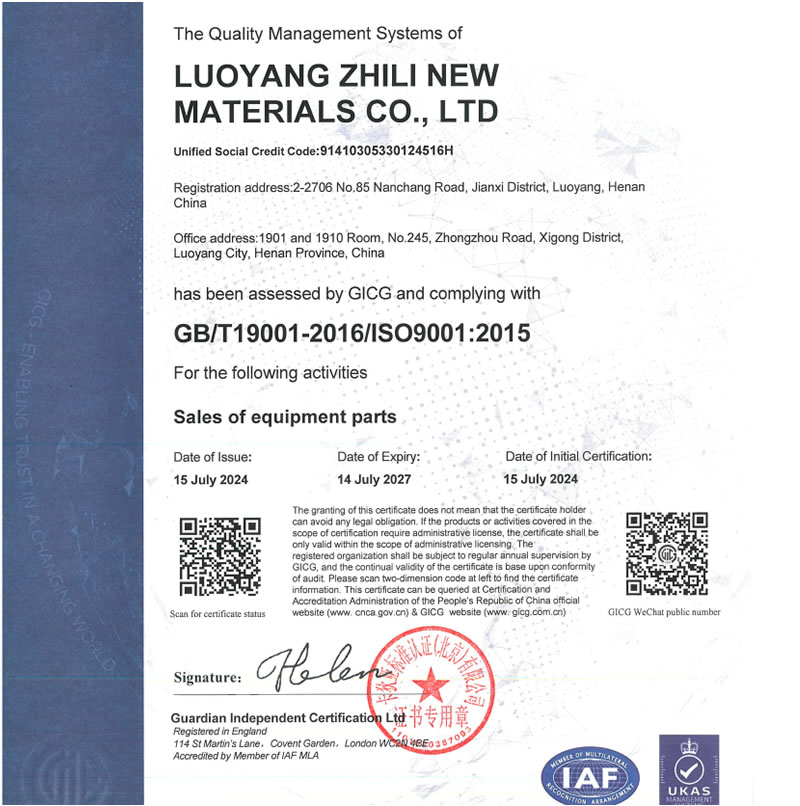
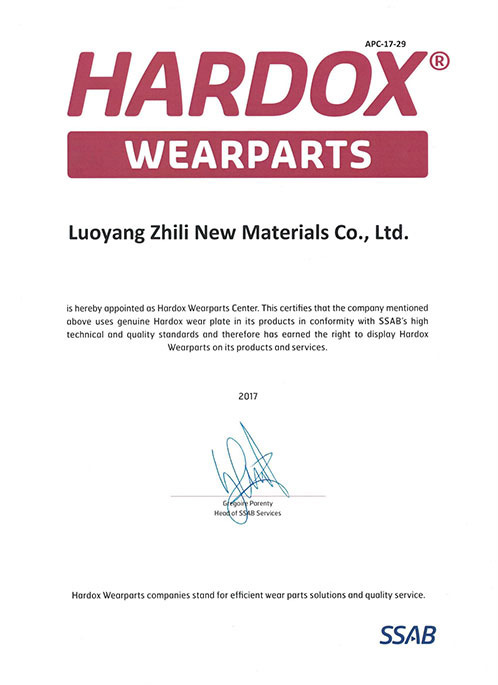
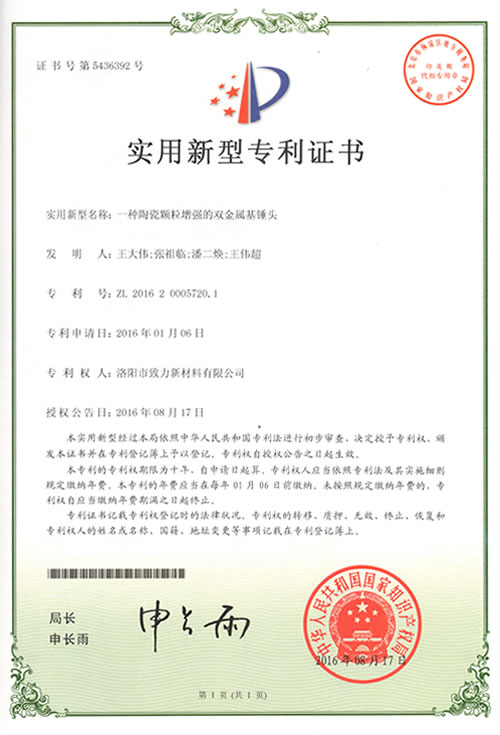
Certifications & Authorizations
Quality you can verify. Partners you can trust.
Custom OEM / ODM
From drawing to delivery — one-stop customization, no minimum order
Send Drawing
Upload your technical drawing (PDF, DWG, STEP, IGES) or share sample photos with dimensions
Engineering Review
Material recommendation, casting process design, DFM analysis — free quotation within 24 hours
Sampling & Test
Prototype production with full inspection: hardness test, spectrometer, dimensional check
Production & Ship
ISO 9001 certified. 15-25 days standard lead time. Global shipping with full documentation
Frequently Asked Questions
Rod mills and ball mills serve different purposes in a grinding circuit. The key difference is how the grinding media contacts the ore:
Rod mills are used for coarse grinding (typically first stage):
- Selective grinding: Rods grind along their entire length. Larger particles (closer to rod diameter) are broken first, while finer particles pass through with minimal over-grinding. This produces a narrower particle size distribution with fewer ultra-fines — critical for downstream processes like magnetic separation or flotation where over-grinding reduces recovery.
- Product uniformity: Rod mill discharge typically has a steep size distribution slope — 80% passing size is well-controlled. Ball mills produce wider distributions with more slimes.
- Typical circuit: Rod mill → Ball mill. The rod mill handles the coarse end (F80 = 10-25mm down to P80 = 0.5-2mm), the ball mill handles the fine end (P80 = 75-150µm).
When NOT to use a rod mill: If your target product size is below 150µm, a rod mill alone is insufficient. Rods cannot grind as fine as balls. Also, rod mills have a lower length-to-diameter ratio (typically 1.4-2.0), making them less suitable for circuits requiring high reduction ratios in a single stage.
Bottom line: Rod mill + ball mill combination provides the best overall grinding efficiency for coarse ores heading to flotation or magnetic separation. The rod mill protects the ball mill from oversize feed and reduces total grinding energy by 10-15% vs using ball mills alone.
Rod straightness is the #1 cause of rod mill downtime. When rods bend, they do not roll freely — they tangle and interlock, forming a locked charge that stops the mill. This requires 4-8 hours of manual rod removal to clear, plus liner inspection and damaged rod replacement.
Why rods bend:
- Uneven heat treatment: If the quenching process is not uniform along the full rod length, residual stresses cause the rod to bow over time under mill load.
- Poor metallurgy: Low-quality steel with inconsistent carbon content creates soft spots that deform under impact.
- Worn rods: As rods wear down (typically to 50-60% of original diameter), the reduced cross-section is less resistant to bending. This is when straightness becomes most critical.
ZHILI straightness quality control — 5-step process:
- 1. Raw material selection: Only electric arc furnace (EAF) steel billets with certified heat analysis. No re-rolled scrap steel — inconsistent chemistry is the root cause of bend-prone rods.
- 2. Controlled rolling: Hot rolling at precisely controlled temperature (1050-1150 C start, 850-900 C finish) with uniform reduction ratio across the billet cross-section.
- 3. Isothermal quenching: The full-length rod (up to 6m) enters the quench bath simultaneously — not progressively. Progressive quenching creates a thermal gradient along the rod length, which is the #1 cause of residual bow.
- 4. Post-heat-treatment straightening: Every single rod passes through a multi-roll straightening machine. ZHILI tolerance: B6 rods ≤ 0.8mm/m, alloy rods ≤ 1.5mm/m, carbon rods ≤ 2.5mm/m.
- 5. 100% inspection: Every rod is rolled on a flat inspection table under visual + laser measurement. No sampling — 100% of rods shipped are checked.
A single bent rod that tangles the charge costs $15,000-40,000 in downtime (4-8 hours of lost production at a typical 500 tph rod mill operation). Straightness is not a cosmetic quality — it’s the difference between reliable production and unplanned shutdown.
Rod selection involves three parameters that must be matched to your mill and ore:
Rod Diameter — the most important parameter:
- Rule of thumb: rod diameter = 1/20 to 1/40 of mill diameter. Example: a 3.6m diameter rod mill uses 90-180mm rods. In practice, most mills use 75-100mm rods because larger rods reduce the number of rods in the charge and create larger interstitial spaces (reducing grinding efficiency).
- Maximum rod diameter should be slightly smaller than the largest feed particle. If feed contains 25mm particles, use 80-100mm rods. If feed is 15mm maximum, 60-80mm rods are sufficient.
- Larger rods = higher impact force per rod but fewer rods in the charge. Smaller rods = more rods, more contact points, better grinding efficiency but lower individual impact.
Rod Length:
- Standard rule: rod length = mill internal length minus 100-150mm. This clearance is essential — rods that are exactly mill length will jam against the end liners during thermal expansion. Rods that are too short will tumble end-over-end instead of rolling parallel.
- Rod mills typically have a length-to-diameter ratio of 1.4-2.0 (shorter than ball mills). This limits rod length to 2.0-6.0m in standard designs.
Material Grade Selection — based on ore hardness (Bond Work Index):
Rod topping strategy: Unlike ball mills where you top up with the largest ball size only, rod mills use a different approach. The entire rod charge is typically replaced at once (rod “recharge”) rather than topped up individually. Rods wear down to about 50-60% of original diameter, at which point the charge is emptied and replaced with new rods of the original diameter. Recharge frequency: 6-18 months depending on ore abrasiveness. ZHILI provides free rod charge optimization based on your mill specifications, feed analysis, and Bond Work Index.
Related Products
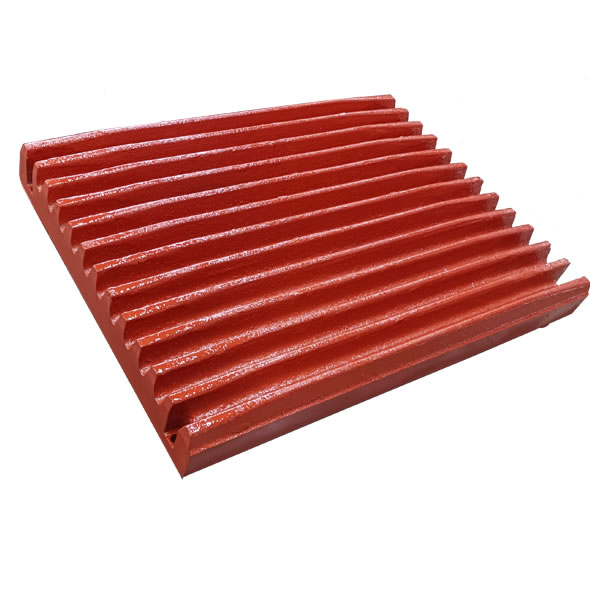
Jaw Plate
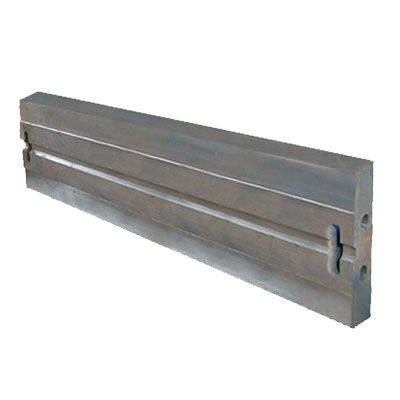
Blow Bar
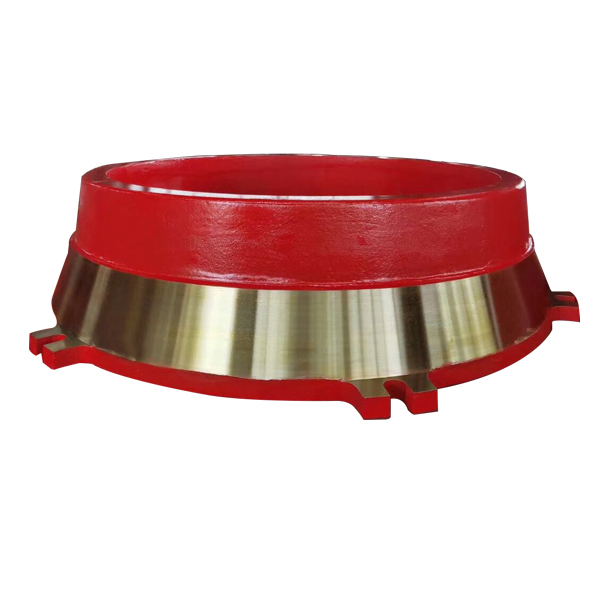
Mantle & Concave
Grate Bar
Contact Us
Get a quote within 24 hours. Send us your inquiry today.

+86 199 8785 7268
Mon-Sat 8AM-10PM CST Scan to chat — English, Spanish, Chinese Send photos of worn parts for instant quote

+86 199 8785 7268
Scan to follow — factory updates and quotes Chat in Chinese or English