

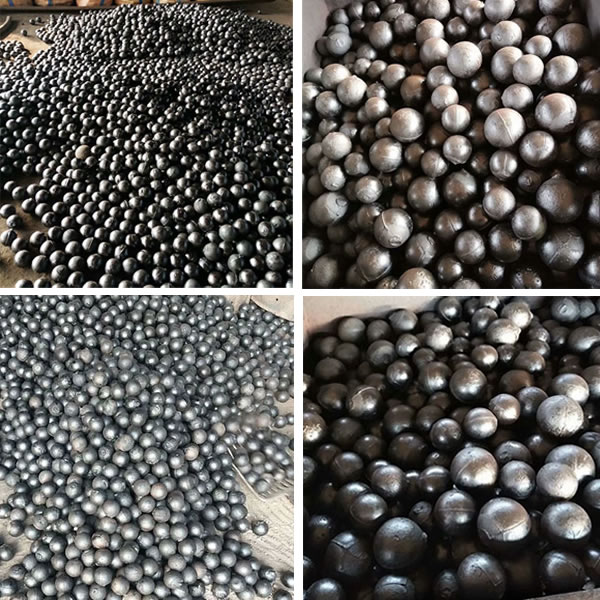
Grinding Media Balls For Ball Mill
Cast Grinding Balls & Forged Steel Balls for Ball Mill Grinding — High Chrome Cast Iron (Cr10 / Cr15 / Cr20 / Cr26 / Cr30) / Forged Steel (60Mn / 65Mn / B2 / B3 / B6) — For Cement / Mining / Power Plant
Grinding Media Balls For Ball Mill
Material Specifications & Selection Guide
| Grade | Material | Hardness | Cr% | Impact Value | Application |
|---|---|---|---|---|---|
| Low Cr Cast | Cr1-3% + C2.0-3.2% | 45-52 HRC | 1-3 | ≥2.0 J/cm2 | Coal, low abrasion minerals |
| Medium Cr Cast | Cr8-10% + C2.4-3.0% | 52-58 HRC | 8-10 | ≥2.5 J/cm2 | Cement raw meal, limestone |
| High Cr Cast | Cr16-20% + C2.2-2.8% | 58-64 HRC | 16-20 | ≥2.0 J/cm2 | Cement clinker, slag, coal |
| Super High Cr | Cr20-28% + C2.0-2.6% | 60-66 HRC | 20-28 | ≥1.8 J/cm2 | Silica abrasive, extreme wear |
| Cr-Ni Alloy | Cr15-18% + Ni2-4% | 58-65 HRC | 15-18 | ≥3.0 J/cm2 | High impact, ball mill liners |
| Grade | Material | Hardness | Surface Hardness | Core Hardness | Application |
|---|---|---|---|---|---|
| B2 Forged | 60Mn / B2 steel | 55-63 HRC | 58-63 HRC | 55-58 HRC | Gold, copper ore, mining |
| B3 Forged | B3 alloy steel | 58-65 HRC | 60-65 HRC | 58-60 HRC | Iron ore, hard rock mining |
| B4 Forged | B4 high alloy | 60-67 HRC | 62-67 HRC | 60-63 HRC | Severe abrasion, SAG mills |
| 65Mn Forged | 65Mn spring steel | 50-58 HRC | 52-58 HRC | 50-55 HRC | Cement, moderate duty |
| 75MnCr Forged | 75MnCr alloy | 56-64 HRC | 58-64 HRC | 56-60 HRC | Copper, lead-zinc ore |
| Mill Type | Mill Dia. (m) | Ball Size (mm) | Ball Charge (%) | Rec. Grade | Consumption (g/t) |
|---|---|---|---|---|---|
| Cement Ball Mill (Coarse) | 2.4-3.8 | 60-90 | 30-35 | High Cr Cast | 30-50 |
| Cement Ball Mill (Fine) | 3.0-4.6 | 20-50 | 35-40 | High Cr Cast | 25-40 |
| Raw Meal Mill | 3.5-5.0 | 30-70 | 28-32 | Med/High Cr Cast | 35-55 |
| Coal Mill | 2.2-3.8 | 25-50 | 25-30 | Low/Med Cr Cast | 50-80 |
| SAG Mill (Primary) | 7.0-12.2 | 100-150 | 12-15 | B2/B3 Forged | 600-900 |
| Ball Mill (Gold Ore) | 3.0-5.5 | 40-80 | 35-45 | B2/B3 Forged | 450-700 |
| Ball Mill (Iron Ore) | 3.6-6.5 | 25-60 | 35-42 | B3/B4 Forged | 400-600 |
| Copper Ore Mill | 4.0-7.0 | 30-70 | 32-38 | B2/B3 Forged | 500-750 |
Selection Quick Reference
- Cement clinker grinding (fine grinding, high chrome required): High Cr cast balls (Cr16-20%, 58-64 HRC) — superior wear resistance for cement finish grinding, ball size 20-50 mm in second compartment, consumption 25-40 g/t cement
- Cement raw meal / limestone (moderate abrasion): Medium Cr cast balls (Cr8-10%, 52-58 HRC) — balanced cost and performance for raw material grinding, ball size 30-70 mm
- Coal grinding (lower hardness, cost-sensitive): Low Cr cast balls (Cr1-3%, 45-52 HRC) — economical choice for coal pulverization, ball size 25-50 mm, higher consumption acceptable
- Gold / copper ore grinding (impact + abrasion): B2/B3 forged balls (55-65 HRC) — high toughness withstands severe impact from coarse feed, surface hardness gradient optimizes wear profile
- Iron ore / hard rock mining (maximum wear): B3/B4 forged balls (58-67 HRC) — highest hardness forged balls for extreme abrasion, through-hardened structure ensures consistent performance
- SAG mill primary grinding (severe impact): Large forged balls (100-150 mm, B2/B3) — withstands direct impact from 150+ mm feed ore, high impact toughness prevents catastrophic failure
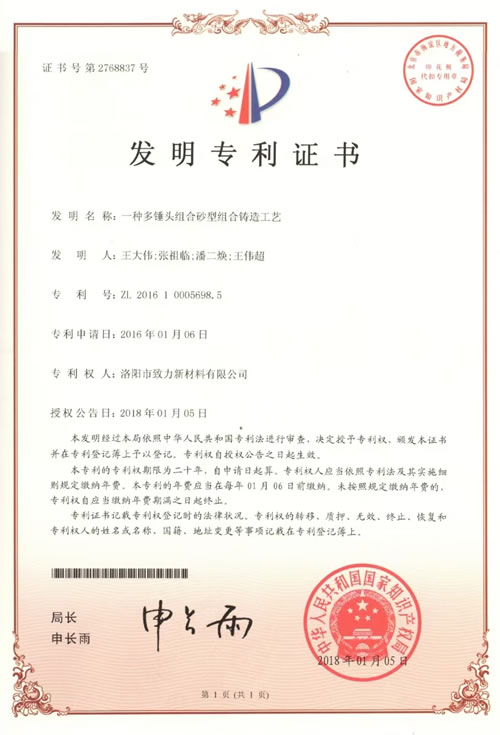
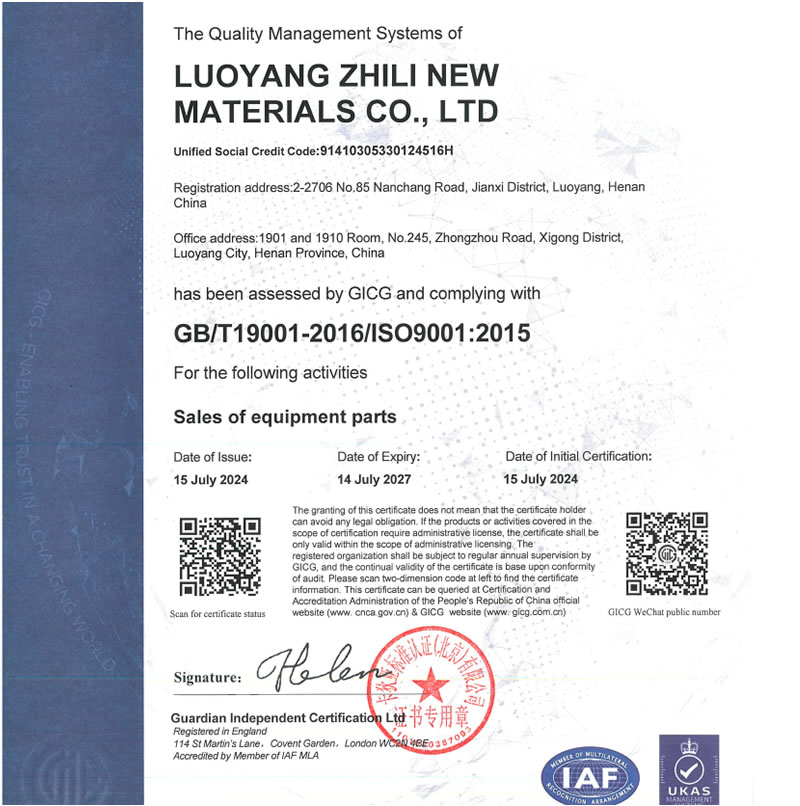
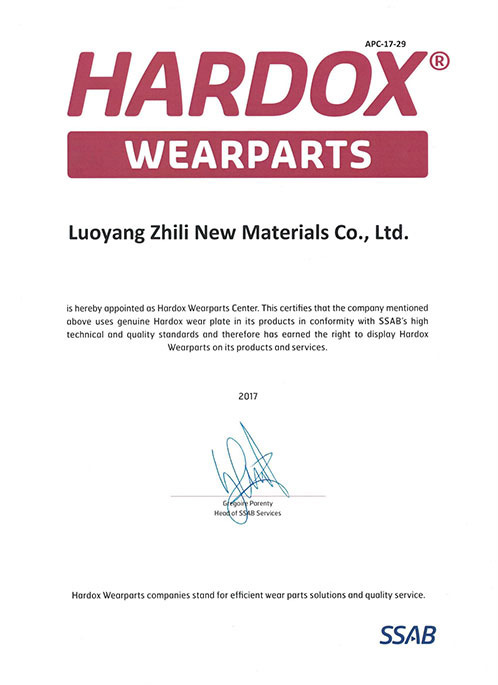
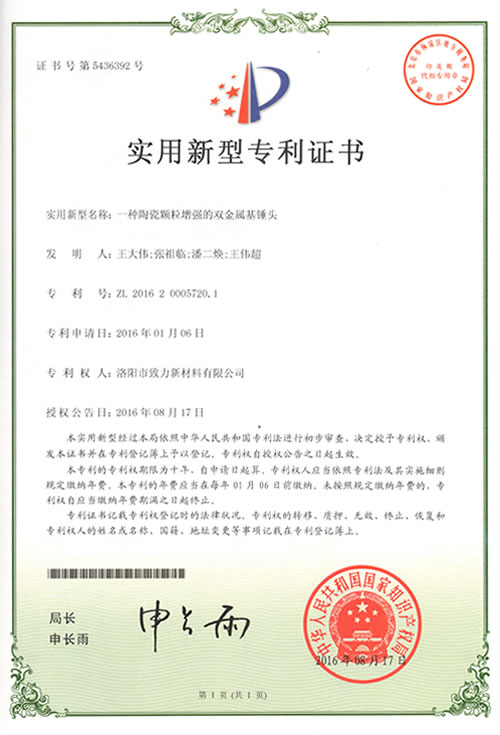
Certifications & Authorizations
Quality you can verify. Partners you can trust.
Custom OEM / ODM
From drawing to delivery — one-stop customization, no minimum order
Send Drawing
Upload your technical drawing (PDF, DWG, STEP, IGES) or share sample photos with dimensions
Engineering Review
Material recommendation, casting process design, DFM analysis — free quotation within 24 hours
Sampling & Test
Prototype production with full inspection: hardness test, spectrometer, dimensional check
Production & Ship
ISO 9001 certified. 15-25 days standard lead time. Global shipping with full documentation
Frequently Asked Questions
The choice comes down to impact vs. abrasion — which wear mechanism dominates in your mill:
High Chrome Cast Balls (Cr15-Cr26):
- Advantage — wear resistance: High chromium content (15-28%) forms hard M7C3 carbides that resist abrasive wear. In cement mills grinding clinker, Cr26 balls consume 15-25 g/ton vs 350-500 g/ton for forged balls in mining — cement grinding is abrasion-dominated, not impact.
- Limitation — low toughness: Impact toughness is only 4-8 J/cm2. In a SAG mill with 100-150mm balls dropping from 5-8 meters, cast balls will break. Broken ball fragments jam discharge grates and damage liners.
- Cost advantage: 20-30% cheaper than equivalent forged steel balls due to simpler manufacturing (casting vs forging + heat treatment).
Forged Steel Balls (B2/B3/B6):
- Advantage — impact toughness: 12-30 J/cm2, 3-6x higher than cast balls. Essential for SAG mills and any mill where ball diameter exceeds 80mm and drop height exceeds 3 meters.
- Uniform hardness: Forged balls achieve consistent hardness from surface to core (volumetric hardness HRC 52-63), whereas cast balls show a 5-13 HRC hardness drop from surface to center. Forged balls wear evenly into smaller round balls; cast balls can wear unevenly into non-spherical shapes.
- ZHILI B6 advantage: Proprietary chemistry pushes both hardness and toughness to the limit — HRC 60-65 surface, HRC 55-60 core, 18-30 J/cm2 toughness. This closes the gap between forged and cast on wear rate while maintaining SAG mill safety.
Simple rule: Cement mill (ball <90mm, drop <3m) = cast high Cr. Mining SAG/primary ball (ball >90mm, drop >5m) = forged. Fine grinding secondary ball (ball <60mm, drop <3m) = either works, cast is cheaper.
Ball size and charge grading (the mix of different diameters) are process-critical decisions — wrong sizing can reduce grinding efficiency by 15-25%. Here is the framework:
Step 1: Maximum Ball Diameter (Bond Formula):
B = 25.4 x (F80 / K)0.5 x (SG x Wi / (%Cs x D0.5))0.34
F80 = 80% passing feed size (mm) | Wi = Bond Work Index (kWh/ton) | SG = ore specific gravity | D = mill diameter (m)
In practice, most operations use these empirical ranges:
Step 2: Charge Grading (Ball Size Distribution):
Single-size ball charge is never optimal — you need a graded mix. A standard 3-size grading for a cement mill 1st compartment:
- 30% large balls (80-90mm) — break the largest feed particles
- 40% medium balls (60-70mm) — intermediate grinding, highest volume
- 30% small balls (40-50mm) — fine grinding, fill gaps between large balls
For 2nd compartment: 25% 30mm + 35% 25mm + 25% 20mm + 15% 15mm is a common start point, adjusted based on Blaine target.
Step 3: Top-Up Strategy (Daily Addition):
You only need to top up the largest ball size in each compartment — as balls wear down, they naturally progress through the size gradation. Typical top-up rates: cement mill 30-50 g/ton of clinker, mining mill 250-500 g/ton of ore. ZHILI provides free ball charge calculation and grading optimization based on your mill specifications and feed analysis.
Grinding ball quality is measured by four parameters — cheap balls that fail any one of them will cost you far more in lost production than the purchase price difference:
1. Hardness Gradient (Surface to Core, HRC):
- Cut a ball in half, test hardness at surface, 1/4 radius, 1/2 radius (center). A quality ball has a gradient of 5-10 HRC difference. If surface is HRC 60 and core is HRC 35, the ball will wear into a hollow shell and break.
- ZHILI spec: Cast Cr26: surface 58-65, core 48-55 (gradient max 13 HRC). Forged B6: surface 60-65, core 55-60 (gradient max 7 HRC).
2. Drop Ball Impact Test (Fatigue Life):
- Drop a ball from 3.5-6 meters onto a hardened steel plate. Count drops until failure (crack or break). This simulates repeated mill impacts over weeks of operation compressed into hours of testing.
- Industry minimum: Cast balls >8,000 drops, forged balls >12,000 drops. ZHILI B6 exceeds 20,000 drops — a single inferior ball that breaks can jam the discharge grate and cause 4-8 hours of unplanned downtime.
3. Wear Rate (g/ton ground):
- Run balls in a laboratory ball mill for 100 hours with standard feed. Measure weight loss. Wear rate = grams of ball consumed per ton of material ground. This is the single most important commercial metric — it directly determines your annual ball consumption cost.
- Even a 5 g/ton difference in a 2 million tpy cement mill = 10 tons more balls/year = $12,000-18,000/year additional cost.
4. Breakage Rate (%):
- Percentage of balls that break (not just wear) during operation. Broken balls are dangerous: they block grates, damage liners, and the fragments are unrecoverable. Industry maximum: cast <1%, forged <0.5%. ZHILI B6: <0.3%.
ZHILI Quality Package: Every shipment includes chemical analysis certificate, hardness test report (surface + cross-section), drop ball test report, metallographic photos, and dimensional tolerance report (diameter within +/- 2mm, sphericity <1%). Third-party inspection (SGS/Bureau Veritas) available upon request. We encourage customers to send samples to independent labs — we stand behind every ton we ship.
Related Products
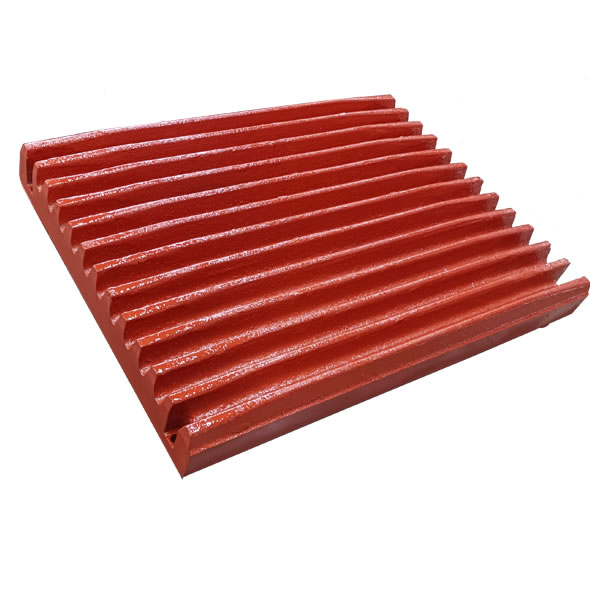
Jaw Plate
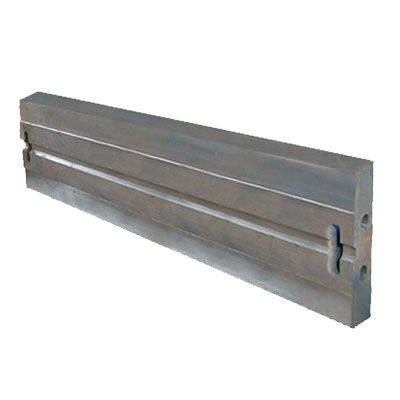
Blow Bar
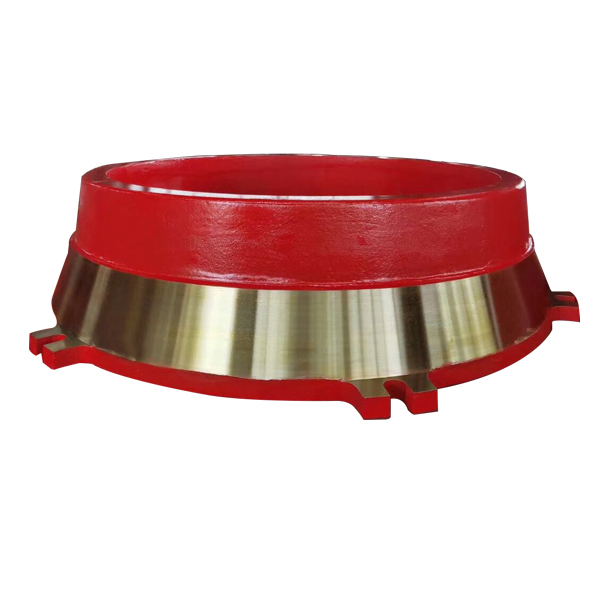
Mantle & Concave
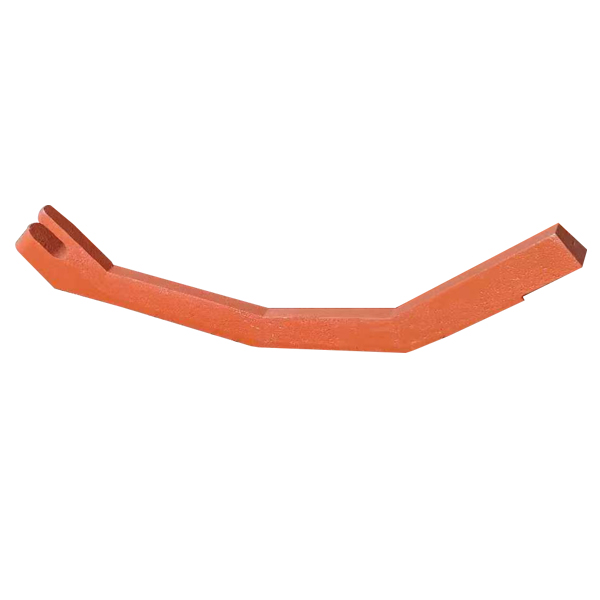
Grate Bar
Contact Us
Get a quote within 24 hours. Send us your inquiry today.

+86 199 8785 7268
Mon-Sat 8AM-10PM CST Scan to chat — English, Spanish, Chinese Send photos of worn parts for instant quote

+86 199 8785 7268
Scan to follow — factory updates and quotes Chat in Chinese or English